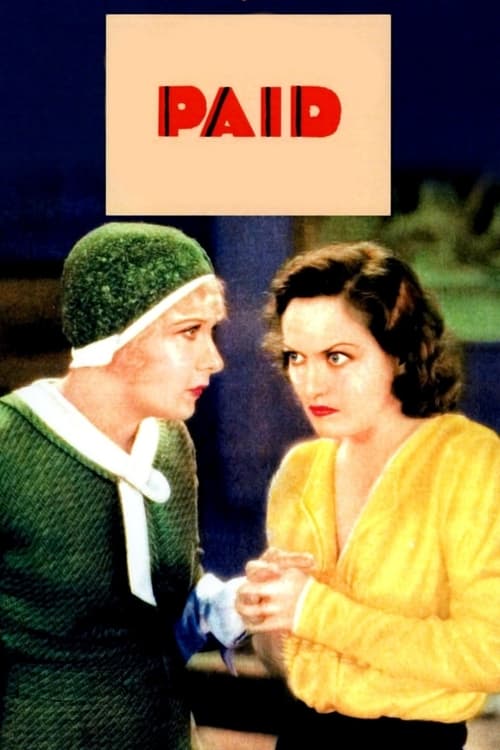
Paid
1930
No user ratings available yet
Diversity score: 2.5 out of 10
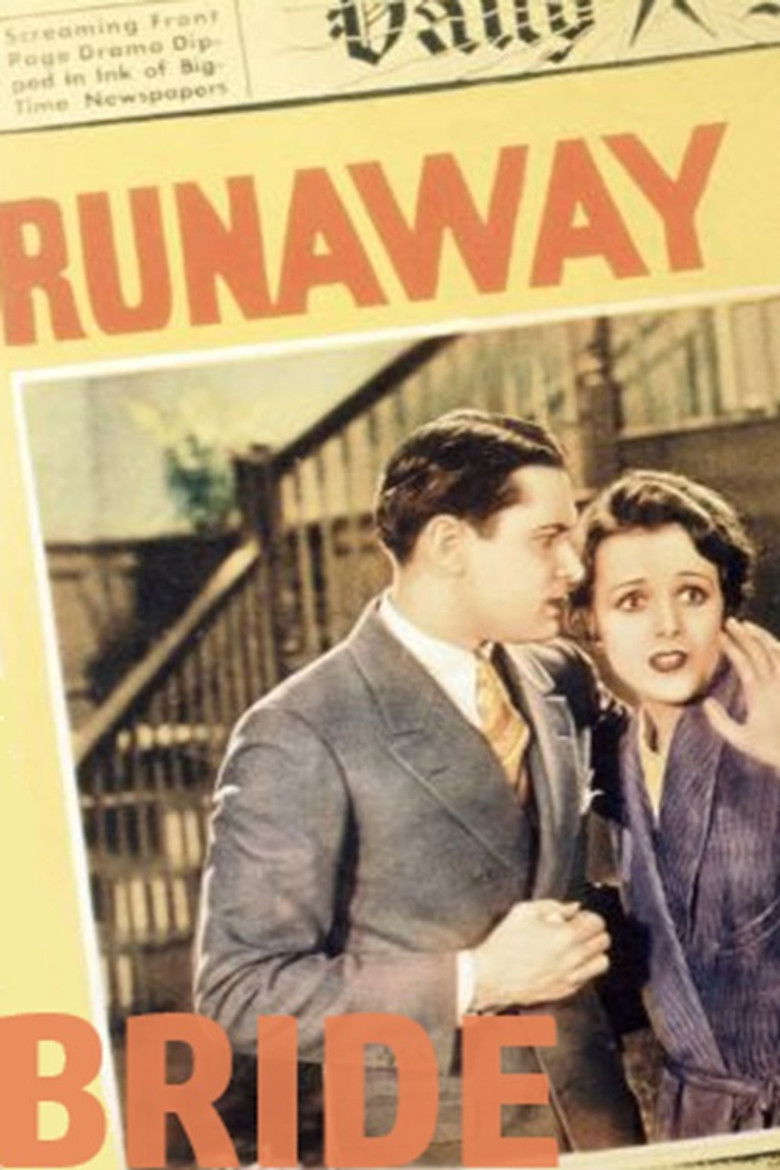
1930
PassedDirector
Donald Crisp
Runtime
69 minutes
Average Rating
No ratings yetSynopsis
Mary Gray elopes to Atlantic City, NJ, but begins having second thoughts about the marriage. Then she becomes inexplicably locked in her hotel room, and a series of cops, robbers and kidnappers passes through. Desperate, Mary trusts the shifty chambermaid Clara who whisks her away to the mansion of wealthy George Blaine. There, Mary must pretend to be a lowly cook, but that seems better than sticking with the guy she was engaged to.
Overall Score
Limited
Category Breakdown
LGBTQ+ Representation
The film lacks any depiction of non-heteronormative identities. The narrative focuses entirely on traditional romantic and marital structures.
Gender Representation
Mary Gray demonstrates agency by challenging traditional marriage expectations and subverting passive female roles. However, her story remains centered on her relationships with men.
Racial & Ethnic Diversity
The setting and character archetypes suggest a homogeneous social structure. There is no evidence of intersectional casting or the disruption of Anglo-centric norms.
Religious & Cultural Diversity
The story explores class dynamics and the fluidity of social status through Mary's disguise. It lacks explicit secularist or anti-capitalist frameworks.
Disability Representation
There is no documented evidence of characters with visible or invisible disabilities. The plot does not include neurodivergent representation.
Strengths
Areas for Improvement
AI Analysis
The film serves as a character study of female autonomy within a rigid 1930s social framework. While the protagonist actively pursues agency by rejecting a predetermined domestic path, the narrative lacks intersectional complexity. The story adheres to standard social hierarchies of the era. It focuses on individual choices and class mobility rather than a systemic critique of institutional power dynamics.
1930
1930
1938
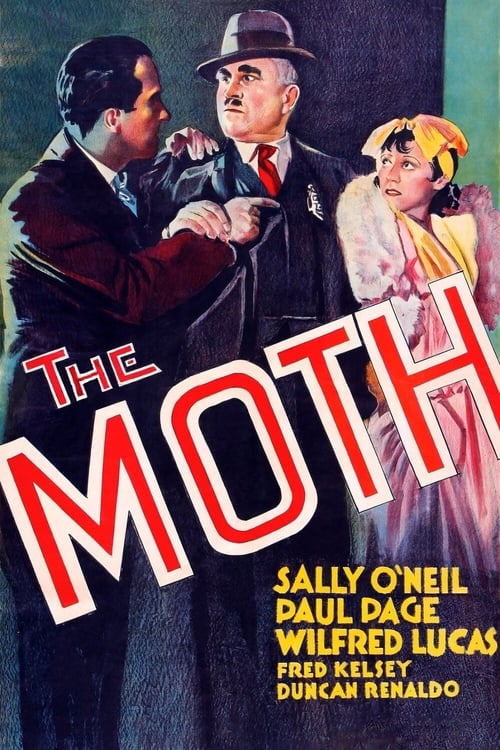
1934
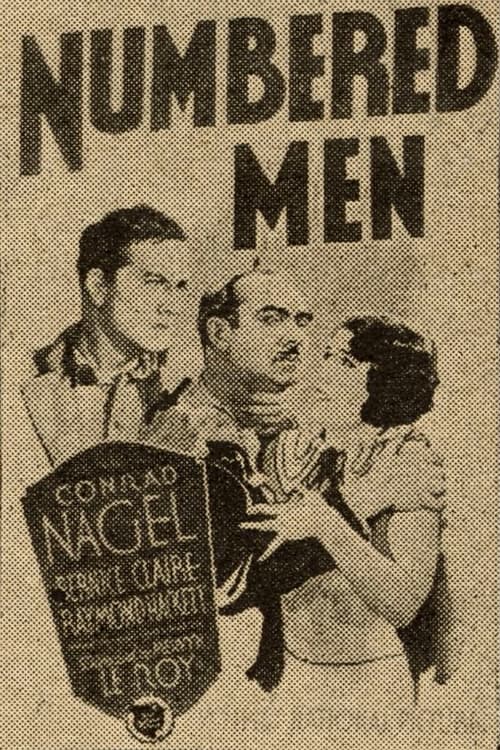
1930
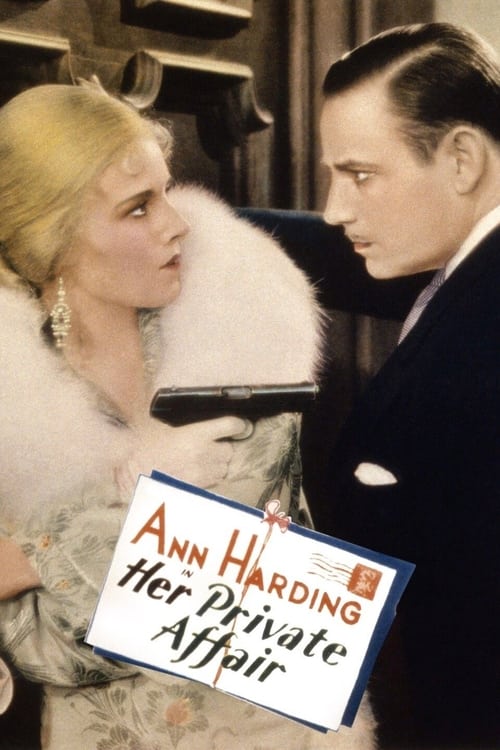
1929
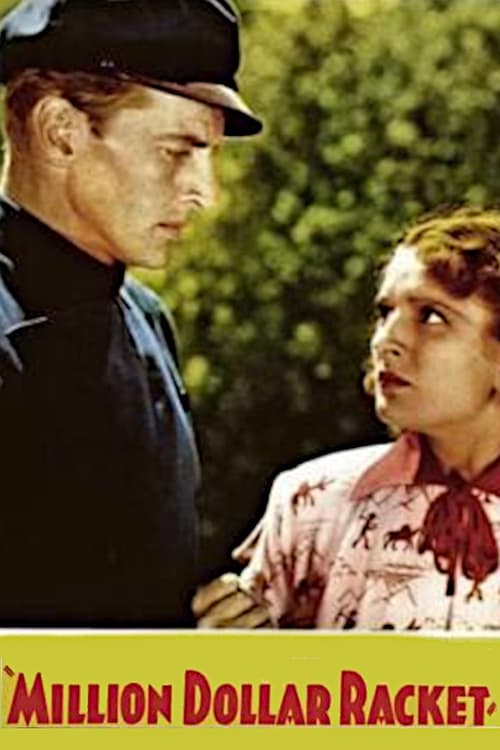
1937

1931
1932
1932

1932

1950
No reviews yet. Be the first to share your thoughts on this movie!
Use the rating form above to leave a star rating and optional review.