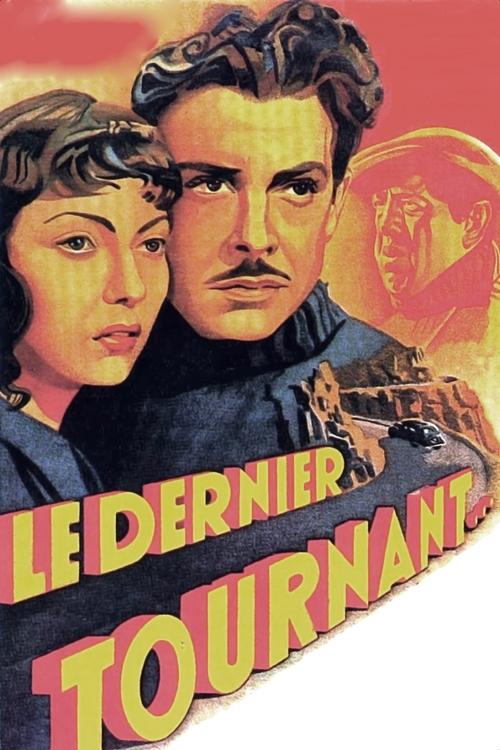
The Last Turning
1939
No user ratings available yet
Representation score: 3.9 out of 10

Representation Score
Minimal
1932
PassedDirector
Edward Buzzell
Runtime
68 minutes
Average Rating
No ratings yetNew Showbiz Analysis
Virtue is a Pre-Code film that offers a degree of social realism, challenging the rigid moralism typical of later decades. Its primary strength lies in its empathetic portrayal of female characters navigating social stigma. However, the film remains deeply rooted in the demographics of its time. It lacks diversity in racial representation and does not include any LGBTQ+ identities or themes. It also does not address disability or neurodivergence.
Category Breakdown
The film does not include any LGBTQ+ characters or themes. It focuses solely on the heterosexual relationships and social structures of the early 1930s.
The story provides a detailed look at a woman's experience with unplanned pregnancy and societal stigma. It highlights the protagonist's emotional journey and her significant role in driving the narrative.
The cast appears uniform, reflecting the typical makeup of early 1930s studio productions. There is no indication of diverse racial representation or challenging Anglo-Saxon norms.
As a Pre-Code film, it avoids heavy-handed Christian morality. Instead, it explores the tension between individual choice and the established social institutions of the time.
There is no evidence of characters with visible or invisible disabilities. The film does not address neurodivergence or physical impairments.
Present on Screen
Limited or Absent
Official Synopsis
A relationship gradually develops between a savvy New York City street girl and a good-hearted cab driver, but other matters keep getting in their way, including financial problems and a murder.
1939

1952
1930
1931
1931
1927

1940
1919
No reviews yet. Be the first to share your thoughts on this movie!
Use the rating form above to leave a star rating and optional review.