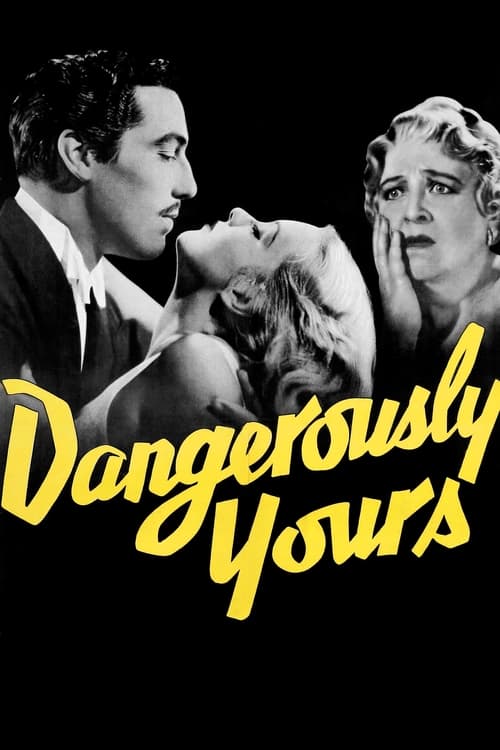
Dangerously Yours
1937
No user ratings available yet
Representation score: 2.5 out of 10
Representation Score
Limited
1934
PassedDirector
Fred C. Newmeyer
Runtime
64 minutes
Average Rating
No ratings yetNew Showbiz Analysis
The film is a typical 1930s crime drama, reflecting the era's social hierarchy. While it offers more ability to act to female characters compared to similar films of the time, it remains confined to its era's norms. The narrative lacks diversity, focusing solely on a homogeneous upper-class setting. It does not explore multi-layered themes or offer a broader critique of societal structures. Overall, the film adheres to conventional crime genre clichés, using female camaraderie for plot progression without delving into identity exploration.
Category Breakdown
The film does not explicitly depict non-straight relationships. Two women form a bond to avoid detection, but this bond serves as a survival tactic rather than exploring their relationship.
Female characters show significant influence, with Diane Wyman outsmarting surveillance and The Moth being a notorious criminal. However, a controlling male figure still dominates the narrative.
The story focuses on a homogeneous upper-class setting. There are no non-white characters or racial diversity in the high-society and travel scenes.
The film follows typical crime genre standards. It focuses on individual scandals and theft without critiquing broader societal or institutional issues.
There is no information about characters with visible or invisible disabilities in this production.
Present on Screen
Limited or Absent
Official Synopsis
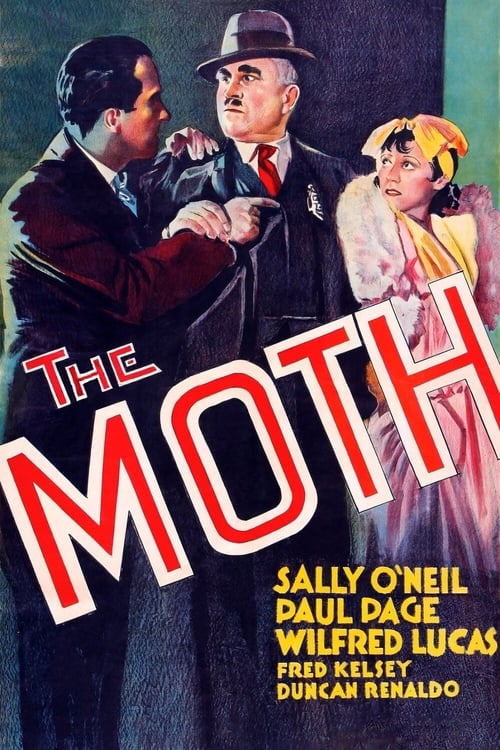
Wealthy young socialite Diane Wyman squanders her fortune and becomes involved in a scandalous raid at a wild party. Her legal guardian, a lecherous old man who has the hots for her, hires a private detective to spy on her. He tails her to a train headed for New Orleans, but she catches on to him. She befriends a young woman aboard the train and they both give the private eye the slip. What Diane doesn't know, however, is that that her newfound friend is actually a notorious criminal known as The Moth, and she has her own reasons for helping Diane escape--she, too, is being tailed by a detective, who's after a cache of jewels she's stolen.
1937

1937
1932
1937
1948

1931
1925
1940
No reviews yet. Be the first to share your thoughts on this movie!
Use the rating form above to leave a star rating and optional review.