The Tokyo Night Sky Is Always the Densest Shade of Blue
2017
No user ratings available yet
Representation score: 7.2 out of 10
Representation Score
Good
2005
Director
Akira Ogata
Runtime
127 minutes
Average Rating
No ratings yetNew Showbiz Analysis
The film succeeds as a character study, particularly in its subversion of gendered expectations by centering on a single woman's labor and internal life. It avoids typical domestic clichés to find depth in mid-life solitude. However, the work remains culturally homogeneous and lacks explicit representation of diverse identities. While it touches on vulnerability through illness, these elements often serve the broader narrative arc rather than exploring specific ability to act. Ultimately, the film is a quiet, contemplative drama that prioritizes individual emotional landscapes over systemic socio-political critique or broad storytelling that reflects multiple aspects of identity.
Category Breakdown
The film explores unrequited longing and suppressed desire through Minako's secret affection for Keita. Though it doesn't explicitly depict queer identities, it uses subtext to examine emotional isolation.
Minako provides a nuanced portrayal of a woman's ability to drive the story through her labor and solitude. The film centers a single woman's complex life outside of traditional maternal or marital roles.
This is a localized, culturally specific Japanese drama. It functions within a homogeneous framework and does not feature a multi-ethnic cast or diverse racial identities.
The narrative examines the fragility of ordinary existence and systemic isolation. It prioritizes subjective emotional truths over singular moral certainties within a modern social structure.
Terminal illness is introduced through Yoko, providing a lens into caregiving and vulnerability. However, the illness may serve primarily as a catalyst for the male protagonist's turmoil.
Present on Screen
Limited or Absent
Official Synopsis
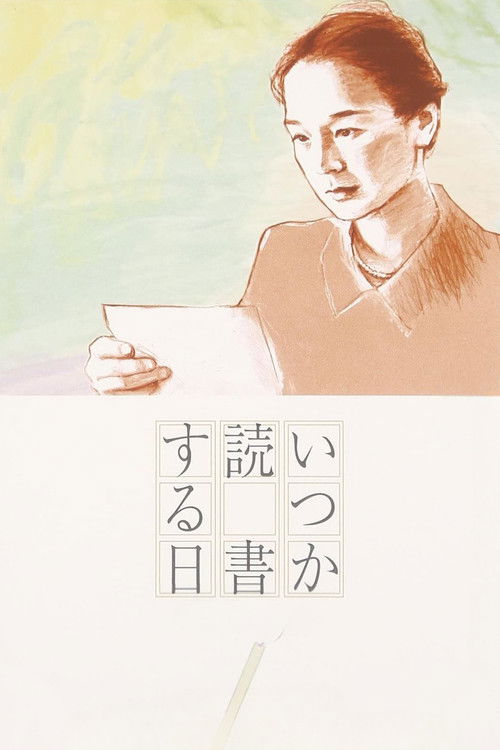
Minako (TANAKA Yuko), begins her day running up and down the hills of her hometown delivering milk door to door. When that's done, she heads to her day job as a supermarket cashier. Minako is 50 and single. In one of the houses to which she delivers milk is a man with whom she has secretly been in love since high school. The man, Keita (KISHIBE Ittoku), lives with his wife Yoko, who is terminally ill. Caring for her at home, he works in the children's affairs section of the local municipal office. Though he insists that he wants nothing more than an "ordinary" existence, his life is in turmoil below the surface. The director uses a variety of narrative devises to portray the loneliness, isolation, and hope of these people who have seemingly allowed their goals and dreams to slip away, whilst keeping them agonizingly close to hand.
2017

1995
2002
1970
2006

1997
1998

2008
No reviews yet. Be the first to share your thoughts on this movie!
Use the rating form above to leave a star rating and optional review.