Rose
2021
No user ratings available yet
Representation score: 7.8 out of 10
Representation Score
Good
2007
Director
Junji Sakamoto
Runtime
125 minutes
Average Rating
No ratings yetNew Showbiz Analysis
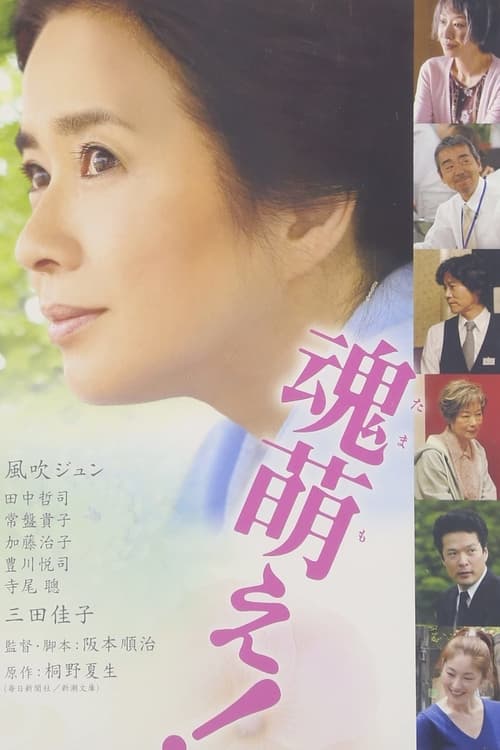
Awakening is a character-driven drama that finds its most significant impact in its treatment of gender. By centering on a 60-year-old woman navigating a post-marital identity, the film moves beyond traditional domestic clichés to highlight female empowerment and intellectual autonomy. However, the film remains a culturally specific and traditional narrative. It operates within a homogeneous Japanese context and does not actively engage with broader representations of diverse identities, LGBTQ+ characters, or disability inclusion. Ultimately, while the film succeeds in deconstructing marital stability and exploring personal reconstruction, it lacks the breadth of representation needed to address systemic or diverse identity politics.
Category Breakdown
The story centers on Toshiko's personal upheaval following her husband's death. There are no explicit LGBTQ+ characters or non-cisgender identities in the central plot.
The film empowers its female protagonist by focusing on her role and self-reinvention at age 60. It challenges stereotypes of elderly women by giving her emotional independence.
As a Japanese production, the film features a homogeneous cast reflecting its cultural setting. It lacks intentional casting to challenge traditional demographic norms.
The narrative explores moral relativism as the protagonist reconciles her views on marriage with her husband's deception. It does not engage with radical political ideologies or Western institutional critiques.
The film focuses strictly on the psychological and social evolution of the protagonist. There is no evidence of characters with physical or neurodivergent disabilities.
Present on Screen
Limited or Absent
Official Synopsis
After the unexpected death of her husband a new life begins for Toshiko. 30 years of a happy marriage seem to suddenly vanish as she finds out that her husband had lived a double life. Struggling between her anger and the chance to begin a new chapter for herself, she finds her life moving into unchartered waters as she faces her 60th birthday.
2021

1962
2013

1983
2016
2021
2008

2011
No reviews yet. Be the first to share your thoughts on this movie!
Use the rating form above to leave a star rating and optional review.