
The Child Woman
1980
No user ratings available yet
Representation score: 6.9 out of 10
Representation Score
Good
1984
Director
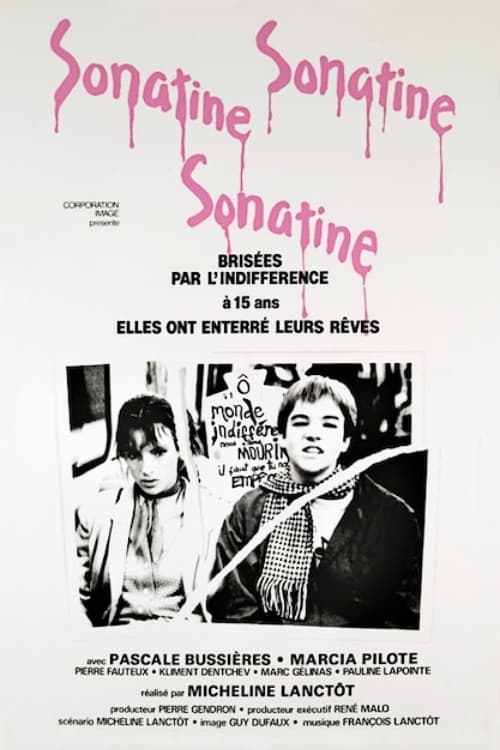
Micheline Lanctôt
Runtime
91 minutes
Average Rating
No ratings yetNew Showbiz Analysis
Micheline Lanctôt’s film is a powerful example of feminist cinema that centers female experiences and psychological complexity. By focusing on female distress as the main narrative driver, it disrupts traditional male-centric storytelling. However, the film’s reach is constrained by a lack of LGBTQ+ and racial diversity. The predominantly white and middle-class cast limits broader representation. While the film excels in its exploration of female identity, it falls short in providing diverse perspectives.
Category Breakdown
The film explores strong emotional connections between young girls but does not show same-sex romance or non-straight identities.
The movie breaks away from typical gender stereotypes by focusing entirely on the experiences of female characters. It emphasizes the internal lives and roles of its female leads instead of male-driven narratives.
The cast is mostly white and middle-class, set in Montreal. There is no indication of significant racial diversity or varied casting.
The film questions idealized youth by delving into existential dilemmas. It offers a complex, secular, and psychologically focused look at morality.
The story addresses mental health issues and suicidal thoughts. It portrays these struggles with narrative depth but remains primarily a psychological drama.
Present on Screen
Limited or Absent
Official Synopsis
Two teenaged friends have separate difficult experiences that make the girls seriously consider suicide.
1980
1977

2004

1995

2007
1987
1973

2000
No reviews yet. Be the first to share your thoughts on this movie!
Use the rating form above to leave a star rating and optional review.