
The Hunter
2011
No user ratings available yet
Representation score: 7.2 out of 10
Representation Score
Fair
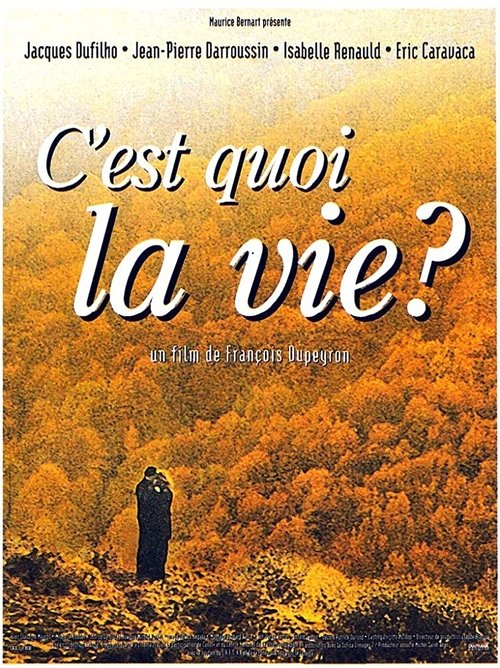
1999
Director
François Dupeyron
Runtime
115 minutes
Average Rating
No ratings yetNew Showbiz Analysis
The film offers a naturalistic study of systemic failure within a traditional framework. It deconstructs the myth of rural stability rather than disrupting social hierarchies through identity politics. While it provides a nuanced look at the collapse of the agrarian lifestyle, it remains limited in its breadth of human experience. The focus is tightly bound to a homogeneous, patriarchal family structure. Ultimately, the work finds its depth in the vulnerability of the family unit to external economic and biological forces, rather than in diverse social representation.
Category Breakdown
There are no explicit LGBTQ+ characters or narratives addressing non-straight relationships in the film.
The story centers around a patriarchal family, but Marc's wife gains independence by working in the service sector to support the family.
The film is set in a rural French farming community and focuses on a homogeneous family unit, emphasizing a traditional European identity.
It critiques the agrarian lifestyle by highlighting how systemic issues like Mad Cow Disease destabilize traditional ways of life without romanticizing the pastoral ideal.
The film explores mental health through acute psychological crises and the decline of the elderly, focusing on a tragic arc rather than neurodivergence or specific disability experiences.
Present on Screen
Limited or Absent
Official Synopsis
In this drama, three generations of the same family work together on a farm in rural France. Elderly Noel takes pride in having worked this land nearly all his life. His son Marc now carries most of the responsibilities of the farm (as well as the debts), and he's starting to buckle under the strain. And Marc's son Nicolas hasn't decided what to do with his life; he has little interest in farming, but he isn't sure where his real talents lie. One day, after helping his cows give birth to new calves, Marc gets word that he must destroy all his cattle to prevent the spread of Mad Cow Disease. This proves the last straw for Marc, and he commits suicide. Noel doesn't handle his son's death well and ends up in a retirement home, while Marc's wife gets a job as a cashier and Nicolas looks for work (with little success) while searching for a beautiful and mysterious woman to whom he gave a ride.
2011
1978
2021

1995
1996
2008
1996

1991
No reviews yet. Be the first to share your thoughts on this movie!
Use the rating form above to leave a star rating and optional review.