
Yoko
2023
No user ratings available yet
Representation score: 4.5 out of 10
Representation Score
Good
2025
Director
Yoji Yamada
Runtime
103 minutes
Average Rating
No ratings yetNew Showbiz Analysis
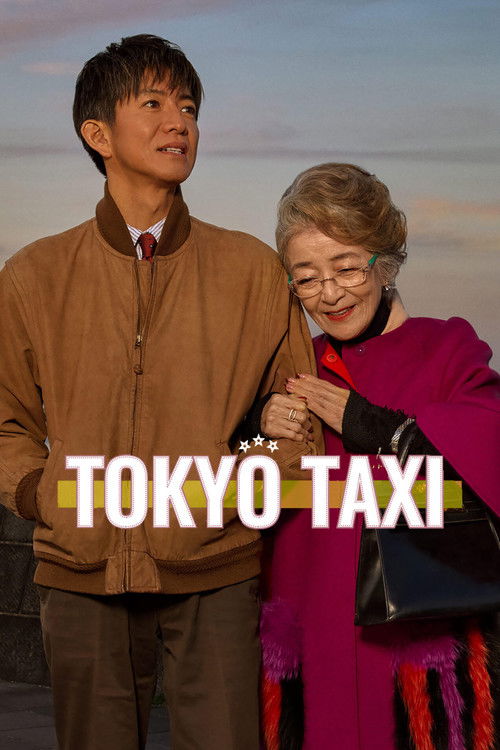
Tokyo Taxi is a humanist drama centered around the ability to act of an elderly woman. By positioning Sumire Takano as the architect of her own story, the film challenges common stereotypes that portray the elderly as passive subjects. The film’s strength lies in its character-driven exploration of aging and memory. It uses the physical journey from Shibamata to Hayama to delve into the tension between personal history and modern societal changes. However, the film operates within a traditional, localized demographic. It lacks explicit representation of LGBTQ+ identities and focuses primarily on a homogeneous Japanese social setting.
Category Breakdown
The film focuses on a generational dialogue between an elderly woman and a taxi driver. There are no explicit mentions of LGBTQ+ identities or characters who challenge traditional gender roles.
Sumire Takano, an 85-year-old woman, drives the narrative forward. She plays a significant role in shaping the journey through her requests for detours.
The film is set in a localized, domestic Japanese environment. Although Lee Jun-young's presence introduces some East Asian diversity, the overall social context remains homogeneous.
The story explores the tension between historical traditions and modern structures. It transitions from the traditional Shibamata area to a contemporary senior care facility, reflecting on aging and memory.
The film addresses the realities of aging through its elderly protagonist. It portrays the vulnerabilities associated with advanced age with ability to act rather than as a mere plot device.
Present on Screen
Limited or Absent
Official Synopsis
One day, taxi driver Koji Usami is tasked with driving 85-year-old Sumire Takano from Shibamata, Tokyo to a senior care facility in Hayama, Kanagawa. Sumire asks Koji to make some detours. Gradually opening up to her, Sumire begins to tell the story of her grand past...
2023

1962

2021
1961

2023
1998
2015
2013
No reviews yet. Be the first to share your thoughts on this movie!
Use the rating form above to leave a star rating and optional review.