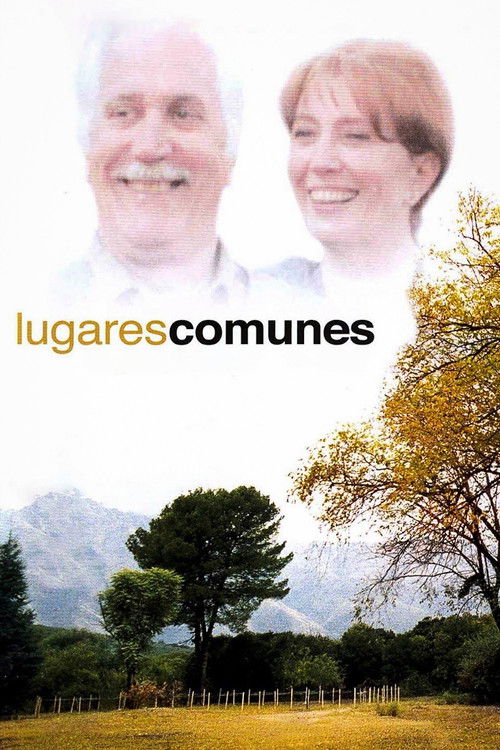
Common Ground
2002
No user ratings available yet
Representation score: 5.1 out of 10
Representation Score
Fair
2012
TV-14Director
Alejandro Fernández Almendras
Runtime
95 minutes
Average Rating
No ratings yetNew Showbiz Analysis
Alejandro Fernández Almendras presents a work of social realism that avoids the sanitized, romanticized clichés often associated with rural life. The film provides a culturally specific Chilean perspective, grounded in the authentic struggles of the Andean working class. However, the film's scope is narrow, focusing solely on a heterosexual couple and leaving no room for LGBTQ+ representation. Additionally, while the depiction of illness is honest, Alejandra's physical decline limits her role in the story. Ultimately, the film's strength lies in its deconstruction of traditional myths, such as the masculine provider role and the pastoral ideal, offering a gritty look at systemic economic hardship and physical vulnerability.
Category Breakdown
The film focuses on a monogamous, heterosexual relationship and does not include any characters with non-assuming gender matches what was assigned at birth gender identities or LGBTQ+ narratives.
The story explores the domestic life of a rural, working-class couple. While it challenges the traditional provider role through Daniel's helplessness, Alejandra's role is limited by her illness.
The film offers an authentic portrayal of the Chilean working class. It centers on a non-Anglo-Saxon, rural South American community, challenging Western-centric views.
The narrative critiques socioeconomic structures, focusing on the struggle for land ownership and the hardships of rural labor. It portrays these issues as a cycle of frustration.
Alejandra’s illness is a central part of the story. The film avoids portraying her condition as inspirational, instead showing the unglamorous reality of chronic illness and the emotional burden on caregivers.
Present on Screen
Limited or Absent
Official Synopsis
Daniel and Alejandra, a working class couple in their late 30s, move to the countryside near the Andes Mountains to begin the next chapter of their life together. Alejandra is ill, and Daniel looks after her, his soul mate. He scratches out a living doing farm work, while dreaming of buying his own plot of land. Over the course of a year, director Alejandro Fernández Almendras captures a life of love and frustration as Alejandra’s condition worsens, and Daniel can do nothing but keep on struggling.
2002
2001

2012
2019
2012
2022
2022

2015
No reviews yet. Be the first to share your thoughts on this movie!
Use the rating form above to leave a star rating and optional review.