
Tonbi
2022
No user ratings available yet
Representation score: 5.8 out of 10
Representation Score
Fair
2021
Director
Junichi Kanai
Runtime
116 minutes
Average Rating
No ratings yetNew Showbiz Analysis
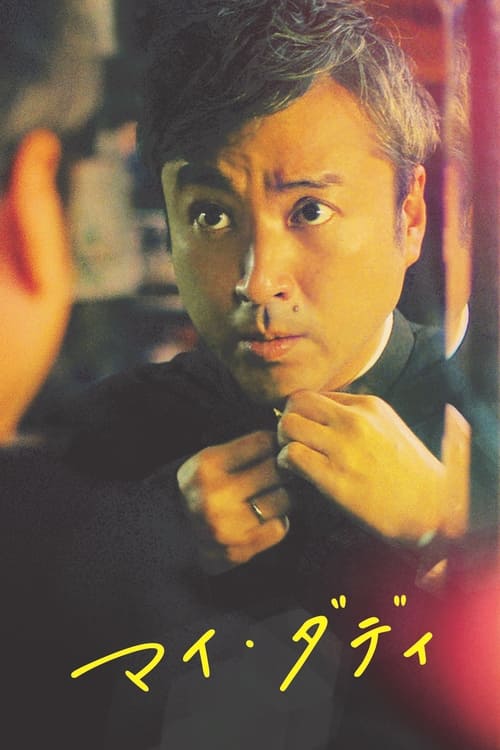
My Daddy examines the breakdown of traditional family structures through the lens of a single father. By centering on a male pastor navigating solo parenting and emotional vulnerability, the film challenges conventional masculine leadership roles. While the film offers some progressive shifts in gender roles, it lacks broader representation of diverse racial or ethnic identities. The story's impact depends heavily on its portrayal of a medical crisis, which can either provide genuine ability to act or serve merely as a plot device.
Category Breakdown
The film centers on a single-parent household but does not include explicit representations of LGBTQ+ identities or specific character arcs related to these communities.
The narrative challenges traditional masculine roles by focusing on a male pastor who acts as a primary caregiver and emotional support figure.
The story reflects a homogeneous Japanese social setting without evidence of multi-ethnic casting or diverse racial identities among the main characters.
Set within a religious context, the film explores a pastor's personal crisis through his emotional journey, emphasizing individual experience over institutional stability.
The central conflict revolves around a daughter's medical diagnosis. The film's effectiveness hinges on whether it handles the illness with nuance or uses it simply as a plot device.
Present on Screen
Limited or Absent
Official Synopsis
Kazuo Mido is a pastor at a small church. He lost his wife 8 years ago and raises his only daughter, a junior high school student, singlehandedly. When she is diagnosed with an illness, he undergoes a drastic change.
2022

2014
2020
1961
2005
2020

2021

2022
No reviews yet. Be the first to share your thoughts on this movie!
Use the rating form above to leave a star rating and optional review.