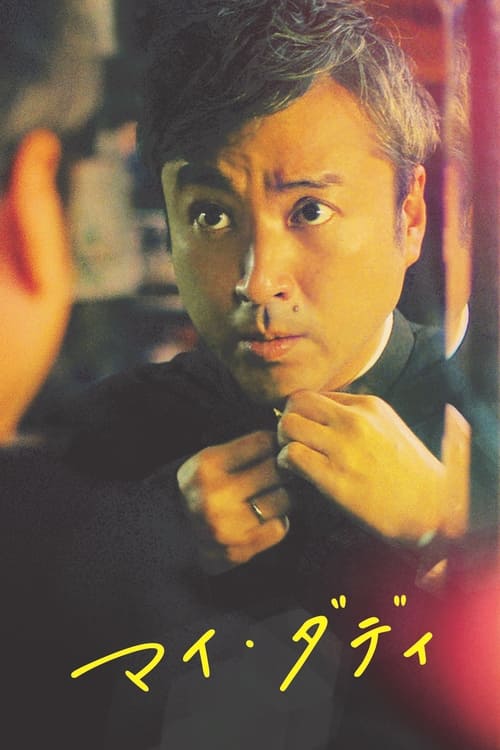
My Daddy
2021
No user ratings available yet
Representation score: 6.0 out of 10
Representation Score
Fair
2022
Director
Takahisa Zeze
Runtime
139 minutes
Average Rating
No ratings yetNew Showbiz Analysis
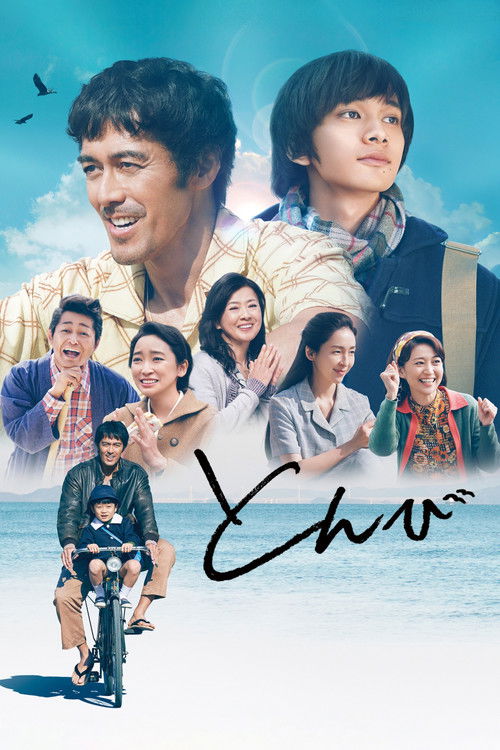
Tonbi is a character-driven social realist drama that emphasizes the human condition over broad demographic representation. It effectively dismantles traditional family stability through the lens of personal loss and urban isolation. The film's main limitation lies in its narrow demographic focus. It operates within a homogeneous cultural framework and concentrates on conventional relational boundaries, offering limited representation for LGBTQ+ or multicultural identities. Ultimately, the work serves as a focused study of masculine responsibility and the systemic pressures of modern life, prioritizing emotional depth over varied perspectives.
Category Breakdown
The film focuses on traditional family structures, particularly the relationship between a father and his son. It does not include any non-cisgender identities or critiques of the assumption that everyone is straight.
The story centers on a male protagonist dealing with single parenthood. While it avoids the 'incompetent father' stereotype, female characters are mainly defined by their roles as mothers and catalysts for the male character’s growth.
Set and cast within a Japanese context, the film presents a homogeneous cultural perspective. It focuses on a localized, culturally specific view of Japanese society without including diverse racial backgrounds.
The narrative provides a critical look at modern urban capitalism and social disconnection. It highlights the tension between human needs and the rigid structures of an urban environment.
The film explores the psychological impact of grief and isolation. However, it does not depict physical disabilities or neurodivergence as central themes.
Present on Screen
Limited or Absent
Official Synopsis
Yasuo (Hiroshi Abe) grew up as an orphan. He married a woman he loved and they had a son Akira (later played by Takumi Kitamura). Yasuo's life seemed great at the time, but his life totally changed after his wife died in accident. Since that time, Yasuo, who never experienced parents' love himself, has to raise his son Akira alone.
2021
1995
2020
2018
2022

2024
1942
1999
No reviews yet. Be the first to share your thoughts on this movie!
Use the rating form above to leave a star rating and optional review.