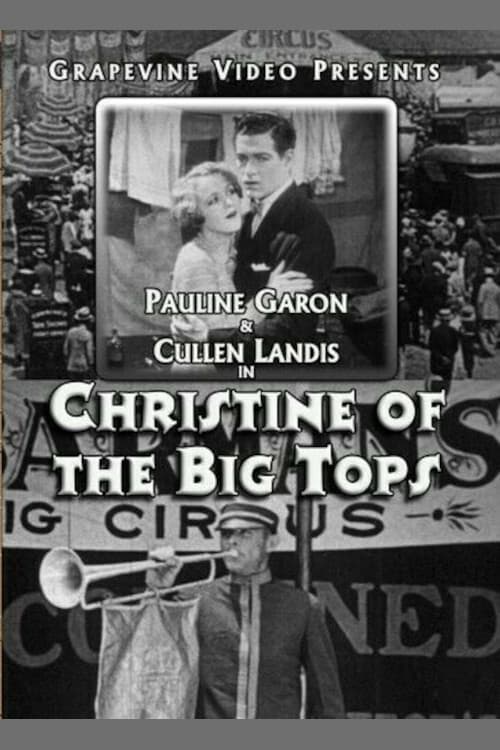
Christine of the Big Tops
1926
No user ratings available yet
Representation score: 1.1 out of 10
Representation Score
Minimal
1941
ApprovedDirector
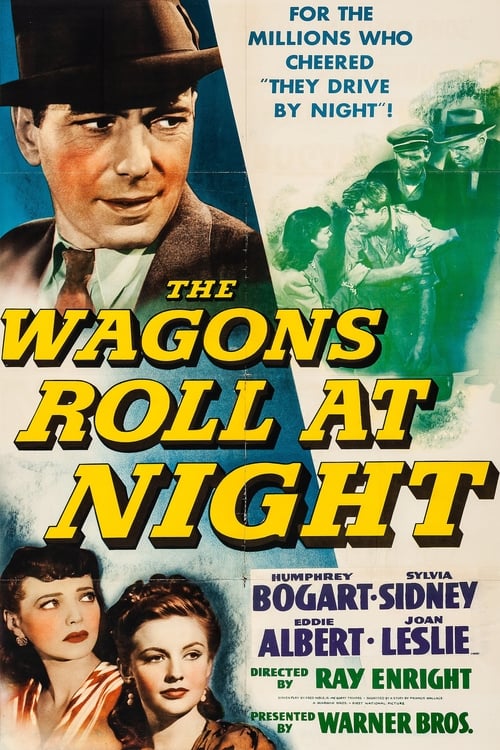
Ray Enright
Runtime
84 minutes
Average Rating
No ratings yetNew Showbiz Analysis
The film adheres to the social hierarchies and genre standards of the 1941 studio system. It prioritizes traditional romantic and professional structures over any form of social subversion. Narrative ability to act is heavily skewed toward male characters, while women occupy archetypal roles that serve the central male conflicts. Demographically, the film reflects a homogeneous cast typical of its era, lacking multi-layered complexity.
Category Breakdown
The film follows a conventional romantic storyline centered around heterosexual couples. There are no characters or narratives that challenge the assumption that everyone is straight or cisgender.
Male characters drive the narrative through their roles and conflicts. Female characters such as Mary and Flo Lorraine mainly serve as romantic interests or catalysts for male tension.
The cast appears uniform, reflecting the standard demographics of 1941 studio dramas. There are no characters of color with significant roles or influence.
The story emphasizes traditional Western values and professional duty. It focuses on integrating an outsider into a stable social group rather than deconstructing social structures.
No specific depictions of visible or invisible disabilities are identified within the character descriptions or the narrative arc.
Present on Screen
Limited or Absent
Official Synopsis
An escaped circus lion provides the impetus for the meeting of carnival owner Nick Coster and Matt Varney, a small-town man who suddenly becomes a lion tamer when he manages to subdue the big cat. While acclimating to carnival life, Matt begins a romance with Nick's sister, Mary, causing tension between Matt and Nick. The latter must also juggle his stormy relationship with glamorous circus star Flo Lorraine.
1926
1952
1949
1928
1942
1956
1933
1953
No reviews yet. Be the first to share your thoughts on this movie!
Use the rating form above to leave a star rating and optional review.