
Her Wild Oat
1927
No user ratings available yet
Representation score: 2.1 out of 10
Representation Score
Minimal
1921
PassedDirector
Maurice Campbell
Runtime
56 minutes
Average Rating
No ratings yetNew Showbiz Analysis
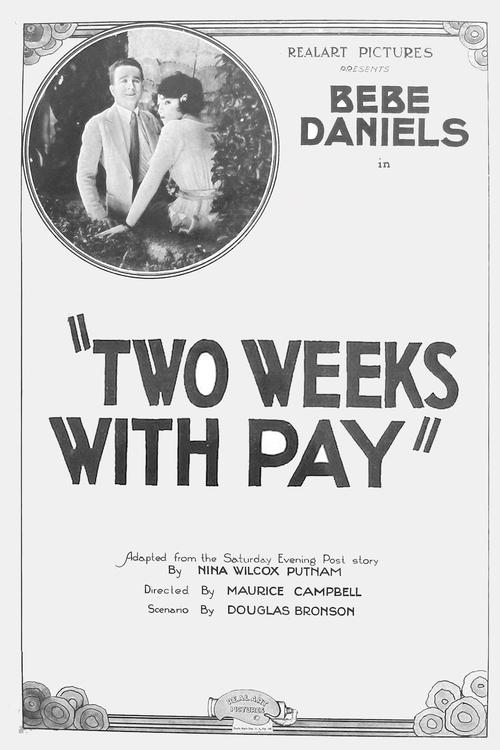
Two Weeks with Pay is a period-specific situational comedy that relies on class-based clichés and mistaken identity. While it centers on a female lead, the narrative does not aim to challenge the social hierarchies of the 1920s. The film focuses on individual social mishaps, such as a working-class salesgirl gaining temporary status through a misunderstanding. This focus prevents the film from engaging in deeper, multi-layered or progressive commentary. Overall, the production reflects the conventional, homogeneous standards of early silent cinema, prioritizing comedic misunderstandings over diverse or systemic representation.
Category Breakdown
The film does not include any representation of LGBTQ+ identities or narratives involving same-sex relationships. The plot revolves around a heterosexual misunderstanding related to celebrity status.
Pansy O'Donnell is a central female character who plays a significant role in the story. However, her importance arises from being mistaken for a celebrity, which reinforces traditional beauty standards.
The film follows the homogeneous casting practices typical of the early silent era, showing no intentional ethnic diversity or race-bending.
The story examines class mobility and the performative nature of social status within traditional 1920s social structures, without offering systemic critiques.
There is no mention of characters with visible or invisible disabilities in the narrative.
Present on Screen
Limited or Absent
Official Synopsis
Pansy O'Donnell, a salesgirl, is given a two-week vacation at a summer resort, where she advertises clothing made by her company. The hotel clerk mistakes her for movie actress Marie La Tour, and gossip spreads that she is staying incognito.
1927
1926
1937
1921
1926
1920

1929
1934
No reviews yet. Be the first to share your thoughts on this movie!
Use the rating form above to leave a star rating and optional review.