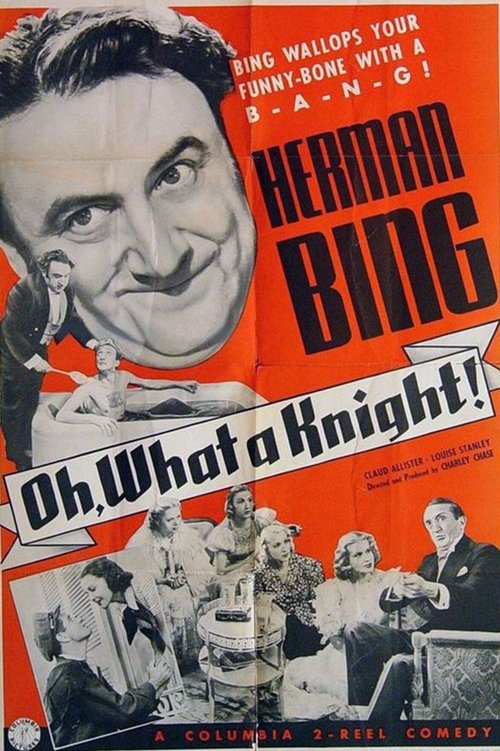
Oh, What a Knight!
1937
No user ratings available yet
Representation score: 0.9 out of 10
Representation Score
Minimal
1930
PassedDirector
Fred Guiol, Charley Rogers
Runtime
20 minutes
Average Rating
No ratings yetNew Showbiz Analysis
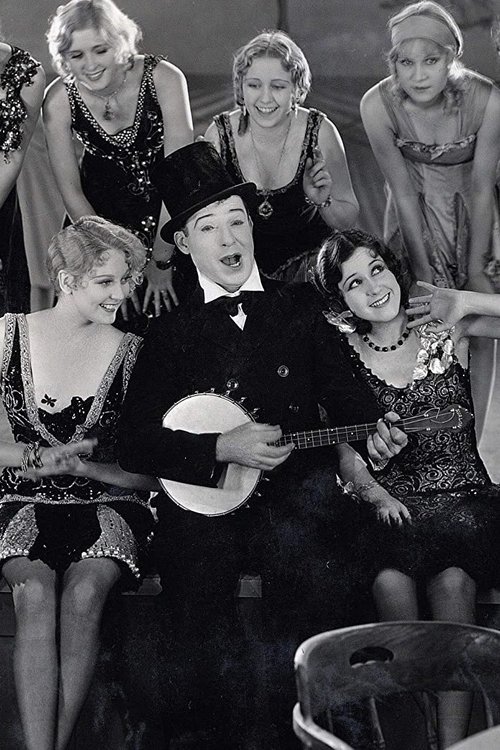
The Fighting Parson is a typical comedy from the 1930s that adheres to the social norms of its time. It functions as a standard slapstick piece rather than a work that challenges established norms. The film reinforces traditional social and cultural hierarchies rather than disrupting them. Its narrative structure relies on the established clichés of the Western genre and early sound-era comedy. Ultimately, the work lacks the modern standards of progressive representation, reflecting the homogeneous and conventional standards of its era.
Category Breakdown
The film does not include any characters with non-binary gender identities or same-sex relationships. It follows the traditional structures typical of 1930s comedies.
The story relies on traditional masculine roles within a Western context. Comedy arises from the contrast between religious propriety and physical strength, rather than challenging gender hierarchies.
The film likely adheres to the homogeneous casting practices of early Hollywood. It reflects the era's standard reliance on Anglo-Saxon characters without evidence of diverse casting.
The story focuses on a religious figure and traditional Western institutions. It lacks any critique of these institutions or promotion of secular themes.
There is no indication of characters with visible or invisible disabilities. No such characters are used as narrative devices.
Present on Screen
Limited or Absent
Official Synopsis
Harry is mistaken for "The Fighting Parson" in a tough western town.
1937

1923
1945
1926
1929
1933
1937
1951
No reviews yet. Be the first to share your thoughts on this movie!
Use the rating form above to leave a star rating and optional review.