Caught in the Rain
1914
No user ratings available yet
Diversity score: 2.7 out of 10
1923
SDirector
Lau Lauritzen Sr.
Runtime
55 minutes
Average Rating
No ratings yetSynopsis
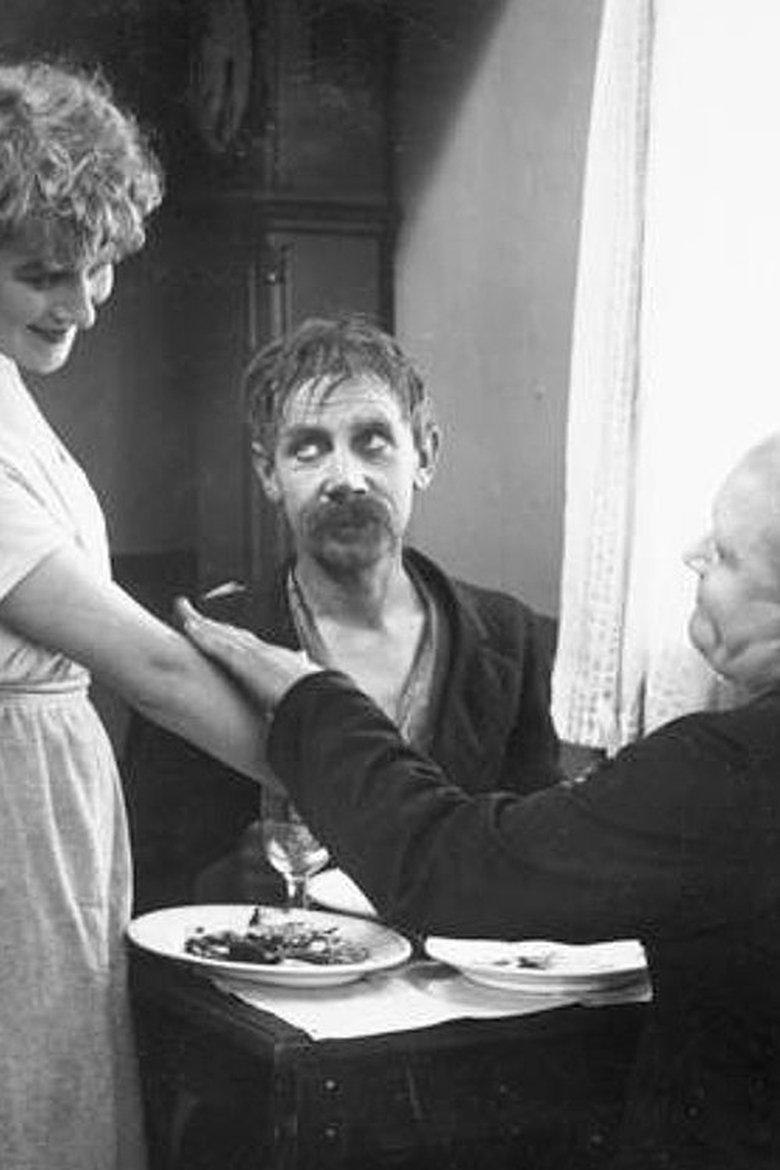
Summer has arrived, and people are fleeing the sun-scorched, stony streets of the city. Pat and Patachon also leave the stifling streets behind to spend the summer in the countryside. Armed with a homemade camera, they hope to earn a living by taking photographs, though their efforts are not particularly successful. By chance, they come across an inn owned by the formidable Mother Hulda. She quickly sniffs out their attempt to make their escape without paying their bill, and while Patachon is forced to stay as collateral, Pat sets off to make some money. He becomes the subject of many unpleasant mishaps along the way, while Patachon is coerced into becoming engaged to Hulda and gets entangled in a conflict between Hulda, her daughter Grethe, and Grethe’s boyfriend Erik. (Stumfilm.dk)
Overall Score
Limited
Category Breakdown
LGBTQ+ Representation
The film lacks any evidence of non-cisnormative identities or same-sex intimacy. The plot centers on traditional romantic pairings and forced engagements.
Gender Representation
Mother Hulda serves as a powerful, formidable figure who exerts economic and social control over the men. This authority disrupts typical passive female tropes, though traditional romantic subplots remain.
Racial & Ethnic Diversity
The production reflects the homogeneous demographic of 1923 Denmark. There is no indication of diverse casting or non-Anglo-Saxon characters in the narrative.
Religious & Cultural Diversity
The comedy relies on situational irony regarding social responsibility and financial evasion. However, the story remains rooted in traditional institutions like marriage and commerce.
Disability Representation
There are no characters with visible or invisible disabilities mentioned. No such characters appear to serve as plot devices within the story.
Strengths
Areas for Improvement
AI Analysis
The film is a product of its specific historical and regional era, resulting in a narrative that aligns closely with early 20th-century European social structures. While it lacks modern intersectional diversity, it offers some interesting character dynamics. The most notable element is the subversion of gender roles through Mother Hulda, who acts as a dominant authority figure. This provides a brief departure from the era's typical character archetypes. Ultimately, the film remains a homogeneous comedy focused on traditional romantic entanglements and established social norms, offering little representation outside of its immediate Danish context.
1914

1915
1916
1932
1907
1935

1935
1924
1921

1918

1927

1924
No reviews yet. Be the first to share your thoughts on this movie!
Use the rating form above to leave a star rating and optional review.