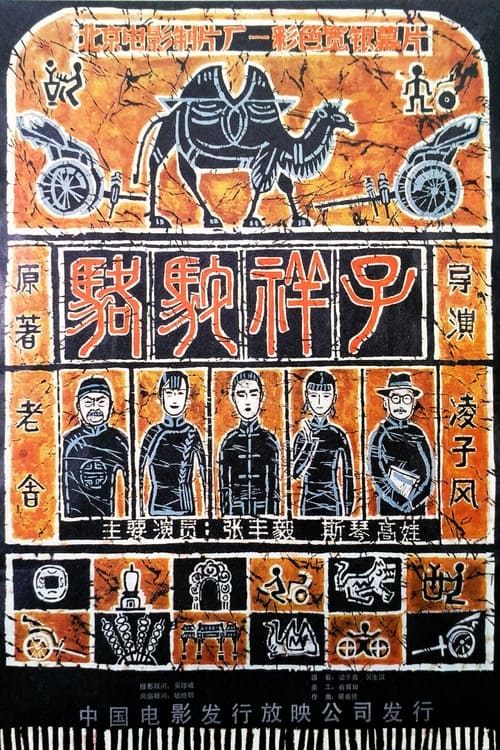
Rickshaw Boy
1982
No user ratings available yet
Diversity score: 6.9 out of 10
1981
Director
Cen Fan
Runtime
125 minutes
Average Rating
No ratings yetSynopsis
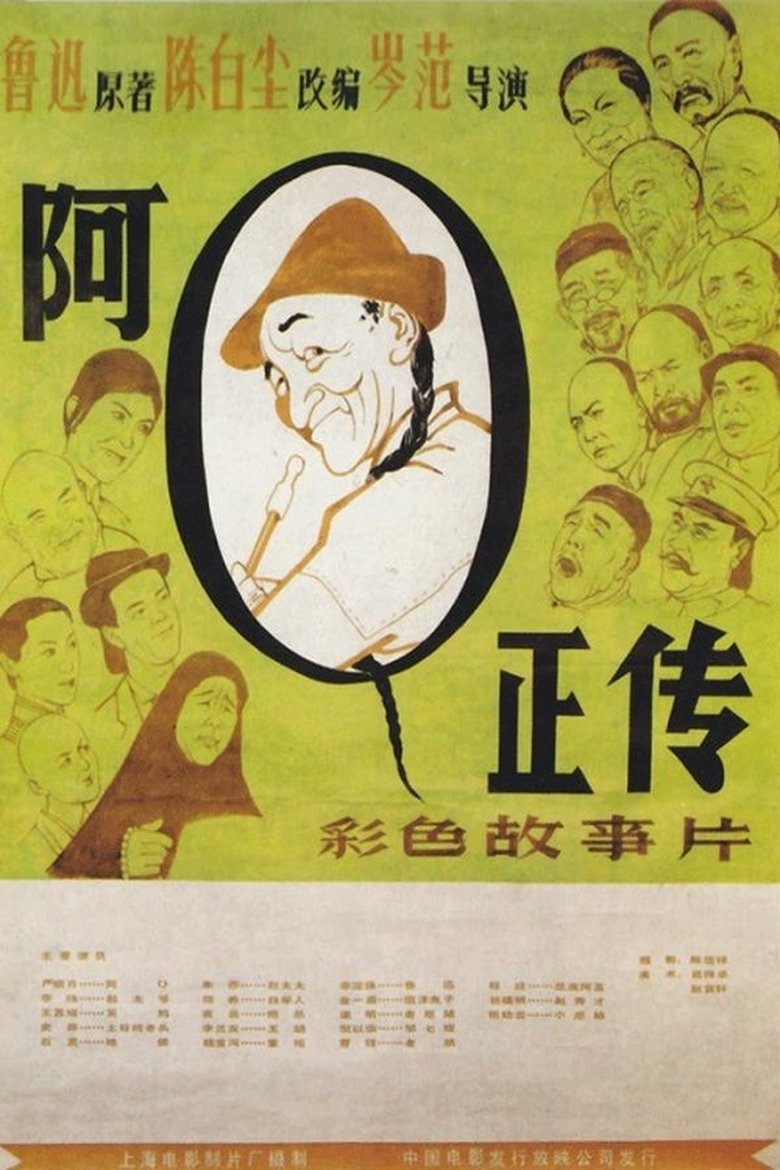
Based on the 1921 novella of the same name by one of China's most well-known modern writers, Lu Xun (Lu Hsun), the True Story of Ah Q is set during the 1911 revolution. Ah Q is a lowly peasant who wants to rise above his class, or at least get out of his grinding poverty. At first he thinks the way to do it is by marrying into a better station in life; later, he joins the revolution as he feels that is the only way he and others like him can transcend poverty. In this film version of Lu Xun's story, the character of Ah Q might benefit from a more rounded humanity to make him appealing to those not familiar with the harsh environment in China before the 1911 revolution.
Overall Score
Fair
Category Breakdown
LGBTQ+ Representation
The film contains no LGBTQ+ characters or narratives. The social landscape remains strictly governed by traditional, heteronormative patriarchal structures without any visible subversion of these norms.
Gender Representation
Women are depicted primarily through their vulnerability within a predatory patriarchal system. The film critiques this hierarchy by illustrating the limitations placed upon women rather than providing them with independent agency.
Racial & Ethnic Diversity
The production excels in authentic cultural specificity. By focusing on the Chinese peasantry, the cast provides a deep, unmediated look at the socioeconomic realities of rural China during a historical transition.
Religious & Cultural Diversity
The film offers a sophisticated critique of traditional institutions and corrupt power dynamics. It portrays the 1911 revolution as a cycle of opportunistic violence rather than a celebration of organized progress.
Disability Representation
There is no explicit focus on physical or neurodivergent disabilities. Instead, the film explores the psychological trauma and cognitive delusions that serve as the protagonist's primary survival mechanism.
Strengths
Areas for Improvement
AI Analysis
The film is a profound deconstruction of social hierarchy that prioritizes historical and cultural authenticity over modern identity-based representation. It succeeds in providing a deep, unmediated look at the socioeconomic realities of rural China during the transition from the Qing Dynasty to the Republic. However, the narrative architecture reinforces traditional, predatory gender hierarchies. Women lack independent agency, appearing mostly as victims of a rigid patriarchal structure. The film also lacks any representation of LGBTQ+ identities or subversion of heteronormative norms. Ultimately, the work functions as an intellectual critique of systemic oppression. While it lacks contemporary diversity markers, it offers a powerful exploration of how individuals navigate brutal realities through psychological delusion and spiritual victory.
1982

1979

1974

1964
1965
1981
1985

1965

1997

1986
1970
2020
No reviews yet. Be the first to share your thoughts on this movie!
Use the rating form above to leave a star rating and optional review.