
Coming Home
2014
No user ratings available yet
Representation score: 6.6 out of 10
Representation Score
Fair
2020
Director
Zhang Yimou
Runtime
104 minutes
Average Rating
No ratings yetNew Showbiz Analysis
Zhang Yimou’s drama is a meta-cinematic exploration of memory and state-mandated history. It uses film to examine how individuals preserve emotions against systemic upheaval during the Cultural Revolution. Though the film lacks modern identity-based representation, such as LGBTQ+ or neurodivergent characters, it excels in cultural critique. It dismantles the authority of political institutions by emphasizing personal ability to act over official narratives. The narrative effectively revisits history, focusing on the human spirit's resistance to institutional homogenization and censorship.
Category Breakdown
The film does not include any LGBTQ+ characters or narratives. The story centers around the protagonist's search for family and his connection to cinema.
Female characters, including a vagabond and a wife, are portrayed within the confines of 1960s rural China's gender roles. The film highlights historical gender hierarchies without challenging them.
The cast is culturally uniform, reflecting a specific rural Chinese setting. It provides a nuanced look at class-based identity without blending different racial backgrounds.
The film strongly critiques monolithic institutional power. It prioritizes personal truth and subjective memory over state-mandated historical accounts and official morality.
There is no explicit focus on physical or neurodivergent disabilities. The film addresses the psychological impact of political trauma but does not use disability as a central narrative element.
Present on Screen
Limited or Absent
Official Synopsis
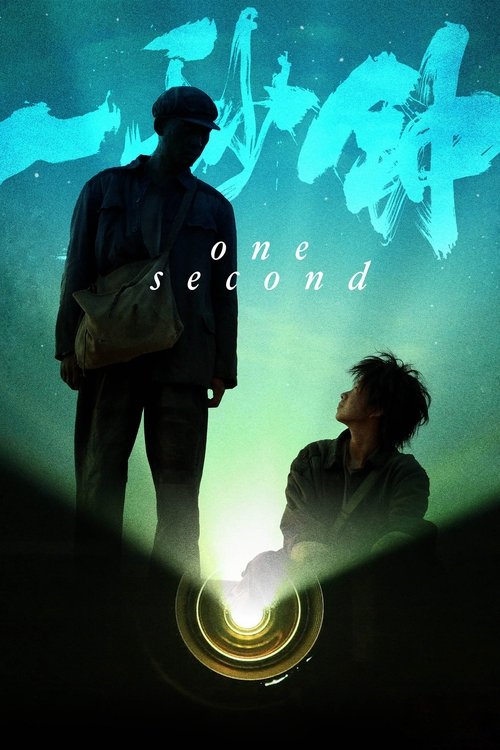
A movie fan escapes from a labour camp during the Chinese Cultural Revolution and strikes up a relationship with a homeless female vagabond.
2014

2010

1998

1987

1994

1994

1989

2011
No reviews yet. Be the first to share your thoughts on this movie!
Use the rating form above to leave a star rating and optional review.