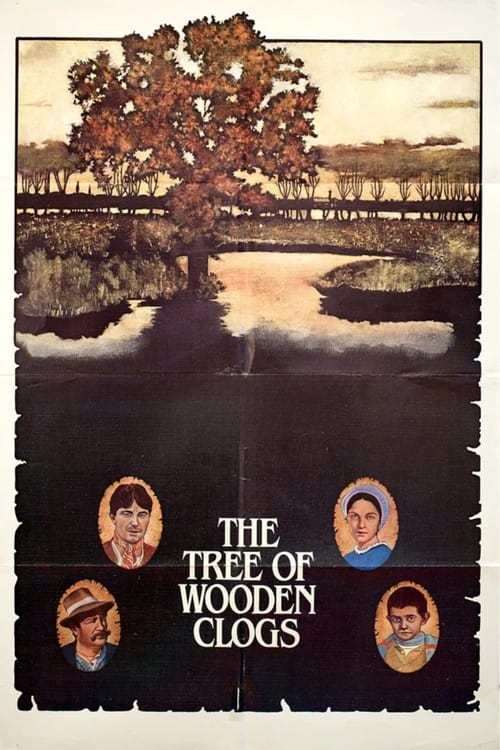
The Tree of Wooden Clogs
1978
No user ratings available yet
Representation score: 1.5 out of 10
Representation Score
Fair
1979
Director
Francesco Rosi
Runtime
220 minutes
Average Rating
No ratings yetNew Showbiz Analysis
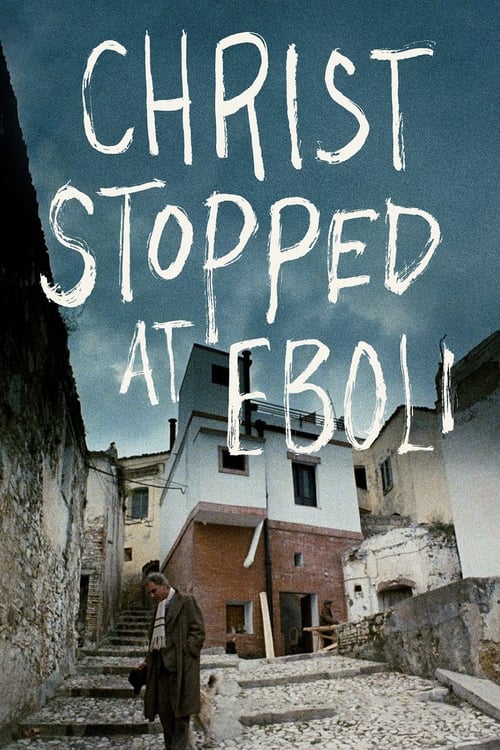
Francesco Rosi’s drama is a sophisticated socio-political study that prioritizes the deconstruction of institutional power over individual identity politics. It succeeds by framing the struggle of the Southern Italian peasantry against the intersection of Church and State. While the film lacks representation for LGBTQ+ identities and offers limited ability to act to female characters, it compensates through a rigorous critique of systemic neglect. The narrative uses geography and class to explore underrepresented status and the friction between rationalism and dogma. Ultimately, the film's strength lies in its intellectual depth regarding cultural and regional struggles, even as it remains bound by the traditional social hierarchies of its 1935 setting.
Category Breakdown
The film adheres to traditional social norms and does not include any characters with non-binary gender identities or sexual orientations.
Women are portrayed mainly within domestic and religious contexts, subject to societal and church pressures rather than having independent roles in the story.
The cast is ethnically uniform, but the film addresses the Southern Question using a post-colonial perspective, highlighting the struggle against Northern-centric state power.
The film effectively critiques traditional Western institutions, presenting religious dogma and scientific secularism as competing forces that maintain social control over the peasantry.
Disability is not a central theme but is shown as a consequence of extreme poverty, illustrating the precarious lives of those living in underserved regions.
Present on Screen
Limited or Absent
Official Synopsis
In the fascist Italy of 1935, a painter trained as a doctor is exiled to a remote region near Eboli. Over time, he learns to appreciate the beauty and wisdom of the peasants, and to overcome his isolation.
1978

1957
1977

1965

1949

1964
1998

1959
No reviews yet. Be the first to share your thoughts on this movie!
Use the rating form above to leave a star rating and optional review.