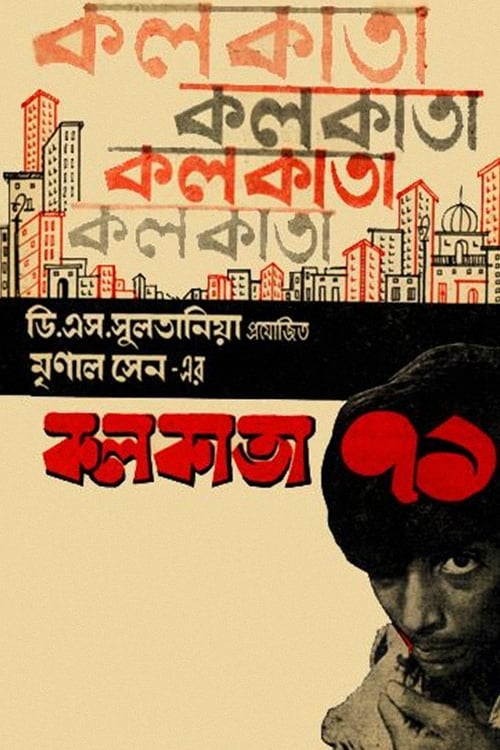
Calcutta 71
1972
No user ratings available yet
Representation score: 8.9 out of 10
Representation Score
Good
1981
Director
Mrinal Sen
Runtime
128 minutes
Average Rating
No ratings yetNew Showbiz Analysis
Mrinal Sen’s work is a profound study of identity and power that uses a post-colonial lens to deconstruct historical trauma. By blending documentary realism with dramatized sequences, the film challenges official historical truths and critiques the systemic neglect of the Bengali peasantry. The film's strength lies in its authentic regional identity and its aggressive subversion of Western-aligned structures. It moves beyond standard drama to provide a sophisticated critique of class-based oppression and the predatory nature of traditional hierarchies. While the film lacks representation for LGBTQ+ identities and specific disability-driven narratives, its focus on systemic victimhood and the physical frailty caused by famine provides a deep exploration of human suffering.
Category Breakdown
The film does not include any LGBTQ+ characters or narratives. The story focuses exclusively on the socioeconomic and communal struggles of the Bengali peasantry.
Women are shown navigating their domestic lives and labor-intensive realities amid extreme scarcity. While they face systemic economic shifts, their characters often lack significant control over their own destinies.
The film excels by featuring a non-Western, Bengali-majority cast. It highlights regional identities to disrupt Anglo-centric views and emphasizes rural Indian life.
The narrative offers a sophisticated critique of capitalist accumulation and state failures. It portrays landowners and corrupt officials as predatory forces that undermine community stability.
The film does not center characters with disabilities. However, the theme of starvation serves as a grim metaphor for bodily vulnerability and physical degradation.
Present on Screen
Limited or Absent
Official Synopsis
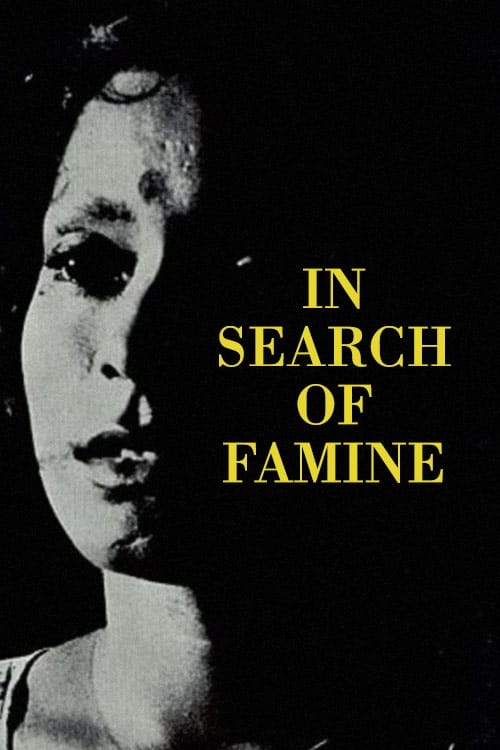
A young, idealistic director arrives in a village to make a picture set during the Great Bengal Famine. It’s a film that he hopes will reveal the problems and privations still current in rural India.
1972

1963
1973

1959

1975

2005

1976
1971
No reviews yet. Be the first to share your thoughts on this movie!
Use the rating form above to leave a star rating and optional review.