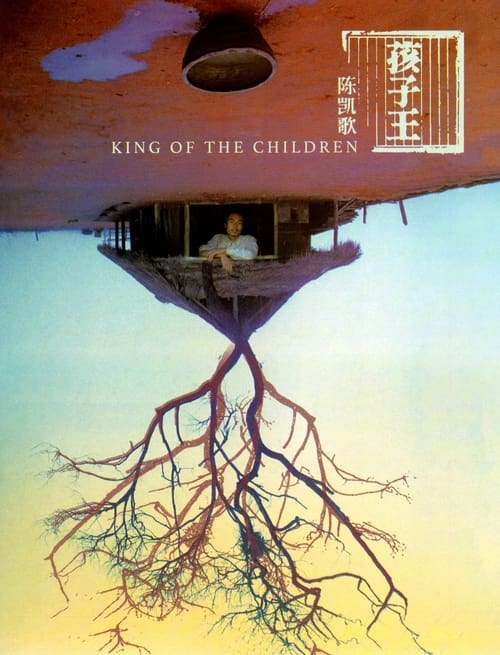
King of the Children
1987
No user ratings available yet
Diversity score: 6.2 out of 10

1986
Director
Chen Kaige
Runtime
103 minutes
Average Rating
No ratings yetSynopsis
Army volunteers train for places in China's 1984 National Day parade, where they are expected to be a perfect marching unit.
Overall Score
Fair
Category Breakdown
LGBTQ+ Representation
The film adheres to a traditional heteronormative framework. There is no evidence of non-cisnormative gender identities or same-sex intimacy within the narrative.
Gender Representation
The story reinforces traditional hierarchies by focusing almost exclusively on the male experience of duty. Women serve as domestic symbols rather than active agents in the plot.
Racial & Ethnic Diversity
The film provides an authentic portrayal of the Chinese peasantry. It disrupts Western-centric norms by centering a localized, post-colonial perspective.
Religious & Cultural Diversity
The narrative uses an anti-imperialist framework to critique external hegemony. It prioritizes the collective struggle of the working class against invading forces.
Disability Representation
There are no prominent depictions of visible or invisible disabilities that drive the narrative forward.
Strengths
Areas for Improvement
AI Analysis
The Big Parade is a significant piece of non-Western cinema that challenges traditional Western narrative structures. It excels in cultural authenticity by centering a post-colonial struggle and the agency of the peasantry against imperialist aggression. However, the film lacks modern identity-based representation. It operates within a strictly heteronormative and patriarchal framework, offering little visibility for LGBTQ+ identities or female agency. Ultimately, the film's value lies in its ability to critique systemic oppression through a collective lens, even as it maintains traditional gender roles.
1987

1993

1984

1985
1981
1994
1991

2002

2004

1971

1994

2006
No reviews yet. Be the first to share your thoughts on this movie!
Use the rating form above to leave a star rating and optional review.