
No One Writes to the Colonel
1999
No user ratings available yet
Diversity score: 6.3 out of 10
1982
Director
Ling Zifeng
Runtime
117 minutes
Average Rating
No ratings yetSynopsis
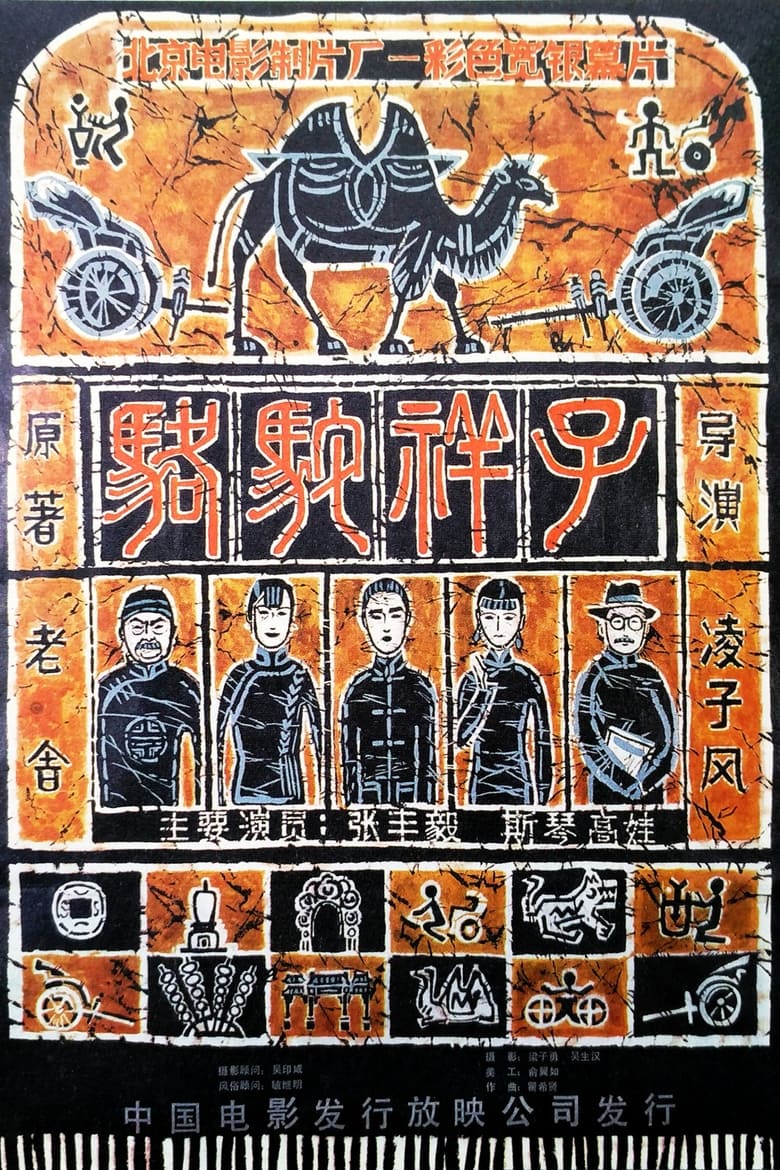
Xiang Zi is a rickshaw boy who has always had a desire to excel and a thirst for freedom. He married Hu Niu who died of dystocia later. After her death, another girl, Xiao Fuzi, falls in love with Xiang Zi but they are separated by poverty. Xiang Zi works very hard in order to change his life, only to find that Xiao Fuzi is dead just as he begins to be hopeful for their future. Finally, Xiang Zi, an unflinching man, surrenders to that dark society.
Overall Score
Good
Category Breakdown
LGBTQ+ Representation
The film operates within a traditional heteronormative framework. Romantic arcs focus on the protagonist's relationships with Hu Niu and Xiao Fuzi to underscore his socioeconomic displacement.
Gender Representation
The narrative highlights the extreme vulnerability of women within a rigid social hierarchy. While female characters are depicted, they often function as victims of their environment rather than agents of liberation.
Racial & Ethnic Diversity
This is a deeply localized exploration of Chinese identity and the working-class experience. It centers on the Beijing laborer and challenges Western-centric historical narratives through a post-colonial lens.
Religious & Cultural Diversity
The film presents a sophisticated critique of capitalist exploitation and oppressive social orders. It portrays the protagonist's surrender to a dark society as a systemic inevitability rather than a moral failing.
Disability Representation
Representation is limited to the physical toll of extreme labor. The film focuses on the bodily exhaustion and physical degradation caused by poverty rather than providing agency to characters with specific disabilities.
Strengths
Areas for Improvement
AI Analysis
Rickshaw Boy is a powerful social critique that dismantles the myth of meritocracy. It succeeds by centering the marginalized Chinese working class and providing a robust post-colonial perspective on imperialist influence. The film's strength lies in its refusal to romanticize struggle. Instead, it exposes the systemic mechanisms that disenfranchise individuals, using a tragic arc to illustrate how socioeconomic structures crush personal agency. However, the film lacks modern identity-based representation. It operates within a traditional framework that offers little visibility for LGBTQ+ identities or characters with specific disabilities.
1999
2009

1989
1997
1981
2003

1994
1994

2009
2020
1988

1943
No reviews yet. Be the first to share your thoughts on this movie!
Use the rating form above to leave a star rating and optional review.