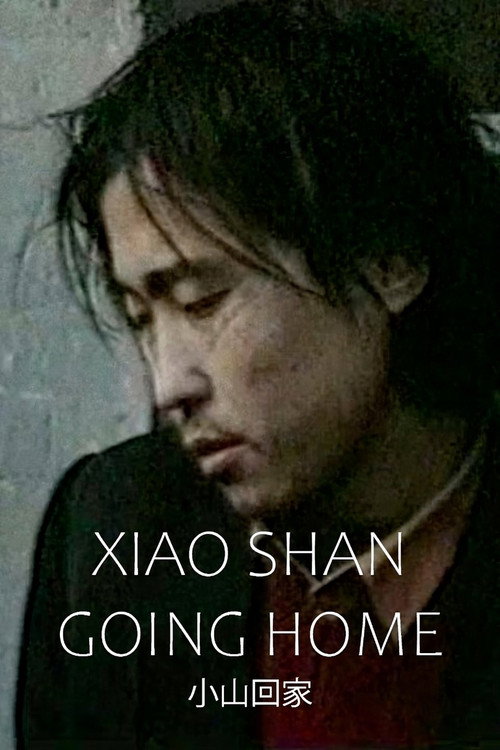
Xiao Shan Going Home
1995
No user ratings available yet
Representation score: 3.9 out of 10

Representation Score
Good
1997
UnratedDirector
Jia Zhangke
Runtime
113 minutes
Average Rating
No ratings yetNew Showbiz Analysis
Jia Zhangke’s work provides a vital, gritty look at the underrepresented individuals caught in the friction of China's rapid modernization. By centering on the provincial working class, the film challenges mainstream cinematic focuses on urban or elite perspectives. The film excels in its cultural critique, framing globalization as a corrosive force that dehumanizes the individual. It successfully captures the spiritual and social emptiness that can accompany the pursuit of modern prosperity. However, the film lacks representation in several key areas. There is no exploration of LGBTQ+ identities or specific depictions of disability, leaving the narrative focused almost exclusively on class and economic struggle.
Category Breakdown
The film does not include any LGBTQ+ characters or explore non-traditional gender identities. The story focuses solely on the socioeconomic struggles of the provincial working class.
Gender roles are portrayed through the lens of economic necessity rather than romanticized clichés. The story examines how market-driven changes affect the roles of both men and women.
The cast is ethnically uniform, yet the film provides depth to the provincial Chinese working class. It centers on the 'left behind' citizens of Fenyang to challenge elite perspectives.
The narrative offers a nuanced critique of social dislocation caused by rapid industrialization. It explores themes of alienation and the breakdown of traditional community structures during the transition to capitalism.
There is no explicit focus on visible or invisible disabilities. Character struggles are defined by socioeconomic status and the psychological toll of urban alienation.
Present on Screen
Limited or Absent
Official Synopsis
A small town pickpocket whose friends have moved on to higher trades finds himself bitter and unable to adapt.
1995
2001

2001

1985

2004

1993

2008
2016
No reviews yet. Be the first to share your thoughts on this movie!
Use the rating form above to leave a star rating and optional review.