
The Sparrow
1972
No user ratings available yet
Representation score: 7.9 out of 10
Representation Score
Limited
1970
Director
Youssef Chahine
Runtime
135 minutes
Average Rating
No ratings yetNew Showbiz Analysis
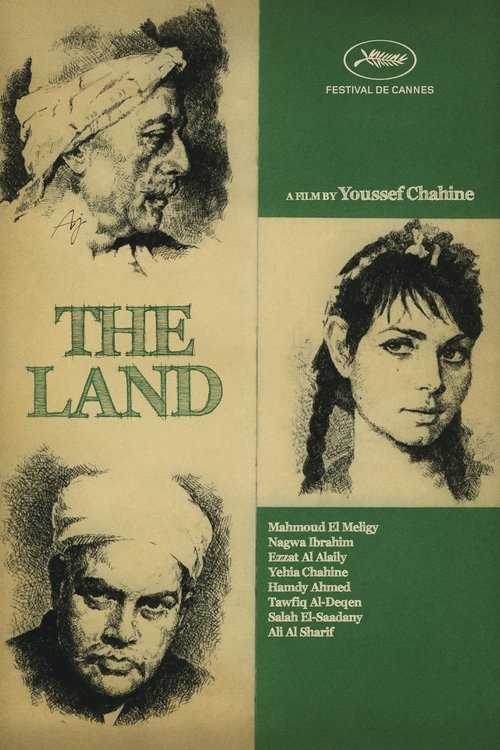
The Land is a powerful film that centers the experiences of the Egyptian peasantry, presenting them as active agents in historical struggles. It successfully challenges Eurocentric perspectives by focusing on the indigenous population. However, the film adheres to the traditional social hierarchies of its time, limiting political ability to act primarily to men and excluding any representation of LGBTQ+ identities. Despite its adherence to traditional gender roles, the film offers a sophisticated critique of class and systemic economic oppression.
Category Breakdown
The film focuses on class solidarity and communal survival without including any queer narratives or representations of non-straight identities.
Women play important roles in the community but are confined to traditional domestic spheres. Male protagonists are central to the political struggles and land ownership.
The film highlights the indigenous Egyptian peasantry, challenging Eurocentric views and asserting a cohesive ethnic identity through its portrayal of the fellahin.
It provides a strong critique of feudalism and Western-aligned power structures, framing the struggle for land as a reclaiming of dignity.
There are no significant depictions of physical or neurodivergent disabilities that play a central role in character development or the narrative arc.
Present on Screen
Limited or Absent
Official Synopsis
Set in 1933, the mayor informs the peasants that the share of irrigation of their land will be split equally between them and feudal lord Mahmoud Bey. The peasants send Mohamed Effendi to submit a petition to the government. Mahmoud Bey then proposes a project that would require taking part of the peasants' lands.
1972

1930

1951
1978

1954
1990
1962

1960
No reviews yet. Be the first to share your thoughts on this movie!
Use the rating form above to leave a star rating and optional review.