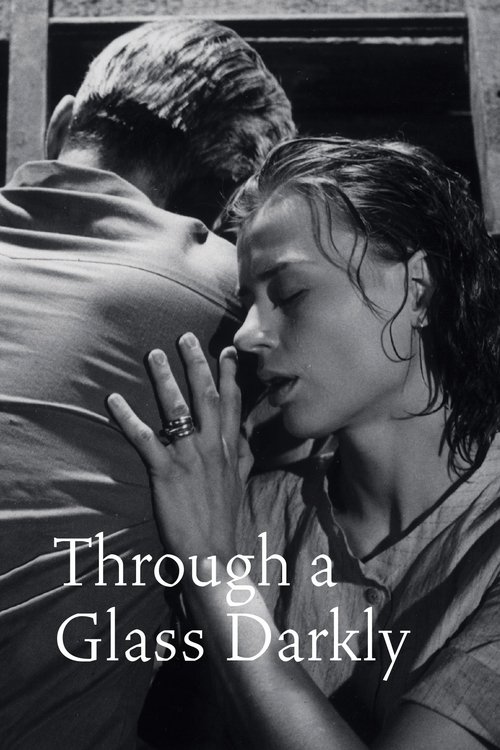
Through a Glass Darkly
1961
No user ratings available yet
Representation score: 5.8 out of 10
Representation Score
Fair
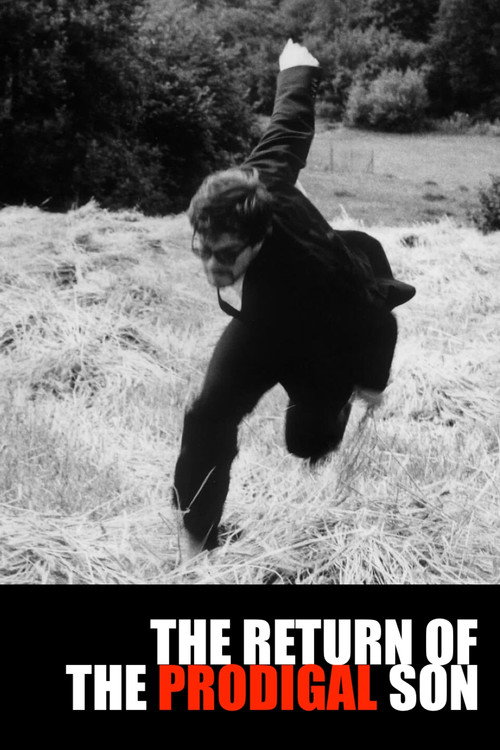
1967
Director
Evald Schorm
Runtime
98 minutes
Average Rating
No ratings yetNew Showbiz Analysis
The film is a sophisticated deconstruction of social structures, emphasizing psychological depth over demographic diversity. It excels at subverting traditional roles, especially concerning gender and the sanctity of the family unit. However, the film remains limited in its demographic representation, lacking racial, ethnic, or LGBTQ+ identities. It reflects the cultural homogeneity of 1960s Czechoslovakia. Ultimately, the film's strength lies in its existentialist critique of social cohesion. It replaces traditional moral certainties with a complex, relativistic exploration of the human condition.
Category Breakdown
The film focuses on traditional heterosexual relationships and does not include explicit LGBTQ+ identities or narratives that challenge heteronormativity.
The film subverts the typical image of the devoted wife through Jana's casual affair. Jan's character shifts from a traditional strong masculinity to a more vulnerable portrayal.
Reflecting the demographic makeup of its setting, the film does not engage with racial or ethnic diversity. It focuses on the social dynamics of a provincial community.
The film portrays the family as a place of alienation and skepticism towards traditional institutions. It emphasizes moral relativism and existentialism over communal or religious values.
Jan’s hospitalization provides a nuanced look at mental health issues. The narrative explores themes of isolation through his psychological state, rather than using his condition as a simple plot device.
Present on Screen
Limited or Absent
Official Synopsis
Engineer Jan Sebek (Jan Kacer) is undergoing treatment in a mental home after his unsuccessful attempt to commit suicide. His therapist, via discussions both with the patient and with people who know him, tries to find out what made the young and seemingly satisfied man decide to end his own life. Jan's pretty wife Jana (Jana Brejchová) claims not to know about anything but she is conducting an affair with a family friend, almost publicly and with the blessing of her parents.
1961
1963
1966
1984
1972
1948
1976
2009
No reviews yet. Be the first to share your thoughts on this movie!
Use the rating form above to leave a star rating and optional review.