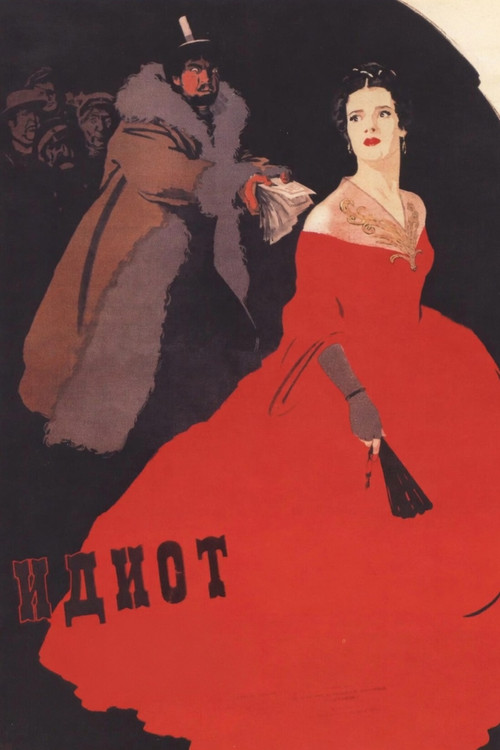
The Idiot
1958
No user ratings available yet
Diversity score: 4.8 out of 10

1946
Director
Georges Lampin
Runtime
101 minutes
Average Rating
No ratings yetSynopsis
Muichkine, a young Russian prince, returns home to St. Petersburg from a mental institution, determined to spread decency and kindness in the harsh and cruel world. He becomes betrothed to an innocent young girl while trying to save a less-innocent woman from her own travail, but jealousy and his own naivete conjoin to bring about unimaginable tragedy.
Overall Score
Fair
Category Breakdown
LGBTQ+ Representation
The film adheres to period-specific romantic structures. There is no evidence of non-heteronormative identities or narratives that critique heteronormativity through queer lenses.
Gender Representation
Female protagonists like Nastasya Filippovna and Aglaya possess significant psychological complexity and agency. However, their tragic outcomes reflect the systemic constraints of a restrictive patriarchal society.
Racial & Ethnic Diversity
Casting is homogeneous, reflecting the 19th-century Russian elite. The film functions as a period-accurate reconstruction rather than a contemporary reimagining of ethnic diversity.
Religious & Cultural Diversity
The narrative critiques rigid, hypocritical aristocratic moral codes through Myshkin's radical empathy. It explores a subjective view of goodness that exists outside institutional enforcement.
Disability Representation
Prince Myshkin’s epilepsy is integrated as an intrinsic part of his identity. The film avoids mockery, linking his condition to his unique spiritual perception.
Strengths
Areas for Improvement
AI Analysis
Georges Lampin’s adaptation of Dostoyevsky’s novel is a profound psychological study that excels in its nuanced treatment of neurodivergence. By centering Myshkin’s epilepsy as a core component of his character rather than a mere plot device, the film grants him significant agency and depth. However, the production is limited by its historical context. The casting is homogeneous, reflecting the era's social landscape, and the romantic dynamics remain strictly heteronormative. While the film challenges social morality, it does not expand its scope to include diverse identities or racial representation. Ultimately, the film succeeds as a character study of spiritual purity clashing with social decay, even if it remains bound by the traditional structures of its 1946 production.
1958
1959
1954
1967
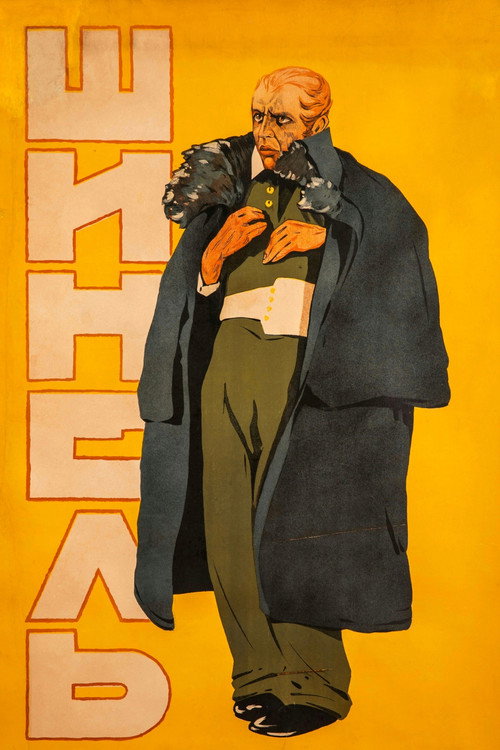
1926
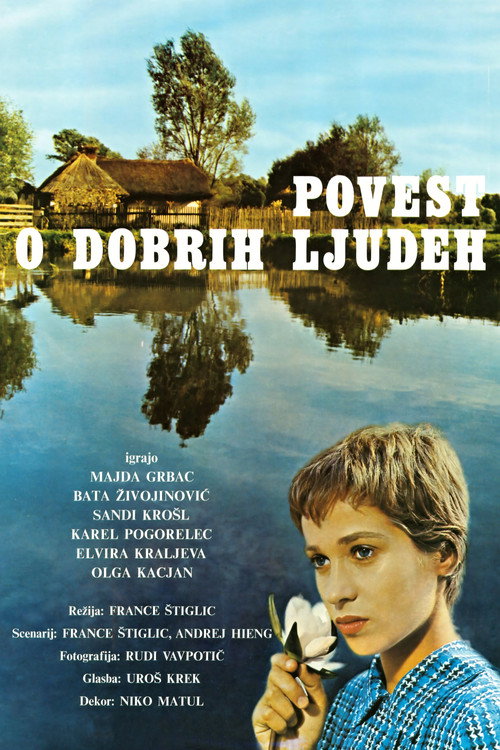
1975
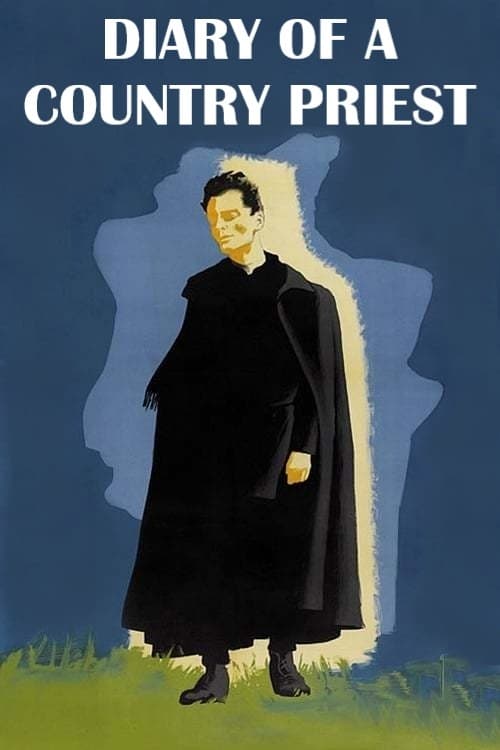
1951
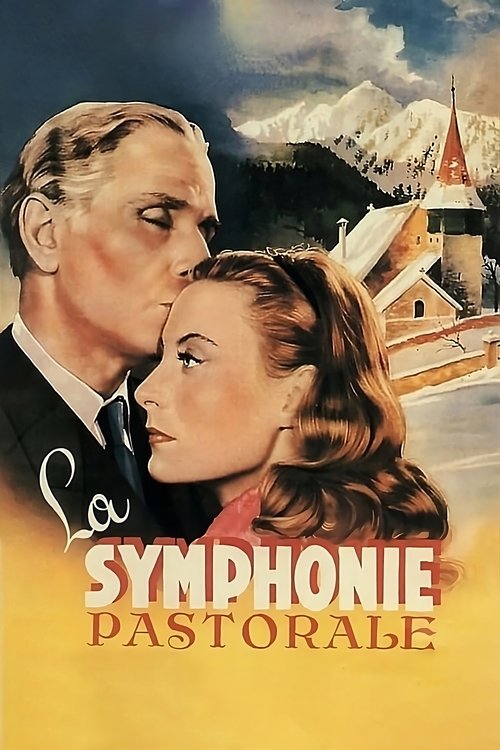
1946
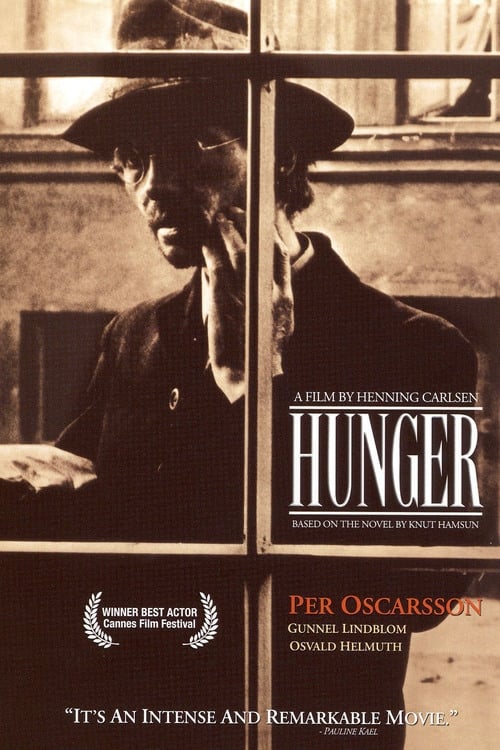
1966
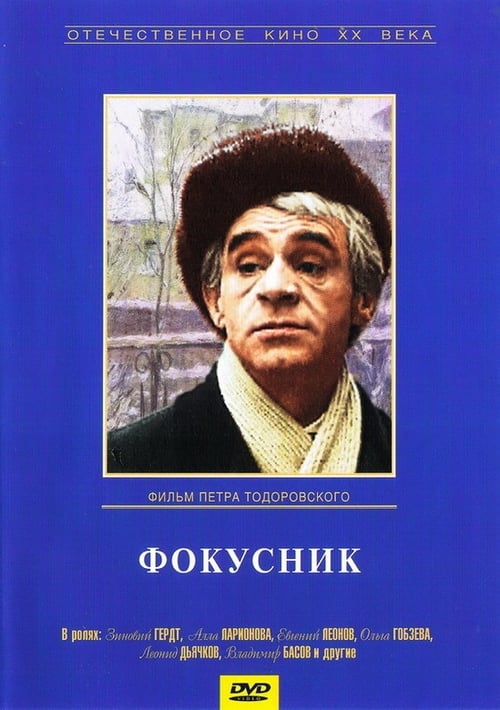
1968
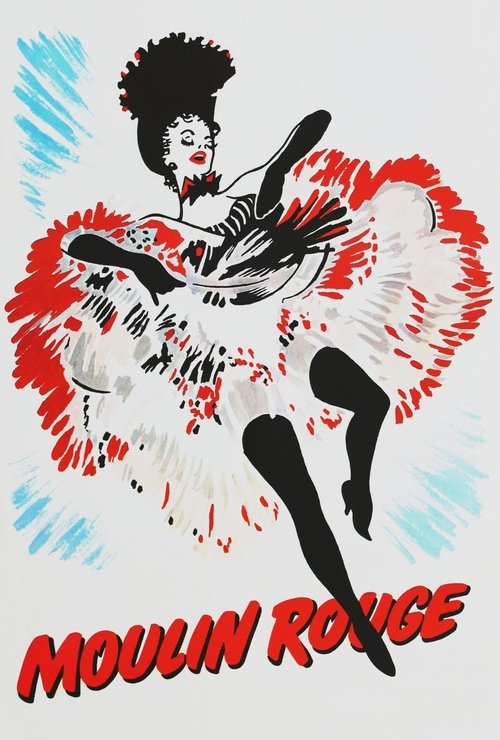
1952
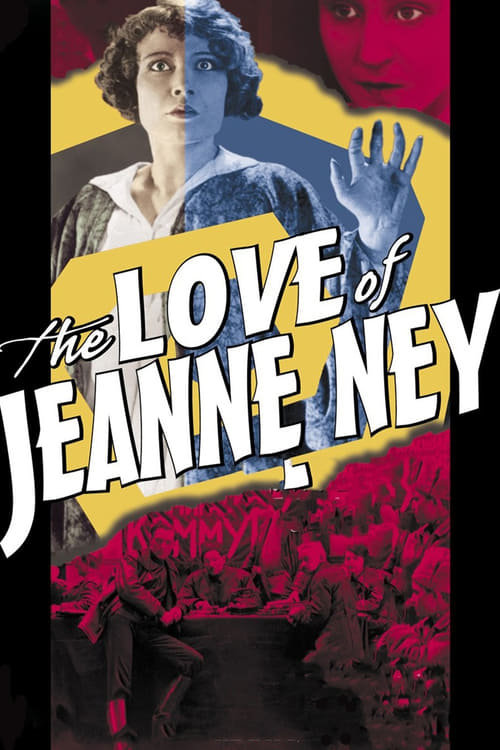
1927
No reviews yet. Be the first to share your thoughts on this movie!
Use the rating form above to leave a star rating and optional review.