The Search for Bridey Murphy
1956
No user ratings available yet
Representation score: 1.5 out of 10
Representation Score
Fair
1962
ApprovedDirector
John Huston
Runtime
140 minutes
Average Rating
No ratings yetNew Showbiz Analysis
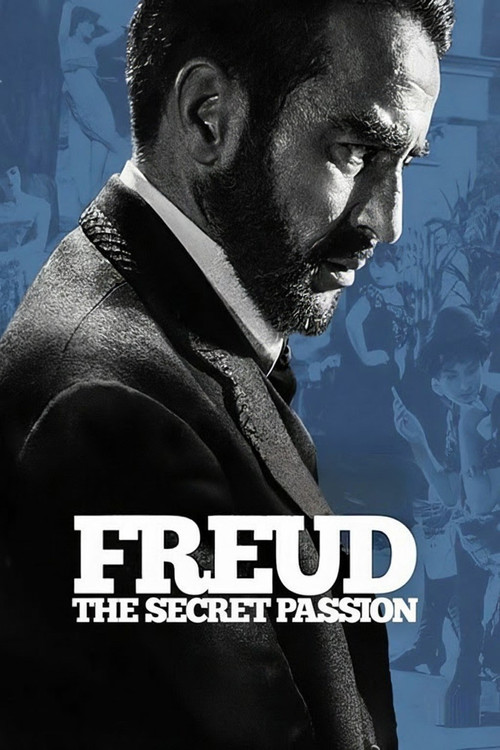
John Huston's drama examines rebellion against Victorian-era institutions. It dismantles traditional moral and scientific beliefs, replacing them with a secular, psychological understanding of human behavior. However, the film's historical setting limits its racial and LGBTQ+ representation. The focus remains on the white European intellectual class of the time. While it offers deep insights into the female psyche and mental health, these elements are often examined through a clinical, professional lens rather than a purely humanistic one.
Category Breakdown
The film doesn't explicitly show non-straight relationships or same-sex intimacy. It focuses on sexual repression through a clinical perspective rather than exploring specific LGBTQ+ identities.
The story emphasizes the desires and subconscious experiences of women. It challenges outdated views of women by presenting psychological struggles as complex realities rather than moral failings.
Set among the Viennese intellectual elite, the film reflects the homogeneous demographics of its time. The cast is almost entirely white European, showing no ethnic diversity.
The film questions strict medical and religious authorities of the Victorian era. It promotes a secular view by framing sexual impulses as psychological issues rather than sins.
Mental health and psychological distress play key roles in the narrative. While the film provides nuanced portrayals, it sometimes treats patients' neuroses as tools for professional growth.
Present on Screen
Limited or Absent
Official Synopsis
An examination of Austrian psychologist Sigmund Freud's career when he began to treat patients diagnosed with hysteria, using the radical technique of hypnosis.
1956
1976
2003
1948
1994

2016
2010
2010
No reviews yet. Be the first to share your thoughts on this movie!
Use the rating form above to leave a star rating and optional review.