
Getting to Know the Big Wide World
1978
No user ratings available yet
Diversity score: 5.5 out of 10
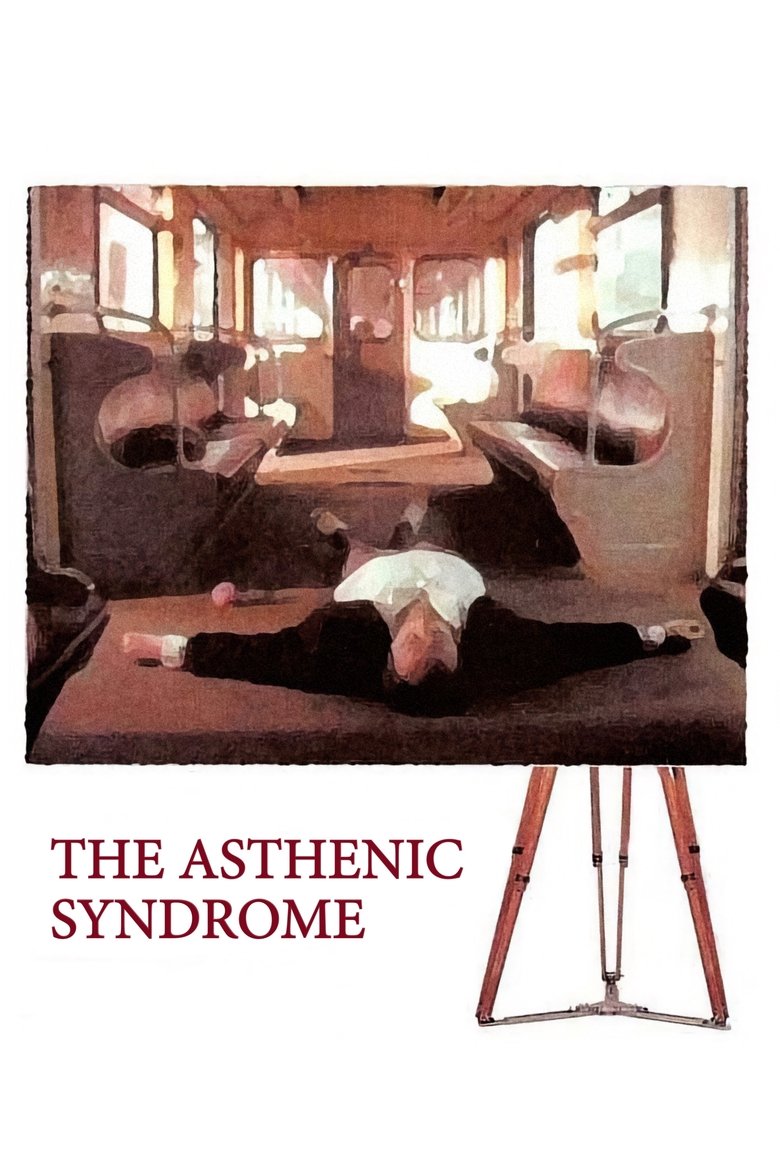
1989
Director
Kira Muratova
Runtime
153 minutes
Average Rating
No ratings yetSynopsis
In the old days it was called hypochrondria, or black melancholia. Now, apparently, it's termed the Asthenic Syndrome. Whatever it is, Nikolai, a teacher of epicly indifferent pupils, has got it, and it's not much fun.
Overall Score
Fair
Category Breakdown
LGBTQ+ Representation
The film lacks explicit LGBTQ+ identities or non-cisnormative romantic pairings. While it explores the breakdown of heteronormative stability through neurosis, no specific queer character arcs are present.
Gender Representation
Muratova disrupts traditional gender hierarchies by eschewing archetypes like the stable provider or nurturing mother. Characters of all genders share a high level of emotional instability and psychological volatility.
Racial & Ethnic Diversity
The cast is predominantly Slavic and Eastern European, reflecting the late Soviet era's demographic homogeneity. The film does not utilize diverse ethnic casting or race-bending.
Religious & Cultural Diversity
The narrative excels at deconstructing institutional stability and social etiquette. It portrays a world of moral relativism where internal psychological states supersede state-mandated ethics or collective social norms.
Disability Representation
The protagonist's condition is treated as a complex, lived reality rather than a trope. The film explores neurodivergence and psychological fragility through a character with significant agency.
Strengths
Areas for Improvement
AI Analysis
Kira Muratova’s work functions as a sophisticated systemic critique, prioritizing psychological disintegration over traditional social roles. The film succeeds by centering a neurodivergent experience and deconstructing established cultural and gendered hierarchies. However, the film is demographically narrow. It lacks racial and LGBTQ+ diversity, adhering to the specific socio-political and geographic constraints of the late Soviet urban environment. Ultimately, the film's strength lies in its intellectual subversion of social norms rather than demographic breadth, using psychological instability to challenge institutional authority.
1978

1974

2016
1981

1968

2021

2001

1961
1967
1997

2009

1999
No reviews yet. Be the first to share your thoughts on this movie!
Use the rating form above to leave a star rating and optional review.