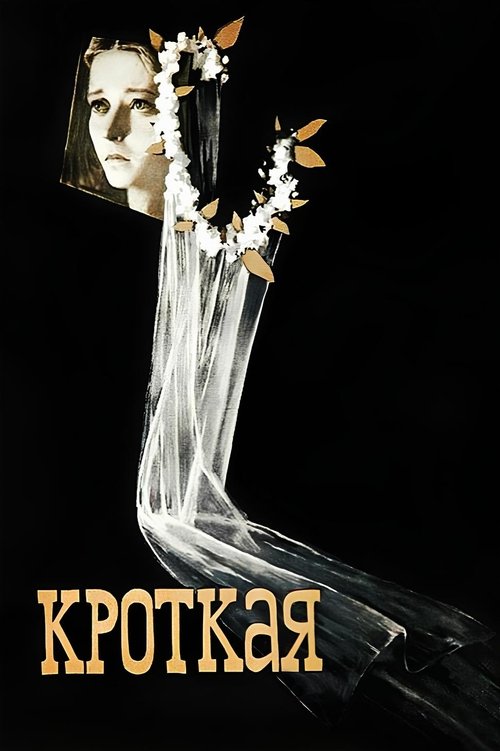
The Meek One
1960
No user ratings available yet
Representation score: 6.0 out of 10
Representation Score
Limited
1926
Director
Grigori Kozintsev, Leonid Trauberg
Runtime
63 minutes
Average Rating
No ratings yetNew Showbiz Analysis
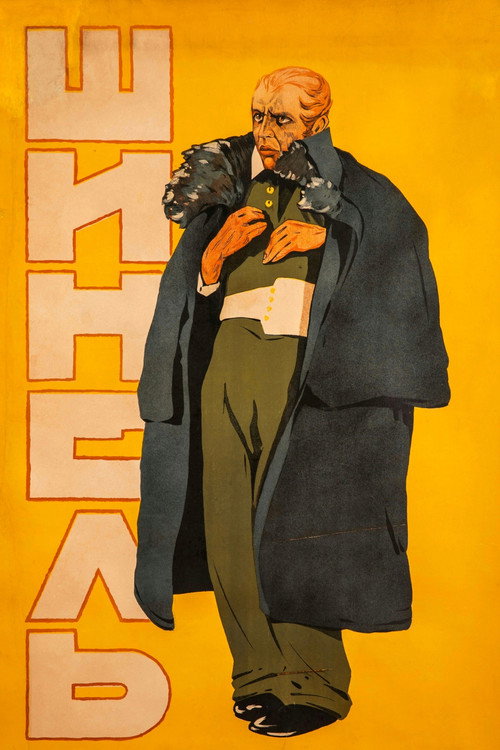
The Overcoat is a foundational work of montage cinema that emphasizes a critique of class-based power dynamics. While it lacks modern markers of diversity like LGBTQ+ identities or racial diversity, it finds progressive value through its challenge to traditional authority. The film's strength lies in its cultural critique, dismantling the myth of institutional benevolence. However, it remains limited by a heavily male-centric perspective and a lack of gendered ability to act. Ultimately, the work functions as a profound study of how systemic failures impact individuals, using the protagonist's psychological vulnerability to highlight social injustice.
Category Breakdown
The film adheres to a strict binary gender framework and focuses solely on heterosexual relationships. There is no indication of queer themes or diverse gender identities in the storyline.
The story centers around the male experience of a low-ranking civil servant. Women play minor roles and have little influence over the main conflict, reinforcing a patriarchal viewpoint.
The cast is ethnically uniform, reflecting the demographics of 19th-century Russia. This homogeneity mirrors the period's specific demographic realities rather than exclusionary practices.
The film effectively critiques imperial institutions and rigid class structures. It portrays the Tsarist bureaucracy as an oppressive force that crushes individuality and sidelines people.
The film explores psychological fragility and social isolation. The protagonist's extreme withdrawal highlights the mental and social vulnerability caused by systemic issues.
Present on Screen
Limited or Absent
Official Synopsis
Soviet film based on "Nevsky Prospekt" and "The Overcoat" by Nikolai Gogol.
1960

1964
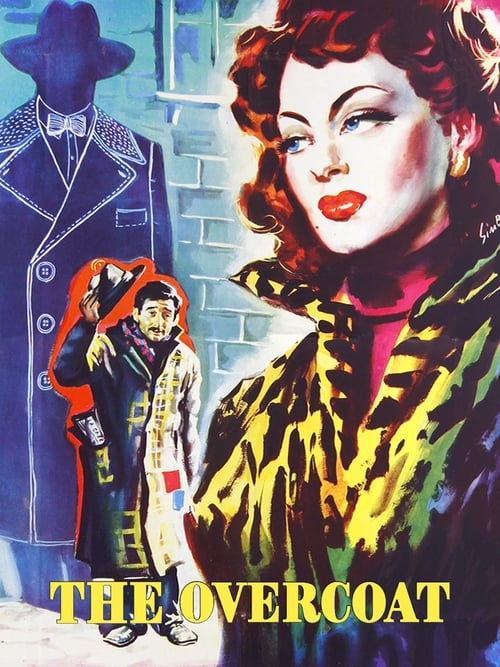
1952
2011
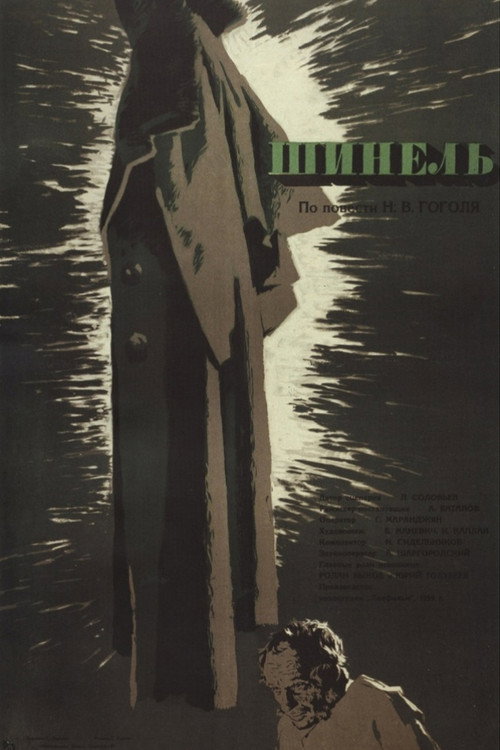
1959
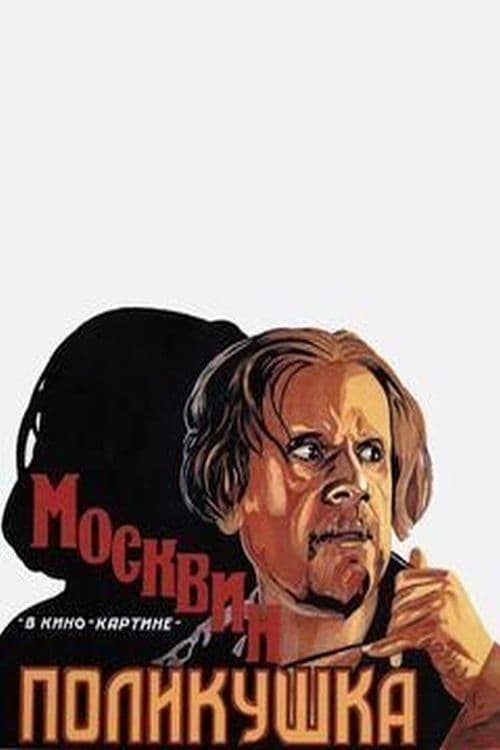
1922
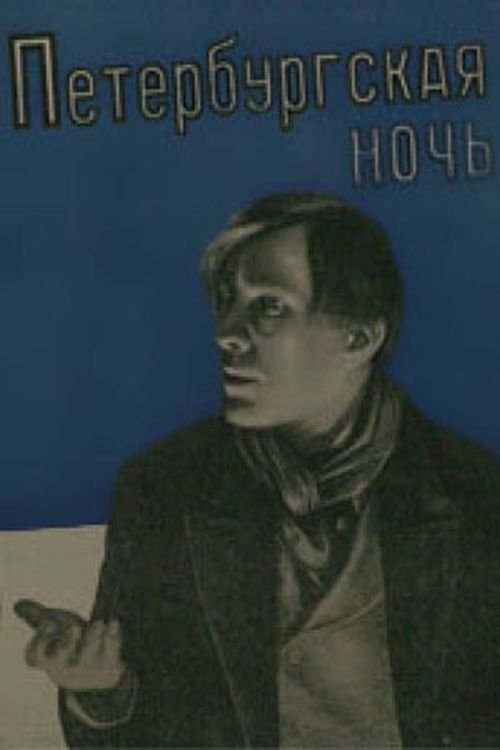
1934
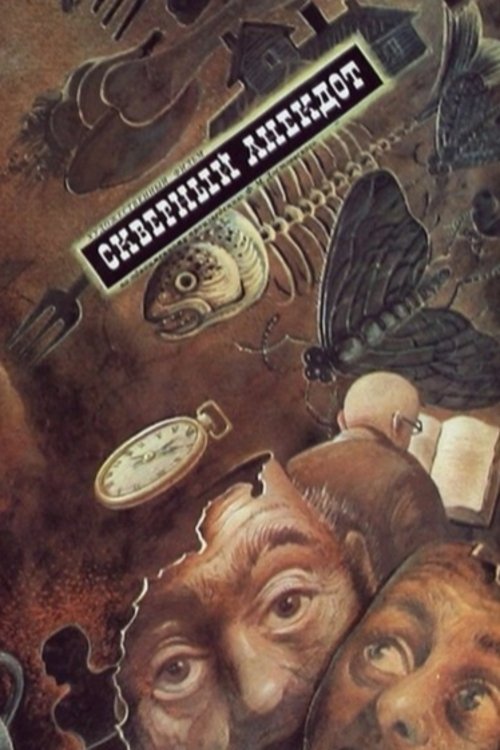
1966
No reviews yet. Be the first to share your thoughts on this movie!
Use the rating form above to leave a star rating and optional review.