
Puppe
2013
No user ratings available yet
Diversity score: 5.6 out of 10
1993
Director
Peter Sehr, Gernot Roll
Runtime
139 minutes
Average Rating
No ratings yetSynopsis
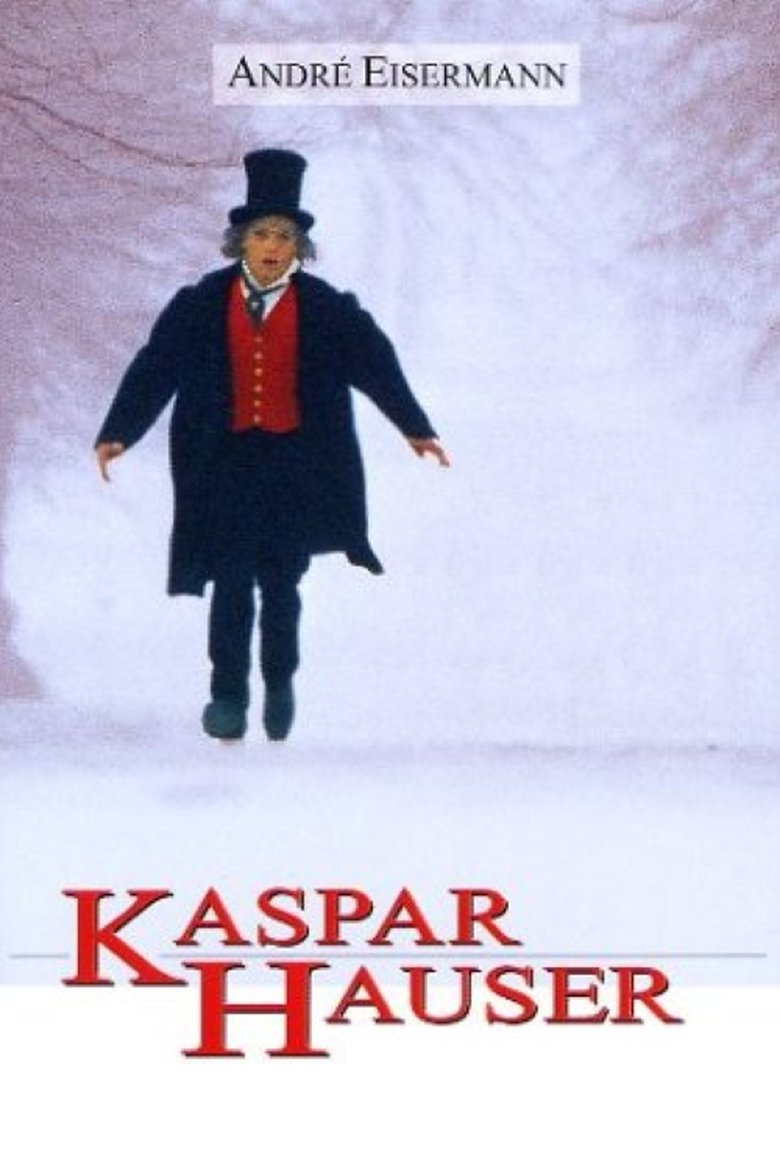
In May 1828, a feral boy aged around 16 was found in Nuremberg. Kaspar Hauser, as he is called, can only speak a few indistinct words and knows nothing about his origins or family. The film depicts the - presumed - circumstances under which Hauser was held captive in complete isolation in a hiding place from infancy onwards. From this emerges the picture of an intrigue involving high circles of aristocratic society. Five years after his liberation, in December 1833, Kaspar Hauser died as a result of a stab wound inflicted by an unknown perpetrator.
Overall Score
Fair
Category Breakdown
LGBTQ+ Representation
The film lacks explicit LGBTQ+ characters or explorations of non-heteronormative identities. The narrative focuses primarily on the protagonist's isolation and the surrounding aristocratic intrigue.
Gender Representation
The story centers on a male protagonist within 19th-century aristocratic circles. While it critiques rigid social hierarchies, it appears to default to traditional gender roles of the era.
Racial & Ethnic Diversity
Set in 1828 Nuremberg, the film operates within a historically homogeneous European context. It focuses on German aristocratic politics rather than utilizing diverse casting to challenge period demographics.
Religious & Cultural Diversity
The film critiques traditional Western institutions by exposing the corruption within high aristocratic circles. It uses the protagonist's victimization to challenge the perceived morality of the ruling class.
Disability Representation
The narrative centers on the protagonist's profound neurodivergence and developmental disability. It offers a complex study of a non-normative individual rather than treating his condition as a mere plot device.
Strengths
Areas for Improvement
AI Analysis
Kaspar Hauser (1993) is a period drama that prioritizes psychological realism and historical deconstruction over modern demographic breadth. Its primary strength lies in its empathetic, sophisticated portrayal of neurodivergence and the struggle of an individual against systemic cruelty. However, the film lacks intersectional representation, offering minimal presence of LGBTQ+ identities or racial diversity. The setting and subject matter keep the narrative firmly within the constraints of a historically homogeneous European aristocracy. Ultimately, the film succeeds as a critique of class hierarchies and institutional power, even if it does not strive for contemporary social diversity.
2013

1995

2011
1997
2005
1975

2005
1975

1998
1970

1968

2013
No reviews yet. Be the first to share your thoughts on this movie!
Use the rating form above to leave a star rating and optional review.