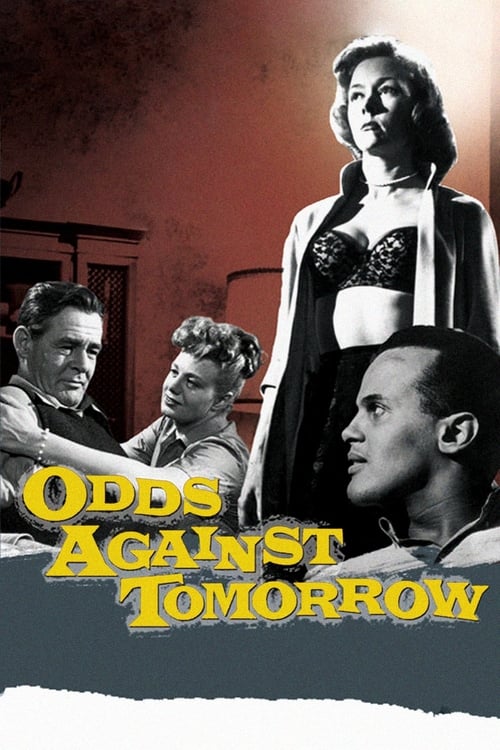
Odds Against Tomorrow
1959
No user ratings available yet
Diversity score: 5.9 out of 10
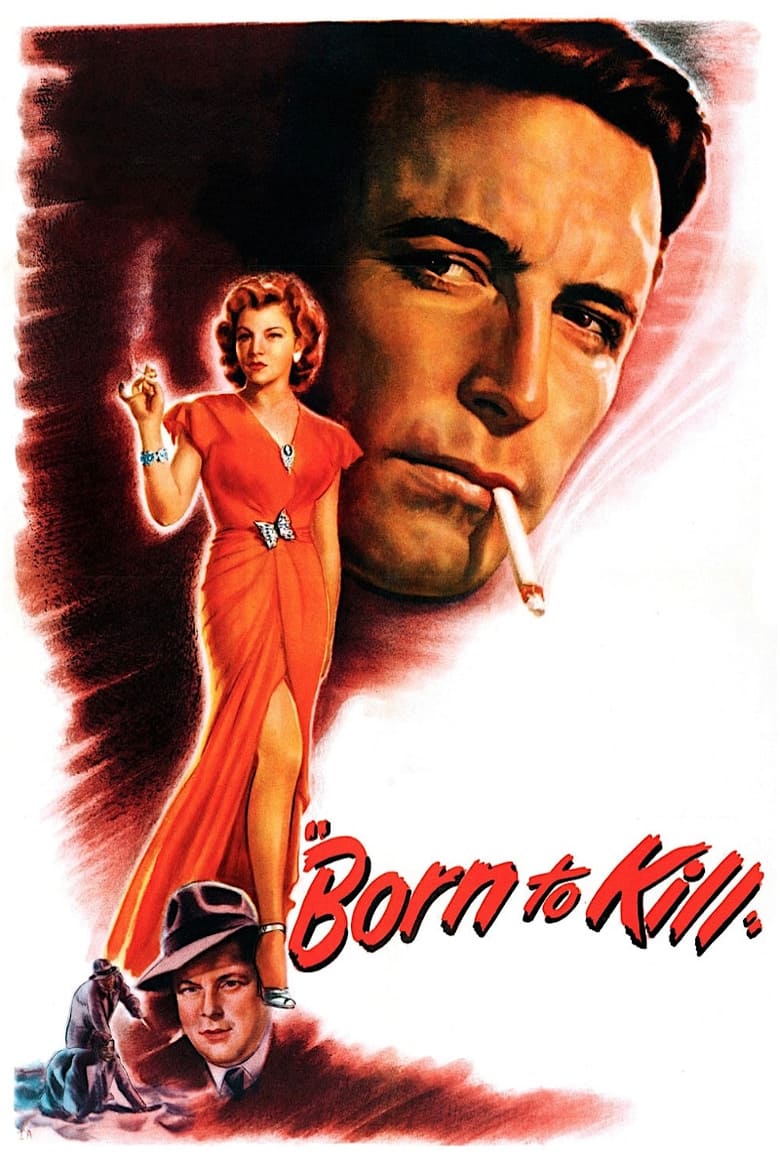
1947
NRDirector
Robert Wise
Runtime
92 minutes
Average Rating
No ratings yetSynopsis
A calculating divorcée risks her chances at wealth and security with a man she doesn't love by getting involved with a hotheaded murderer.
Overall Score
Limited
Category Breakdown
LGBTQ+ Representation
The film follows a strictly heteronormative structure. It focuses entirely on the transactional and romantic tension between the male and female leads.
Gender Representation
The female lead displays calculated agency within a noir setting. However, the story remains centered on traditional, dysfunctional power struggles and patriarchal hierarchies.
Racial & Ethnic Diversity
The cast and narrative focus are overwhelmingly homogeneous. The film offers negligible representation of the diverse ethnic landscape of post-WWII Los Angeles.
Religious & Cultural Diversity
The story presents a nihilistic view of post-war society. It focuses on individual psychological decay rather than a systemic critique of social institutions.
Disability Representation
Psychological trauma drives the plot through the 'troubled veteran' trope. This depiction uses mental instability primarily as a device for suspense and tension.
Strengths
Areas for Improvement
AI Analysis
Born to Kill is a character study of individual pathology that operates within a very narrow demographic framework. While it subverts the 'heroic soldier' archetype by presenting a violent, unstable protagonist, it does so without expanding the film's social or cultural scope. The narrative lacks intersectional depth, focusing almost exclusively on a white, male-centric perspective of post-war disillusionment. This homogeneity limits the film's engagement with the broader social realities of the era. Ultimately, the film functions as a traditional noir that uses psychological instability and gendered power struggles to drive tension, rather than to challenge systemic social structures.
1959
1945
1956
1946
1946
1945
1950
1954
1950

1954
1950
1958
No reviews yet. Be the first to share your thoughts on this movie!
Use the rating form above to leave a star rating and optional review.