Witness to Murder
1954
No user ratings available yet
Representation score: 0.4 out of 10
Representation Score
Limited
1956
Director
Muriel Box
Runtime
82 minutes
Average Rating
No ratings yetNew Showbiz Analysis
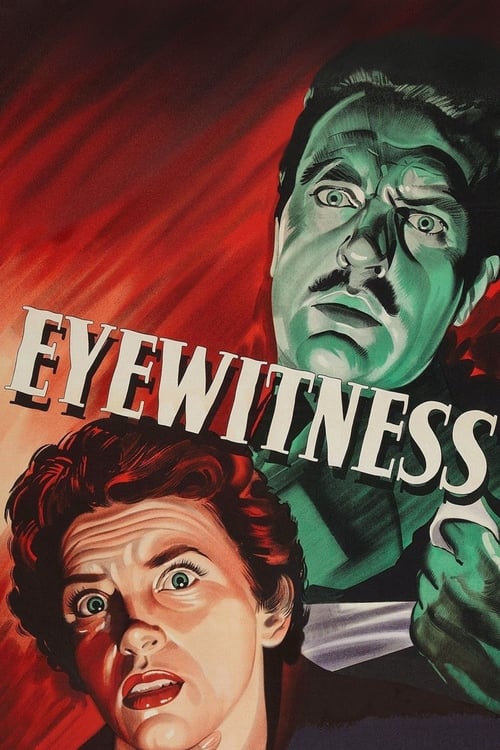
Eyewitness is a period-accurate psychological thriller that emphasizes genre clichés over social disruption. The film reflects the demographic and social constraints of 1956 Britain, resulting in a highly conventional presentation of identity. The narrative relies on a homogeneous cast and traditional social roles. While the central plot utilizes physical vulnerability to drive tension, it lacks the depth needed for nuanced representation of disability or multi-layered identities. Ultimately, the film studies communal suspicion within a closed, culturally singular environment, offering little engagement with underrepresented groups or progressive social critiques.
Category Breakdown
The film does not include any LGBTQ+ characters or narratives. It strictly follows the social norms of mid-1950s Britain without challenging traditional sexual orientations.
Muriel Box directs within the traditional frameworks of mid-century filmmaking. While she brings a unique perspective as a female director, women's roles remain centered around the victim archetype.
The cast is uniform, reflecting a rural English village setting. The story lacks racial or ethnic diversity and does not feature non-white characters.
The story explores communal paranoia and mob mentality. It focuses on individual truth without critiquing Western institutions or religious structures systematically.
The protagonist's physical incapacity mainly serves as a suspense element. This approach risks portraying the character as a passive recipient of trauma rather than someone who actively shapes their circumstances.
Present on Screen
Limited or Absent
Official Synopsis
Lucy Church, the sole witness to a fatal robbery, is struck by a passing bus and her life lies in the balance as the thieves wait for a chance to finish her off.
1954
1955
1950

1958
1951
1955
1946
1950
No reviews yet. Be the first to share your thoughts on this movie!
Use the rating form above to leave a star rating and optional review.