Thieves' Highway
1949
No user ratings available yet
Representation score: 1.5 out of 10
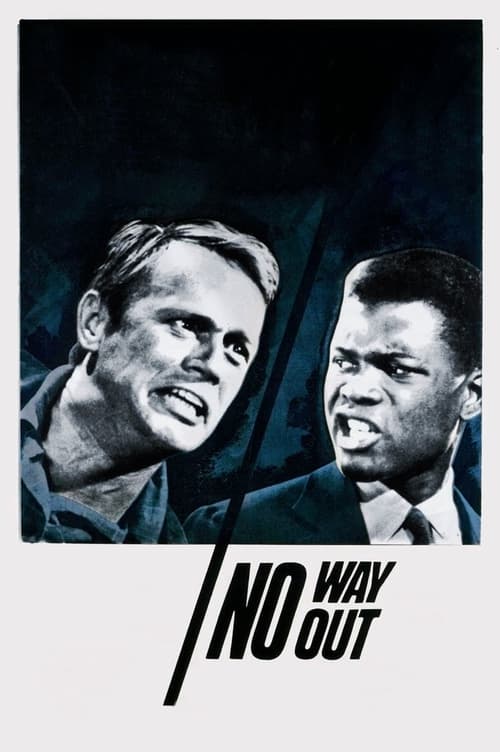
Representation Score
Minimal
1950
NRDirector
Joseph L. Mankiewicz
Runtime
106 minutes
Average Rating
No ratings yetNew Showbiz Analysis
No Way Out is a classic example of mid-century noir that emphasizes suspense and social reputation over systemic critique. It adheres closely to the era's established social norms, providing a historical snapshot of 1950s storytelling. While the film offers more depth to its female characters compared to many of its contemporaries, it lacks multi-layered complexity. The narrative remains focused on individual drama rather than challenging traditional social hierarchies. The film's approach to race and culture reflects the period's demographic status quo, using racial tension as a plot device without broadening the social landscape.
Category Breakdown
The film does not include any representations of LGBTQ+ individuals or non-straight relationships. It operates within a framework that assumes everyone is straight or cisgender.
Women play important roles in driving the story forward. They are central to the narrative tension, though the film uses the femme fatale cliché.
The cast is mostly white, reflecting the era's demographics. A central Black doctor adds racial tension to the plot, but the overall social circle remains homogeneous.
The film follows a traditional mid-century moral framework. It focuses on individual responsibility and legal processes without critiquing Western institutions like religion.
There are no significant or meaningful depictions of physical or neurodivergent disabilities in the main characters.
Present on Screen
Limited or Absent
Official Synopsis
Two hoodlum brothers are brought into hospital for gunshot wounds, and when one dies, the other accuses their Black doctor of murder.
1949
1947
1974
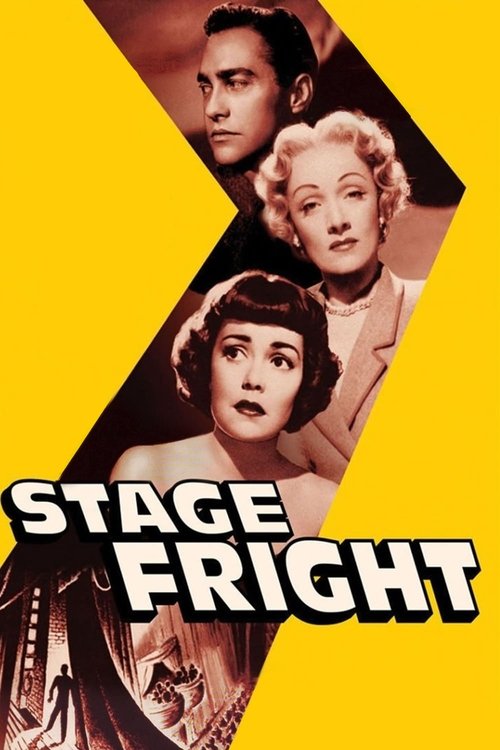
1950
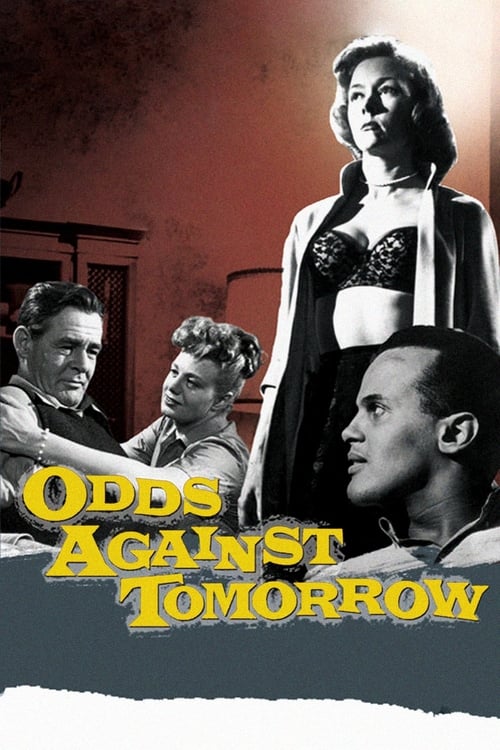
1959
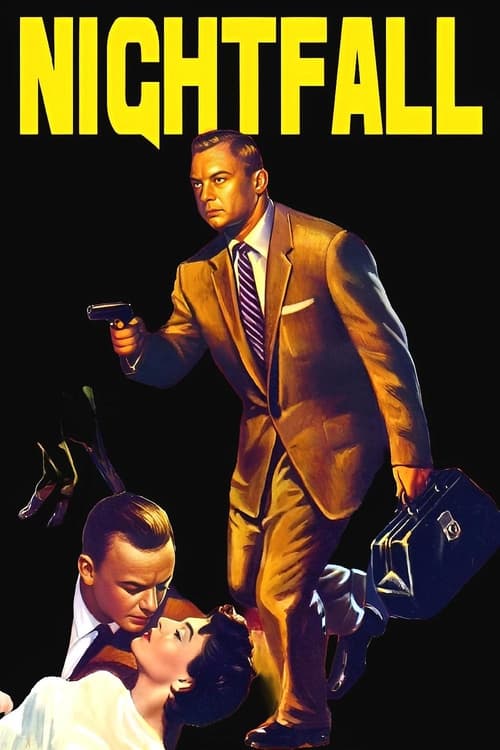
1956
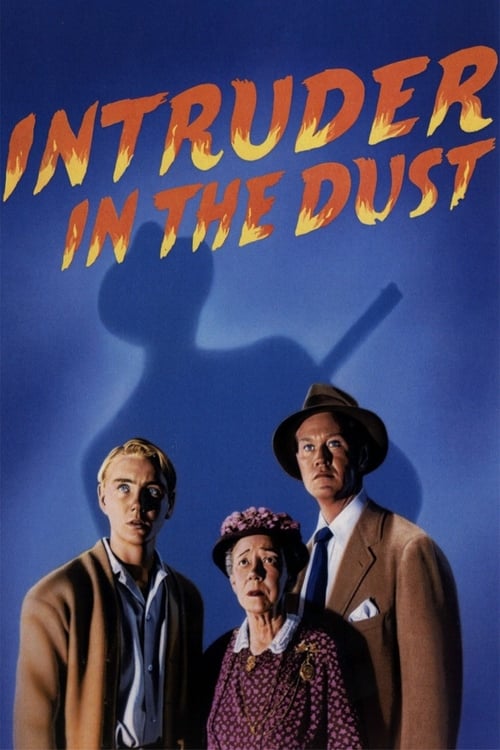
1949
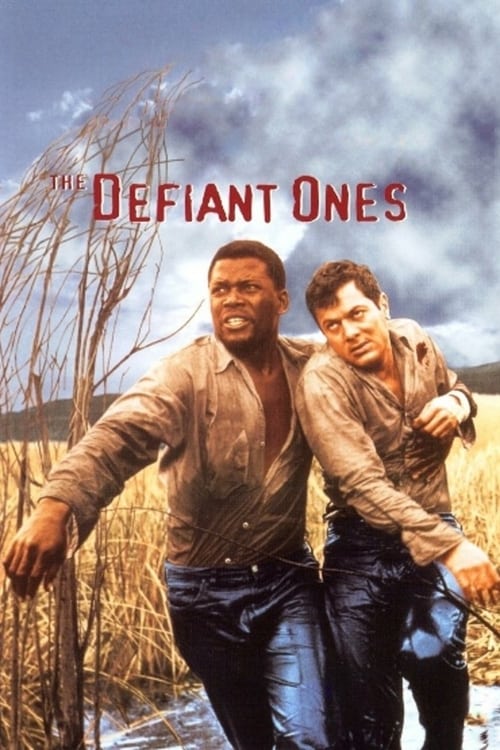
1958
No reviews yet. Be the first to share your thoughts on this movie!
Use the rating form above to leave a star rating and optional review.