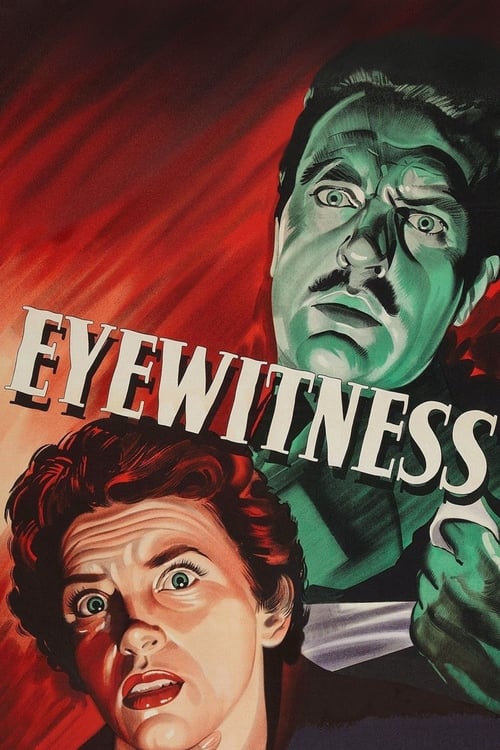
Eyewitness
1956
No user ratings available yet
Diversity score: 2.2 out of 10
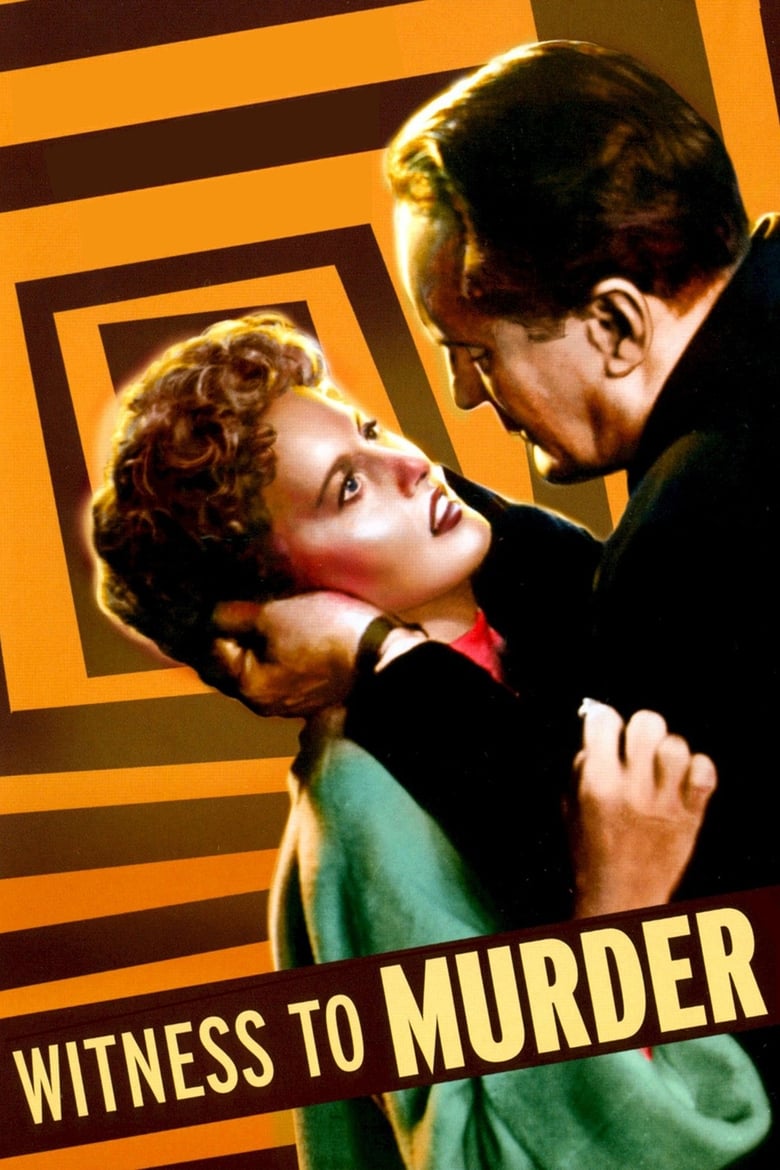
1954
NRDirector
Roy Rowland
Runtime
83 minutes
Average Rating
No ratings yetSynopsis
A woman fights to convince the police that she witnessed a murder while looking out her bedroom window.
Overall Score
Minimal
Category Breakdown
LGBTQ+ Representation
The film lacks any discernible presence of LGBTQ+ characters. The social landscape is entirely cisnormative, reflecting the cinematic constraints of the 1950s.
Gender Representation
While a woman drives the plot as a witness, agency remains concentrated in male-driven law enforcement dynamics. Female characters largely occupy traditional mid-century domestic and supportive archetypes.
Racial & Ethnic Diversity
The production features a predominantly homogeneous white cast. There is no evidence of characters of color in positions of agency or racial blending.
Religious & Cultural Diversity
The film operates within a framework of traditional Western values. It depicts established social structures and law enforcement as the primary arbiters of justice.
Disability Representation
No visible or invisible disabilities are utilized as central narrative elements. There is no representation of neurodivergent or physical disabilities within the character arcs.
Strengths
Areas for Improvement
AI Analysis
Witness to Murder is a quintessential mid-century crime thriller that prioritizes suspense over social exploration. The film adheres strictly to the narrative and social architectures of the 1950s studio system, reinforcing the status quo of its era. The casting and character dynamics reflect a homogeneous demographic profile. The narrative relies on traditional hierarchies, offering little in the way of contemporary intersectional complexity or the subversion of established social orders. Ultimately, the film functions as a standard procedural. It reinforces mid-century norms regarding gender and social stability rather than attempting to deconstruct systemic power dynamics.
1956
1951
1945
1958
1946
1951
1947
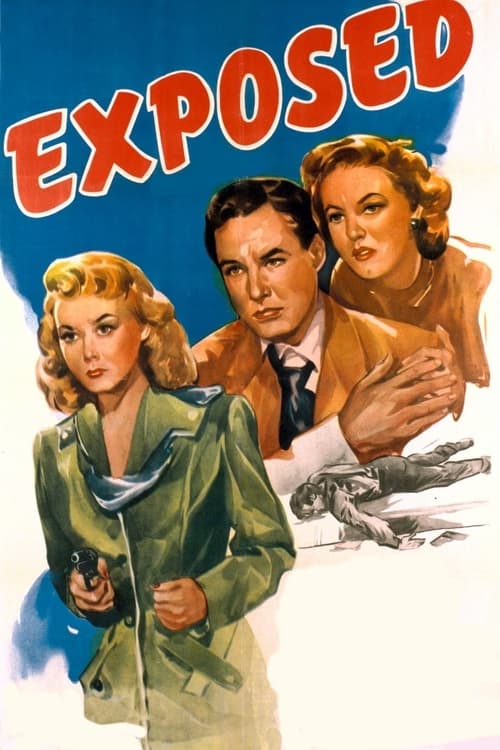
1947
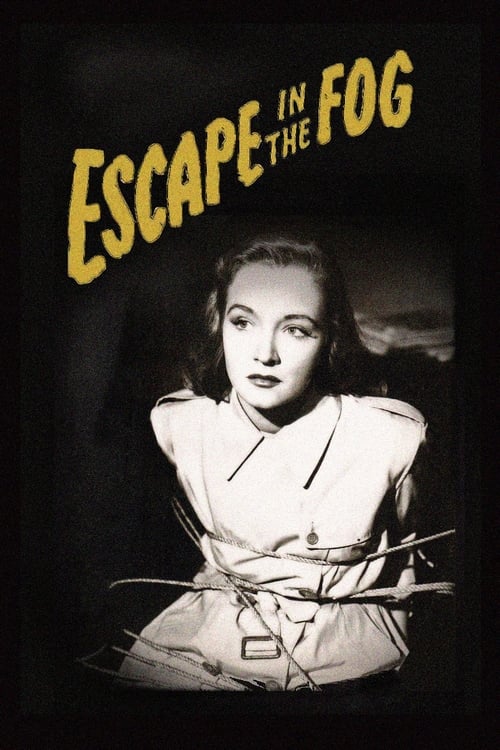
1945
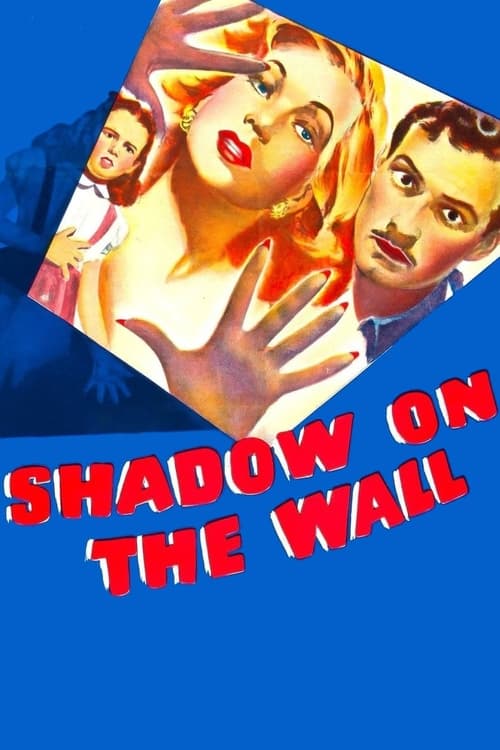
1950
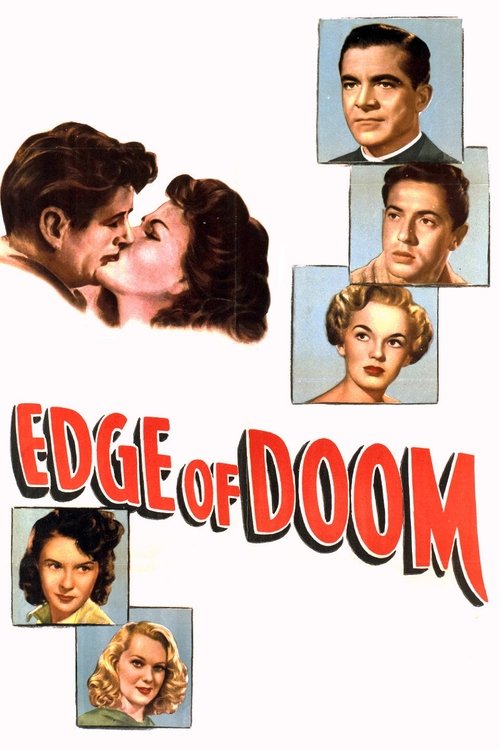
1950
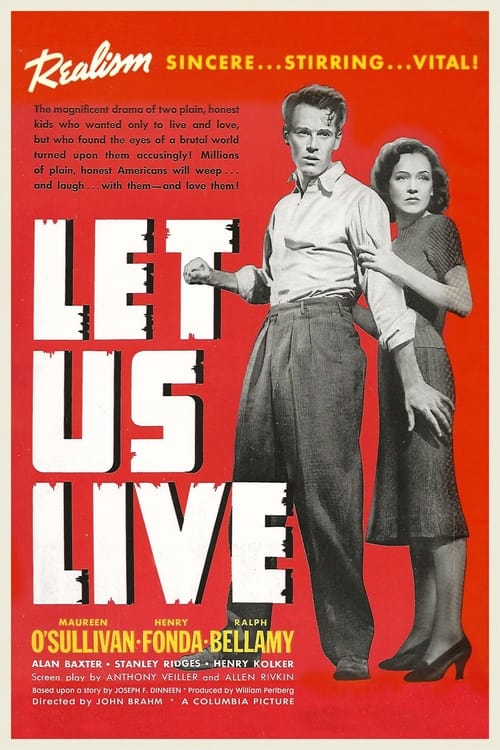
1939
No reviews yet. Be the first to share your thoughts on this movie!
Use the rating form above to leave a star rating and optional review.