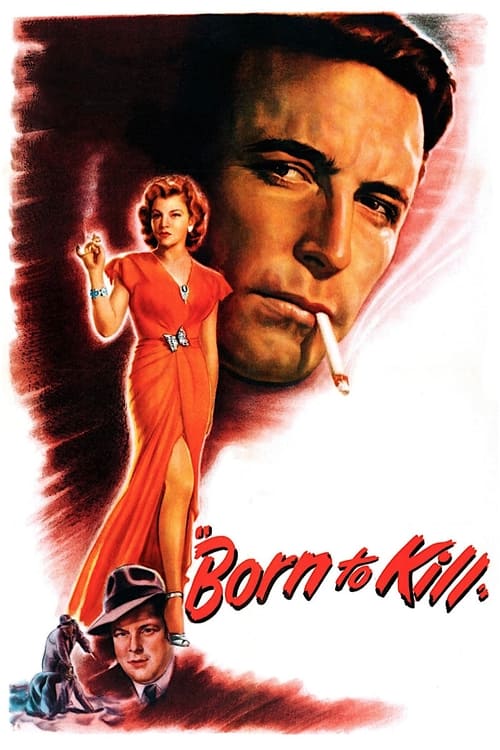
Born to Kill
1947
No user ratings available yet
Representation score: 2.5 out of 10
Representation Score
Limited
1950
NRDirector
Pat Jackson
Runtime
84 minutes
Average Rating
No ratings yetNew Showbiz Analysis
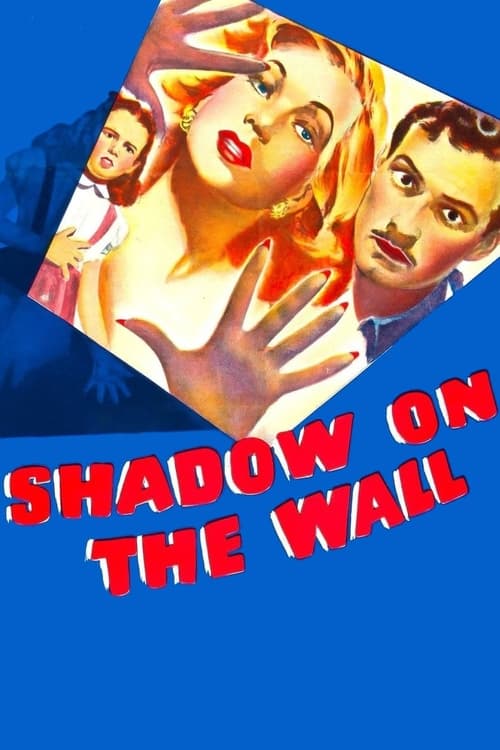
Shadow on the Wall is a product of its era, prioritizing mid-century crime clichés over social diversity. The narrative centers on a domestic tragedy driven by jealousy and legal consequences, offering little room for perspectives that reflect multiple aspects of identity. The film's structure relies on conventional character archetypes. While the female lead drives the plot through her criminal actions, her motivations are tied to traditional gendered conflicts involving marriage and romantic betrayal. Ultimately, the film lacks representation across most social categories. It functions as a localized, homogeneous drama that uses mental health and gendered rivalry to fuel its thriller elements without challenging established social hierarchies.
Category Breakdown
The film focuses on a traditional heterosexual domestic conflict. There is no evidence of LGBTQ+ identities or critiques of the assumption that everyone is straight or cisgender.
The protagonist Dell plays a significant role in driving the story through her violent actions, but her motivations are rooted in romantic rivalry. Female characters are primarily defined by their relationships to men.
The narrative follows a standard mid-century Western crime structure. There is no indication of a non-white majority cast or diverse ethnic perspectives.
The story adheres to traditional moral structures regarding crime and punishment. It focuses on personal retribution rather than critiques of Western institutions.
Mental health is used as a plot device through Susan's psychiatric treatment. This likely serves as a tension-building element rather than a nuanced portrayal of neurodivergence.
Present on Screen
Limited or Absent
Official Synopsis
Angered that her sister Celia has stolen her fiance, Dell Faring kills her and allows Celia's husband David, knocked out in an argument with Celia, to take the blame and end up on death row. Later Dell, finding out that David's young daughter Susan was witness to the crime and is undergoing psychiatric treatment, plans to eliminate her before her memory returns.
1947

1958
1946
1949
1956
1955
1945
1944
No reviews yet. Be the first to share your thoughts on this movie!
Use the rating form above to leave a star rating and optional review.