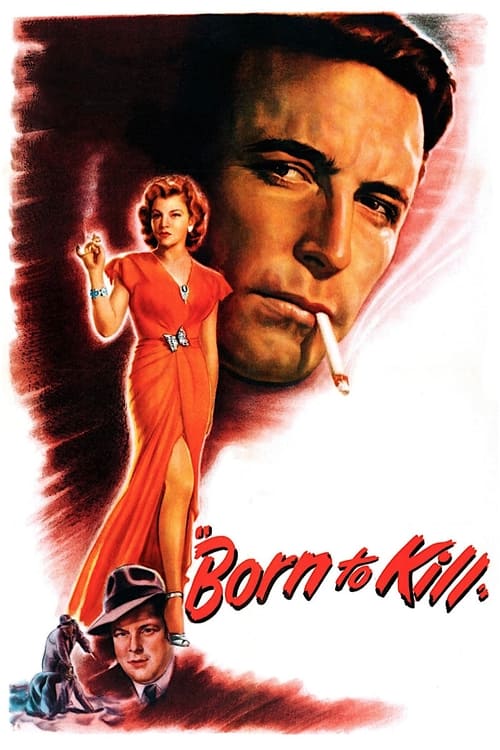
Born to Kill
1947
No user ratings available yet
Diversity score: 2.3 out of 10
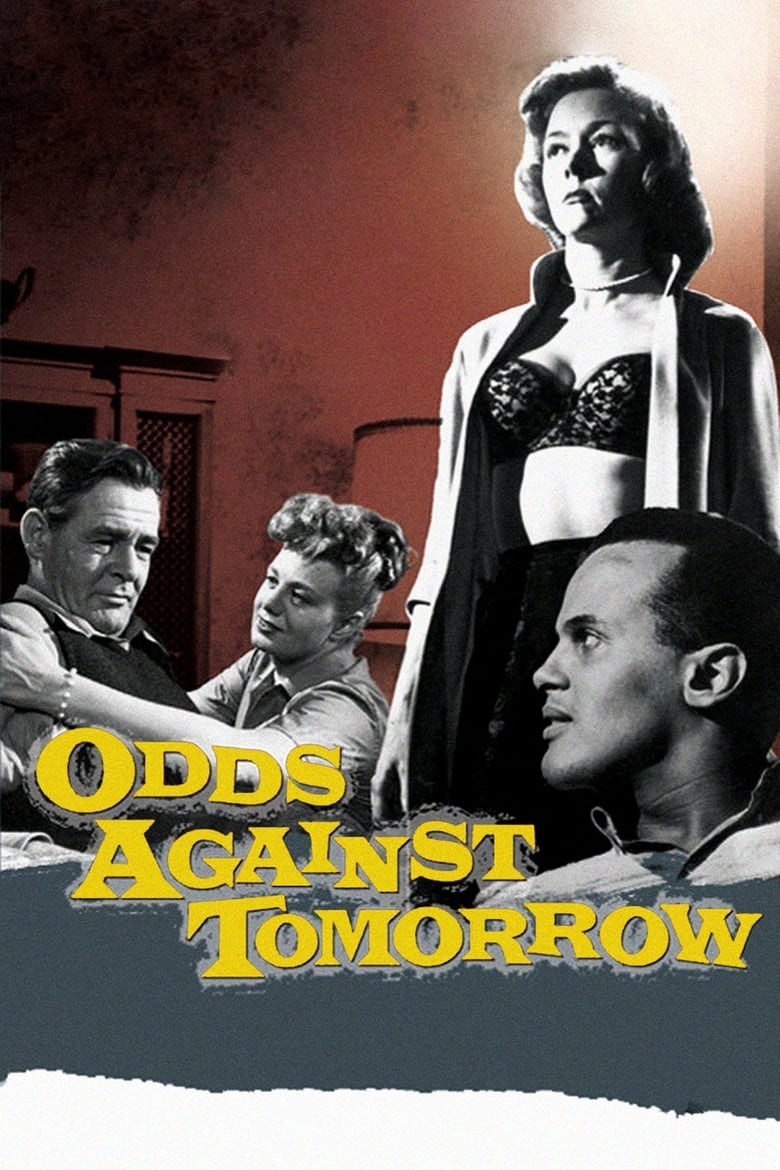
1959
NRDirector
Robert Wise
Runtime
96 minutes
Average Rating
No ratings yetSynopsis
An old-time crook plans a heist. When one of his two partners is found out to be a black man tensions flare.
Overall Score
Fair
Category Breakdown
LGBTQ+ Representation
The film focuses exclusively on the interpersonal dynamics of three male protagonists. There is no presence of LGBTQ+ identities or non-heteronormative relationship structures.
Gender Representation
This is a highly male-centric genre piece. Female characters are peripheral or absent, leaving the narrative to focus entirely on masculine archetypes of criminality.
Racial & Ethnic Diversity
The film is a landmark achievement, centering an all-Black cast within a genre historically reserved for white protagonists. The characters possess high agency and psychological complexity.
Religious & Cultural Diversity
The narrative offers a critique of economic exclusion and systemic injustice. It frames criminal actions as survival strategies against hostile social structures and institutions.
Disability Representation
The film does not explicitly center characters with visible or invisible disabilities as a primary narrative component.
Strengths
Areas for Improvement
AI Analysis
Robert Wise delivers a sophisticated crime drama that subverts mid-century genre expectations. By centering an all-Black cast, the film disrupts the era's standard escapist narratives, replacing them with a gritty, character-driven study of systemic friction and survival. The film's strength lies in its profound cultural critique. It uses the heist framework to explore anti-capitalist subtext and the corrosive effects of suspicion within marginalized communities, providing significant narrative agency to its protagonists. However, the film remains constrained by its era's genre tropes. The near-total absence of female characters and any LGBTQ+ representation results in a narrow, masculine-focused perspective that limits its broader social scope.
1947
1974
1975
1961

1955
1957
1951

1957

1958
1956
1957
1965
No reviews yet. Be the first to share your thoughts on this movie!
Use the rating form above to leave a star rating and optional review.