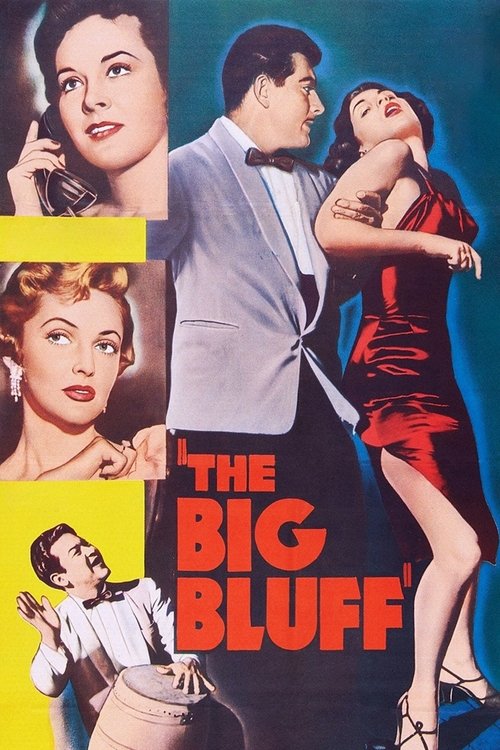
The Big Bluff
1955
No user ratings available yet
Representation score: 0.5 out of 10
Representation Score
Limited
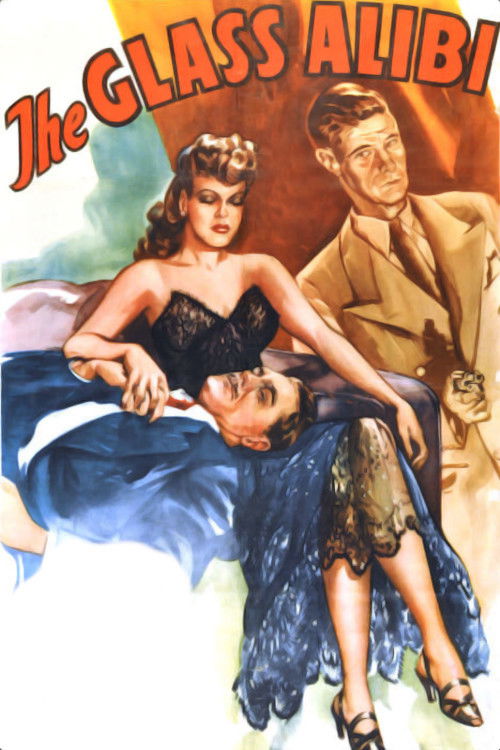
1946
NRDirector
W. Lee Wilder
Runtime
68 minutes
Average Rating
No ratings yetNew Showbiz Analysis
The Glass Alibi is a typical mid-century crime thriller that upholds traditional hierarchies. The narrative structure emphasizes male control and patriarchal dominance, using female characters primarily as catalysts for the protagonist's criminal schemes. Representation is limited across all categories. The film adheres to the era's standard of depicting homogeneous, white social structures and lacks any effort to challenge established norms or provide diverse perspectives. Ultimately, the film operates within conventional noir clichés. It focuses on individual greed and personal moral failings without offering meaningful social commentary or diverse viewpoints.
Category Breakdown
The film does not include any characters with LGBTQ+ identities or non-assuming gender matches what was assigned at birth backgrounds. The story revolves around a predatory heterosexual relationship.
The plot centers on a male protagonist who drives the action through strategic decisions. The female lead is portrayed as a passive object of desire and a victim of circumstances.
The cast appears uniform, focusing on white, middle-to-upper-class individuals. There is no representation of non-white or non-Anglo-Saxon characters.
The story examines individual greed without broader socio-political critique. Marriage is framed as a financial transaction without addressing larger societal issues.
Illness is used as a central narrative device and plot convenience. The character's condition serves the antagonist's goals without exploring the lived experience of disability.
Present on Screen
Limited or Absent
Official Synopsis
Eying a large inheritance, a reporter marries a rich woman with failing health. When she begins feeling healthy after the wedding, the reporter takes drastic measures to make sure his wife dies.
1955

1958

1947
1941
1945
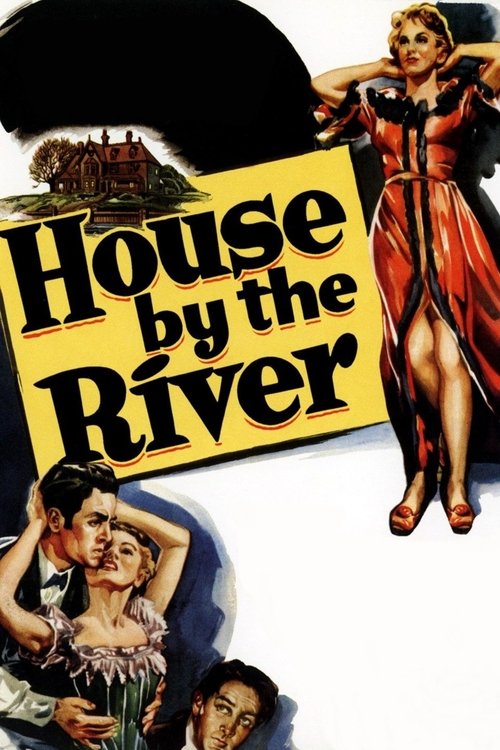
1950
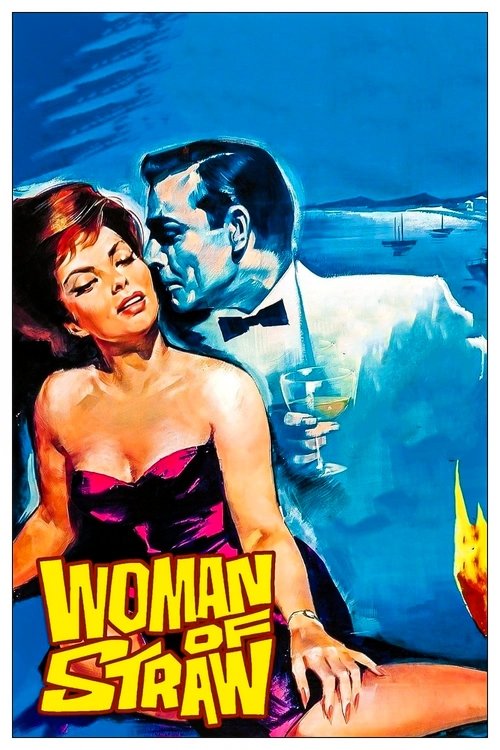
1964
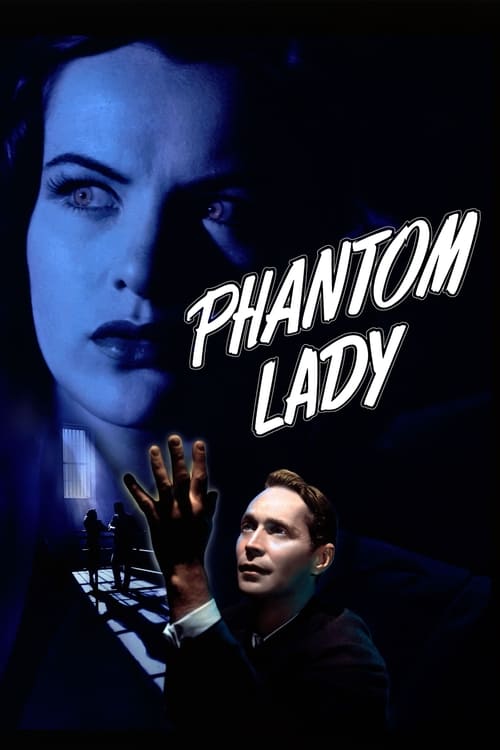
1944
No reviews yet. Be the first to share your thoughts on this movie!
Use the rating form above to leave a star rating and optional review.