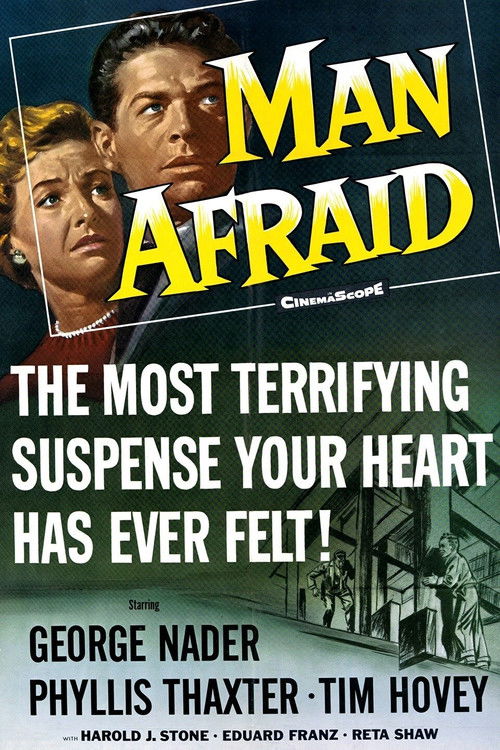
Man Afraid
1957
No user ratings available yet
Representation score: 2.0 out of 10
Representation Score
Limited
1950
NRDirector
Mark Robson
Runtime
99 minutes
Average Rating
No ratings yetNew Showbiz Analysis
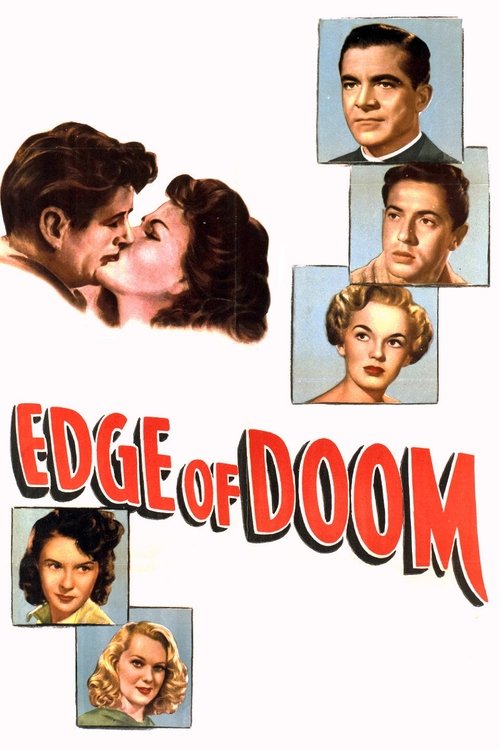
Edge of Doom is a mid-century psychological thriller that emphasizes the internal pressures of the medical establishment over social critique. The film adheres to the demographic norms and hierarchies of the 1950s, resulting in a limited social scope. The narrative uses psychiatric instability to drive suspense but relies on era-specific clinical clichés. It lacks complexity in addressing multiple aspects of identity, focusing instead on individual guilt and the preservation of institutional order. Ultimately, the film reinforces traditional Western structures rather than challenging them.
Category Breakdown
The film does not include any LGBTQ+ characters or explore non-straight relationships. The interpersonal dynamics are confined to traditional romantic and professional roles.
Female characters play important emotional roles but are mainly defined by their relationships to the male protagonist. The narrative upholds traditional gender roles without challenging them.
The cast is predominantly white, reflecting the demographic makeup of the 1950s. The story does not address racial or ethnic diversity.
The story centers on maintaining institutional order and professional reputation. It adheres to traditional Western moral values without questioning religion or family structures.
Mental illness is a key element in the narrative, often used to create tension. Characters with mental health issues serve primarily as plot devices.
Present on Screen
Limited or Absent
Official Synopsis
A priest sets out to catch the man who killed one of his colleagues.
1957
1951
1950
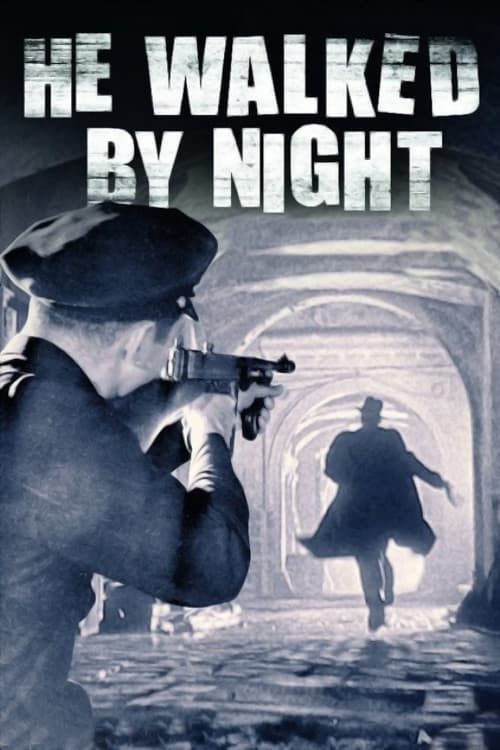
1949
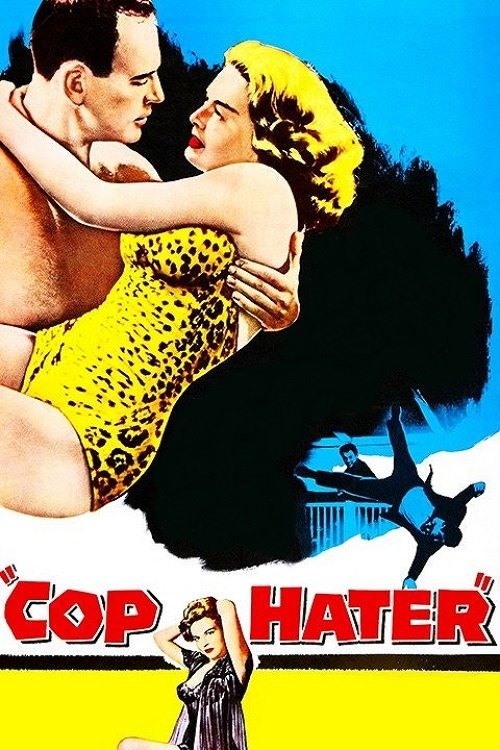
1958

1958
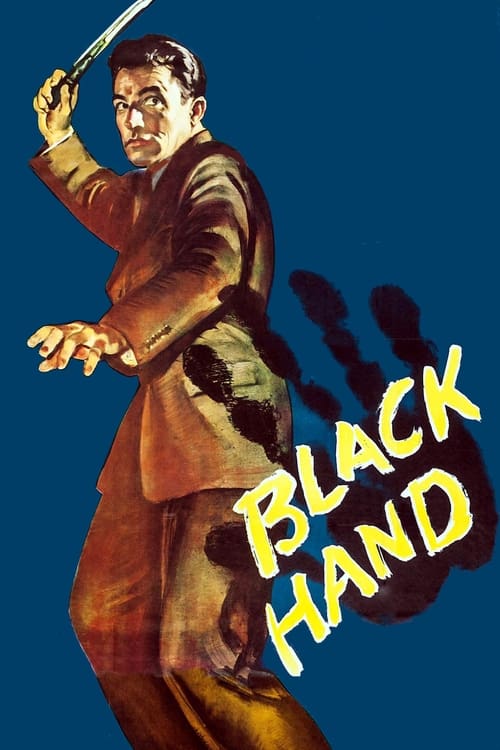
1950
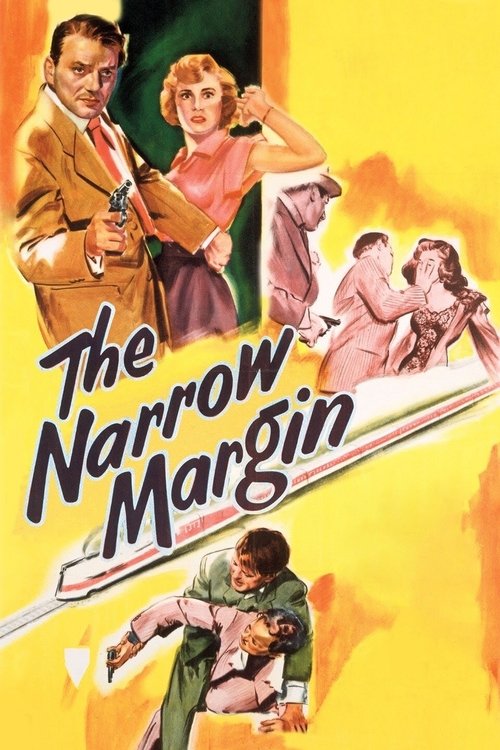
1952
No reviews yet. Be the first to share your thoughts on this movie!
Use the rating form above to leave a star rating and optional review.