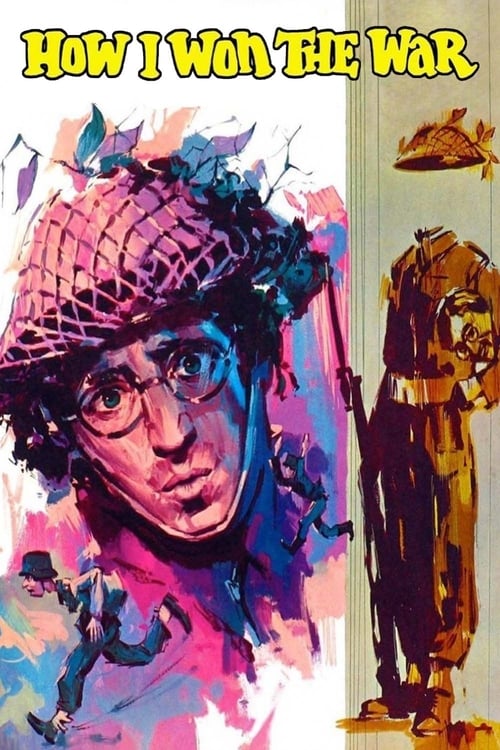
How I Won the War
1967
No user ratings available yet
Diversity score: 3.2 out of 10
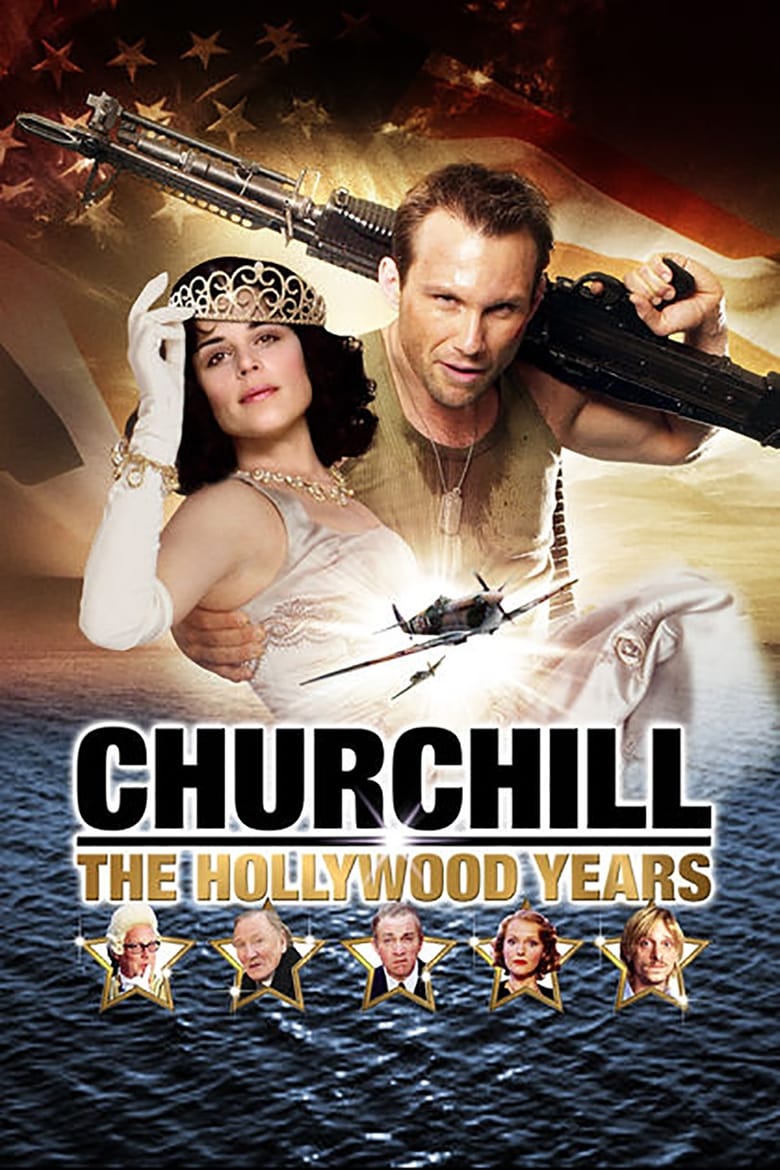
2004
Director
Peter Richardson
Runtime
84 minutes
Average Rating
No ratings yetSynopsis
A group of American executives making a film about World War II decide that since their lead is rather unglamorous, they will draft in an American G.I. to play the part of Winston Churchill. Their take on the war depicts a handsome Churchill falling in love with Princess Elizabeth, who is herself involved in the war as an undercover agent.
Overall Score
Fair
Category Breakdown
LGBTQ+ Representation
The film centers on a heteronormative romance between a reimagined Churchill and Princess Elizabeth. There is no visible evidence of queer agency or non-cisnormative identities within the narrative.
Gender Representation
Princess Elizabeth is reimagined as an active undercover agent rather than a passive royal. This subversion grants female characters agency and combat-oriented utility rarely seen in period-typical wartime stories.
Racial & Ethnic Diversity
The story maintains a Western-centric, Anglo-American focus. It lacks evidence of a diverse cast or the inclusion of non-white perspectives, remaining within a traditional, homogeneous framework.
Religious & Cultural Diversity
The film satirically critiques how Western media commodifies and distorts history. By prioritizing glamour over reality, it deconstructs the integrity of traditional Western national myths and historical reverence.
Disability Representation
There is no discernible information regarding the portrayal of physical or neurodivergent disabilities in this production.
Strengths
Areas for Improvement
AI Analysis
Churchill: The Hollywood Years functions primarily as a satirical critique of Western media institutions. Its strength lies in subverting historical tropes, particularly by granting Princess Elizabeth an active, agentic role in the war effort. This challenges the era's typical depiction of women as secondary figures. However, the film is limited by a narrow demographic scope. The narrative remains heavily centered on Anglo-American perspectives, lacking racial and LGBTQ+ intersectionality. This creates a homogeneous environment that misses opportunities for broader representation. Ultimately, the work is more successful at deconstructing historical sanctity than at providing a diverse social tapestry. It uses absurdity to highlight the artificiality of manufactured history rather than expanding its cultural breadth.
1967

1959
1963
1966

1972
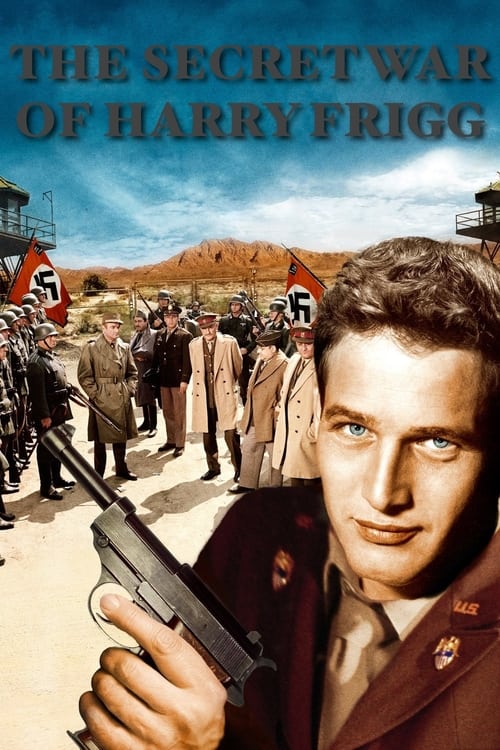
1968
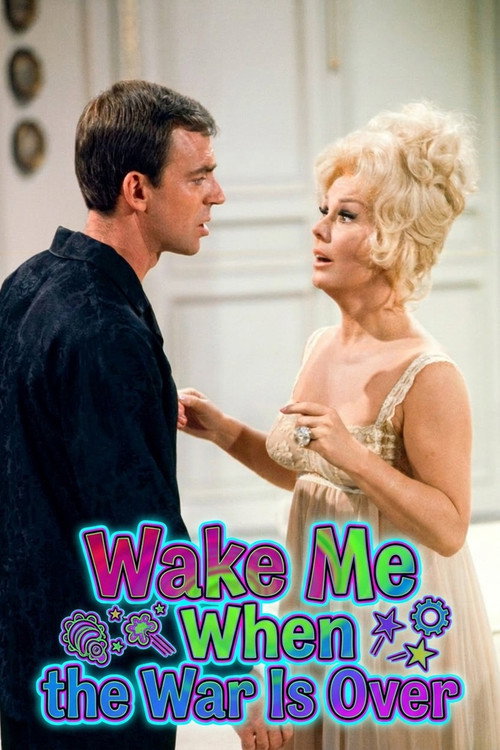
1969
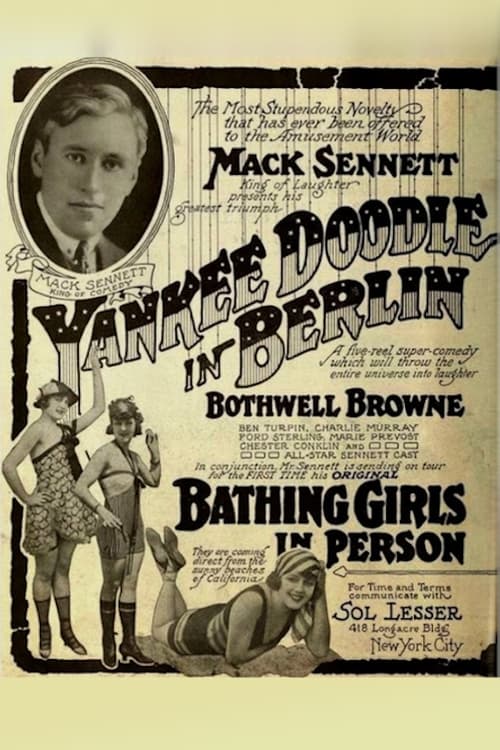
1919
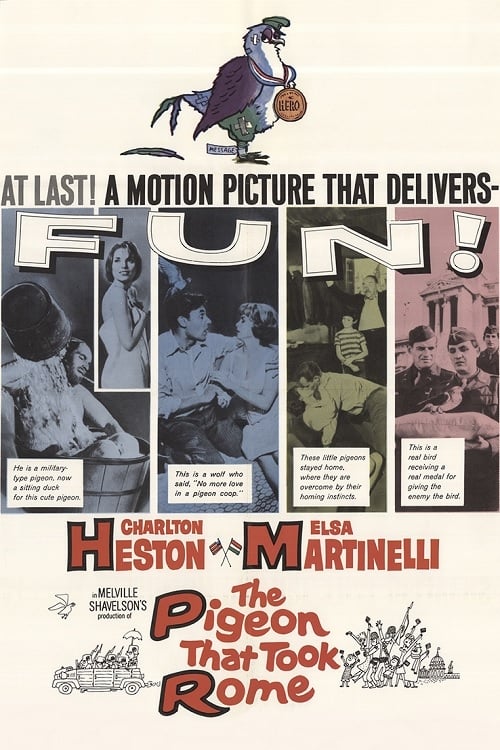
1962
1944
1970

2025
No reviews yet. Be the first to share your thoughts on this movie!
Use the rating form above to leave a star rating and optional review.