A Highly Committed Film
1980
No user ratings available yet
Diversity score: 5.6 out of 10
1972
Director
Julian Józef Antonisz
Runtime
8 minutes
Average Rating
No ratings yetSynopsis
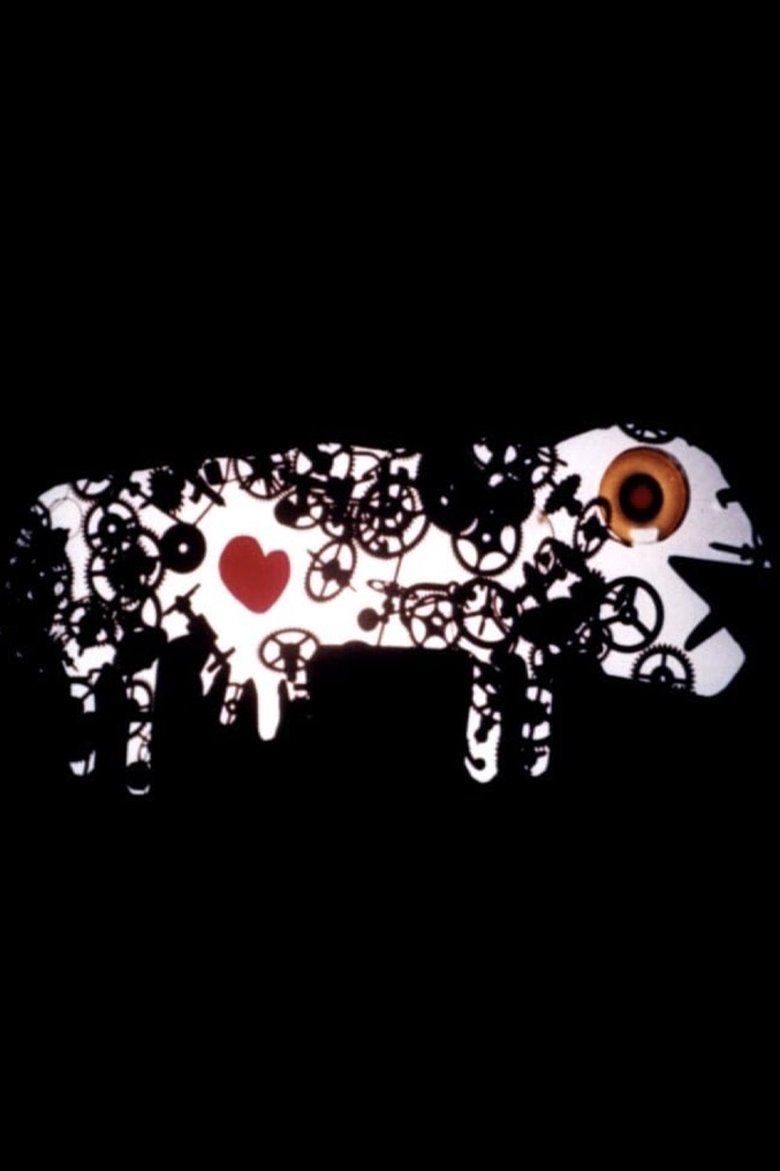
Polish animated short film that uses unconventional film techniques such as cut-out, drawing, filming miscible fluids and scratched images. Also uses non-camera technique such as drawing directly on film. The film is a humorous lecture on the internal structure of a dachshund. Parodying popular lectures at the same time, it contains a message about the superiority of the products of living organisms' techniques and calls for respect for the environment.
Overall Score
Fair
Category Breakdown
LGBTQ+ Representation
The film focuses on biological structures rather than character-driven narratives. While it lacks explicit LGBTQ+ themes, its radical visual style rejects mainstream heteronormative animation standards.
Gender Representation
By parodying the academic lecture, the film subverts the patriarchal authority typically found in such formats. It deconstructs the traditional hierarchy of the expert lecturer through humor.
Racial & Ethnic Diversity
This Polish production operates within a specific European context. The focus on organic processes and environmental respect offers a universalist perspective that transcends traditional racial hierarchies.
Religious & Cultural Diversity
The narrative promotes ecological respect and critiques human-centric perspectives. It aligns with progressive environmentalist thought by valuing the natural world over institutionalized, human-made systems.
Disability Representation
The film's focus on internal biological structures and experimental animation provides no evidence regarding the representation of physical disability or neurodivergence.
Strengths
Areas for Improvement
AI Analysis
Julian Józef Antonisz delivers a subversive, avant-garde lecture that replaces traditional cinematic polish with raw, tactile experimentation. The film's strength lies in its structural disruption of authority and its ecological messaging. Rather than focusing on interpersonal character studies, the work uses biological metaphors to challenge anthropocentric views. It succeeds as a critique of institutionalized knowledge through its unique, non-hierarchical perspective. However, the lack of human characters and explicit social identity arcs limits its ability to score highly in traditional representation categories. It remains a specialized piece of experimental cinema.
1980
1978

1957
1963
2019
1981
1976
1994

1959

2014
1969
1967
No reviews yet. Be the first to share your thoughts on this movie!
Use the rating form above to leave a star rating and optional review.