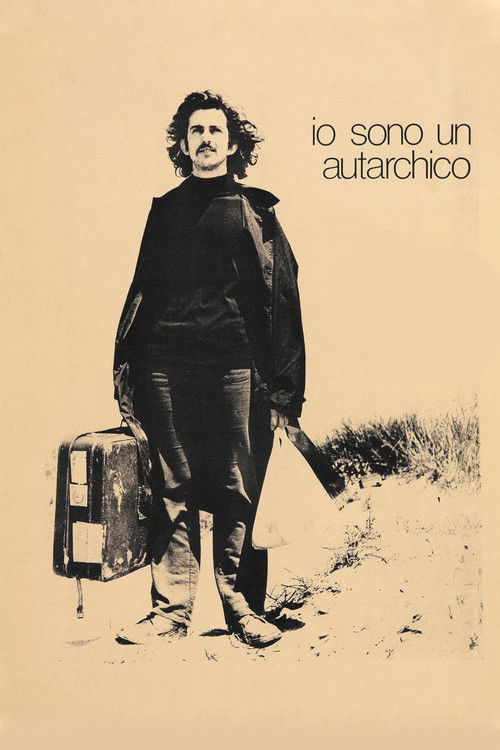
I Am Self-Sufficient
1976
No user ratings available yet
Representation score: 7.3 out of 10
Representation Score
Fair
1993
UnratedDirector
Nanni Moretti
Runtime
101 minutes
Average Rating
No ratings yetNew Showbiz Analysis
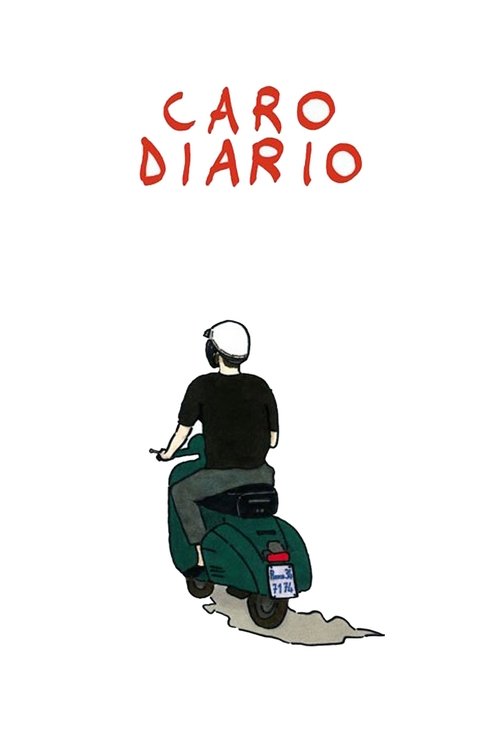
Dear Diary is a deeply personal, semi-autobiographical study that prioritizes philosophical subversion over broad demographic variety. It functions as a critique of the intellectual bourgeoisie, using postmodern skepticism to challenge Western institutional stability. While the film focuses on a homogeneous Italian middle class, it finds progressive value in its deconstruction of consumerism and social dogma. It prioritizes a concentrated look at individual neurosis and moral relativism over broad representation. Ultimately, the work is culturally subversive in its ideas even as it remains narrow in its casting, focusing on specific social strata rather than a diverse ensemble.
Category Breakdown
The film focuses on heterosexual relationships and existential concerns. It avoids negative stereotypes but does not intentionally challenge traditional relationship norms.
Female characters play key roles in the protagonist's psychological growth. However, the film does not actively challenge traditional gender hierarchies or portray masculinity as inherently flawed.
The setting depicts a homogeneous urban environment centered around Rome. There are no significant non-white characters, reflecting a limited sociological perspective.
Moretti effectively critiques modern Western institutions and bourgeois lifestyles. The narrative emphasizes subjective morality and skepticism towards established social norms.
The story explores an encounter with an unknown illness, serving as a vehicle for existential inquiry rather than falling into inspirational clichés.
Present on Screen
Limited or Absent
Official Synopsis
Nanni Moretti recounts in his diary three slice-of-life stories marked by a dry, ironic gaze: in the first, he rides his Vespa through a deserted, sun-drenched summertime Rome; in the second, he visits a reclusive friend on an island, who ropes him into an impromptu journey between islets in search of quiet; and in the last, he finds himself grappling with an unknown illness.
1976

1989
1990
1998

2000

2001

2009

1980
No reviews yet. Be the first to share your thoughts on this movie!
Use the rating form above to leave a star rating and optional review.