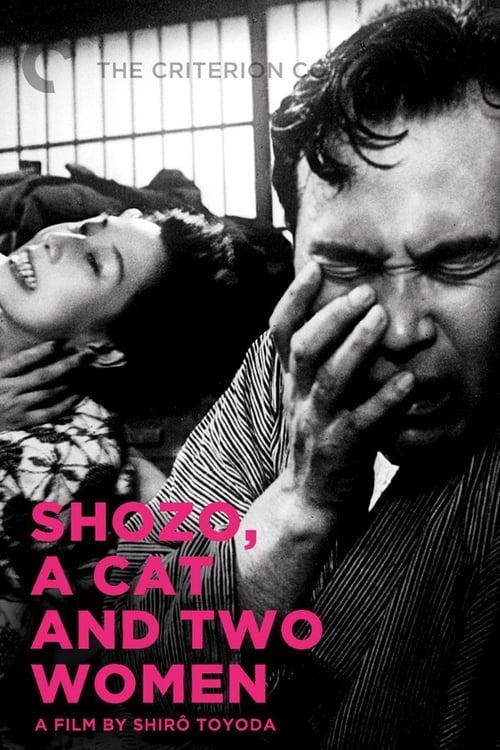
Shozo, a Cat and Two Women
1956
No user ratings available yet
Representation score: 3.7 out of 10
Representation Score
Fair
1961
Director
Kon Ichikawa
Runtime
103 minutes
Average Rating
No ratings yetNew Showbiz Analysis
Kon Ichikawa’s film serves as a satirical critique of patriarchal domesticity. By focusing on a collective of women navigating a shared relationship with one man, the film shifts the narrative focus from the male protagonist to the female ensemble. The work avoids the typical victim/perpetrator clichés of mid-century melodrama. Instead, it uses the women's internal competition for dominance to drive the narrative, presenting masculinity as a source of chaos rather than authority. While the film is culturally specific and lacks diverse racial representation, its exploration of female-driven social networks and the subversion of the 'stable husband' archetype marks it as a progressive study of gendered power.
Category Breakdown
The film centers on heterosexual relationships involving a producer and his mistresses. However, the women form a temporary bond that prioritizes solidarity among themselves over traditional family structures.
The movie challenges traditional power structures by positioning the male protagonist as the target of collective female action. The women have the organizational power to plan his downfall, reversing typical power dynamics.
As a 1961 Japanese production, the cast is culturally uniform. It provides a non-Western viewpoint on gender politics, challenging the Eurocentric norms of the time.
The story critiques traditional institutions by emphasizing individual desires over marital sanctity. It portrays a fractured family structure that deviates from conventional norms.
There is no indication of the portrayal of physical or neurodivergent disabilities in the film.
Present on Screen
Limited or Absent
Official Synopsis
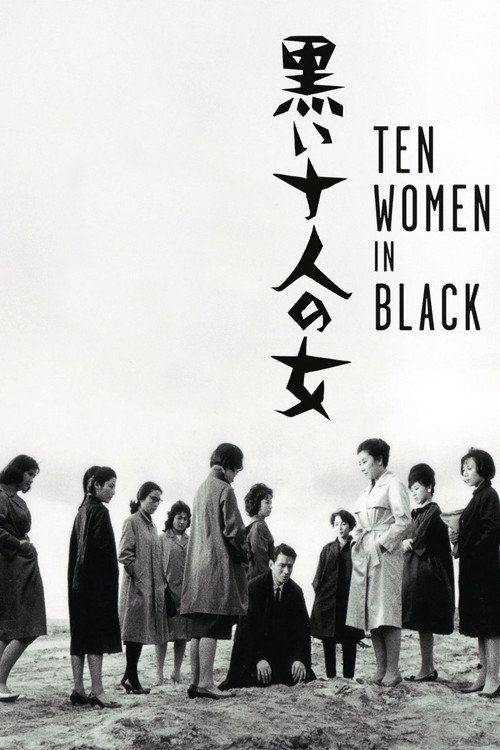
Kaze is a philandering TV producer. His wife and nine of his mistresses conspire to kill him. However each woman would rather keep him alive, as long as she was the only woman in his life.
1956
1968
1955
1955
1967
1961
1959
1988
No reviews yet. Be the first to share your thoughts on this movie!
Use the rating form above to leave a star rating and optional review.