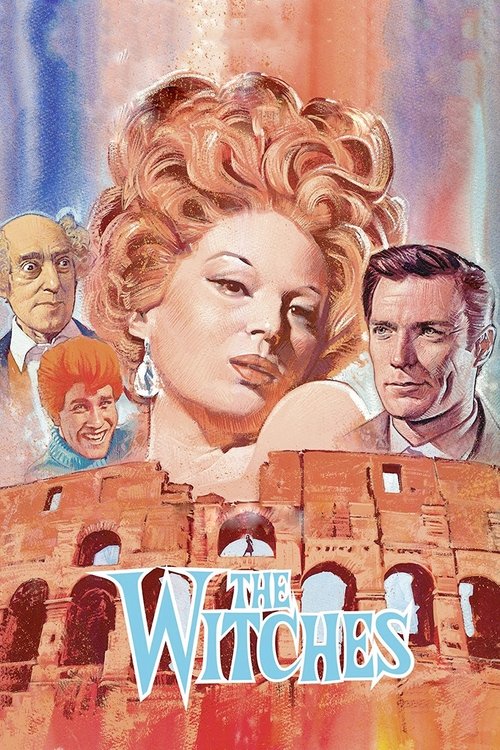
The Witches
1967
No user ratings available yet
Representation score: 7.3 out of 10
Representation Score
Fair
1964
Director
Franco Rossi, Luigi Comencini, Renato Castellani
Runtime
113 minutes
Average Rating
No ratings yetNew Showbiz Analysis
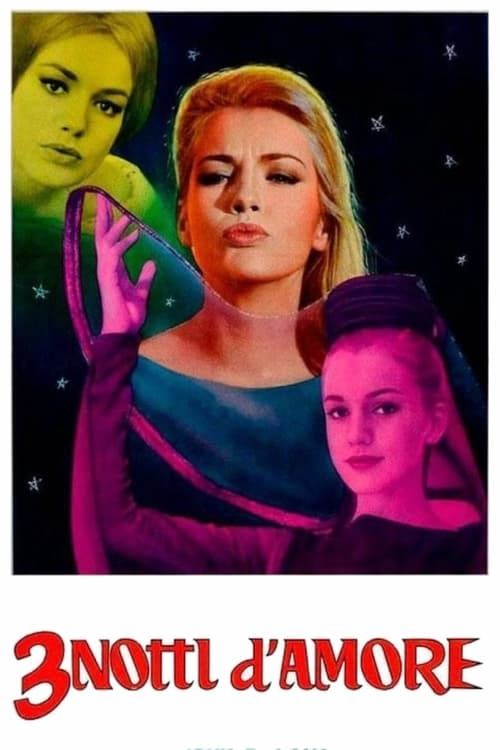
Three Nights of Love serves as a character study of women's ability to drive the story within mid-century Italian social structures. By centering women who navigate and challenge institutional frameworks, the film disrupts traditional expectations of submissive femininity. While the anthology structure allows for diverse explorations of intimacy, the film remains rooted in the era's social norms. It lacks overt modern identity politics but provides a progressive look at individual struggle against established hierarchies. The film's focus is primarily on the friction between personal desire and the rigid social or religious institutions of the time.
Category Breakdown
The film explores romantic longing through various social settings. However, the narratives adhere to traditional romantic frameworks of the 1960s without explicitly representing non-straight identities.
Catherine Spaak leads the film as women who feel out of place in their environments. This centers women's ability to drive the story against patriarchal or religious structures.
The cast reflects the era's cinematic standards and remains largely homogeneous. The film focuses more on Italian regionalism than on racial or ethnic blending.
Settings like monasteries and Sicilian villages highlight the tension between secular desire and religious tradition. The film examines the friction between personal autonomy and communal institutions.
There is no discernible evidence regarding the portrayal of physical or neurodivergent disabilities in the film.
Present on Screen
Limited or Absent
Official Synopsis
Omnibus film with individual segments directed by Renato Castellani, Luigi Comencini and Franco Rossi; all of them starring the radiant Catherine Spaak as "out of place" women longing for love, in a Sicillian village, a monastery, and a modern Italian urban setting, respectively.
1967
1963
1953

1964
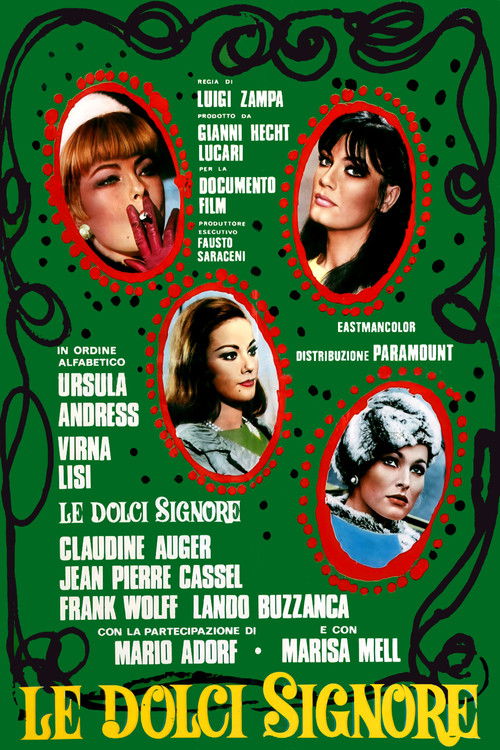
1967
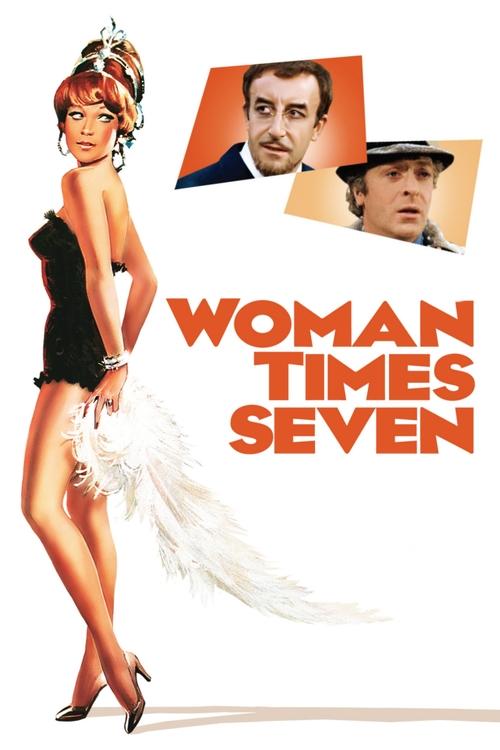
1967
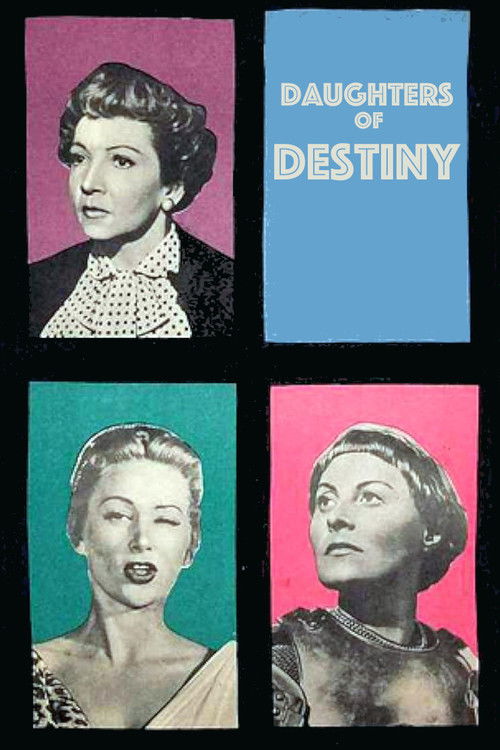
1954
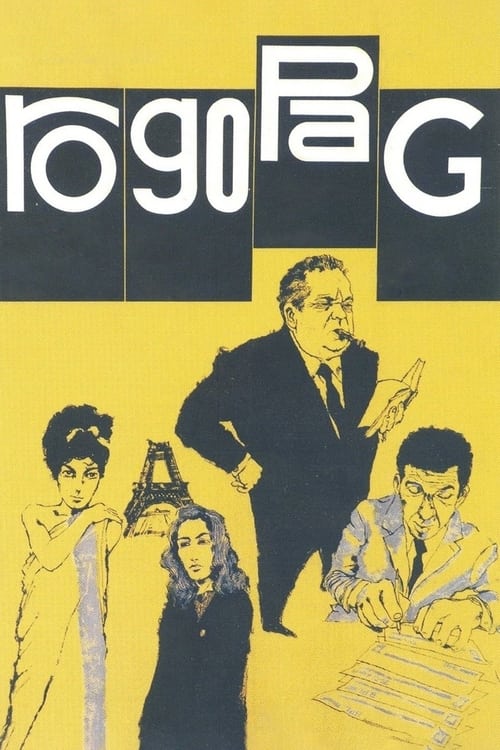
1963
No reviews yet. Be the first to share your thoughts on this movie!
Use the rating form above to leave a star rating and optional review.