
Red Reign: The Bloody Harvest of China's Prisoners
2013
No user ratings available yet
Diversity score: 6.4 out of 10
2000
RDirector
Jacques Pauw
Runtime
53 minutes
Average Rating
No ratings yetSynopsis
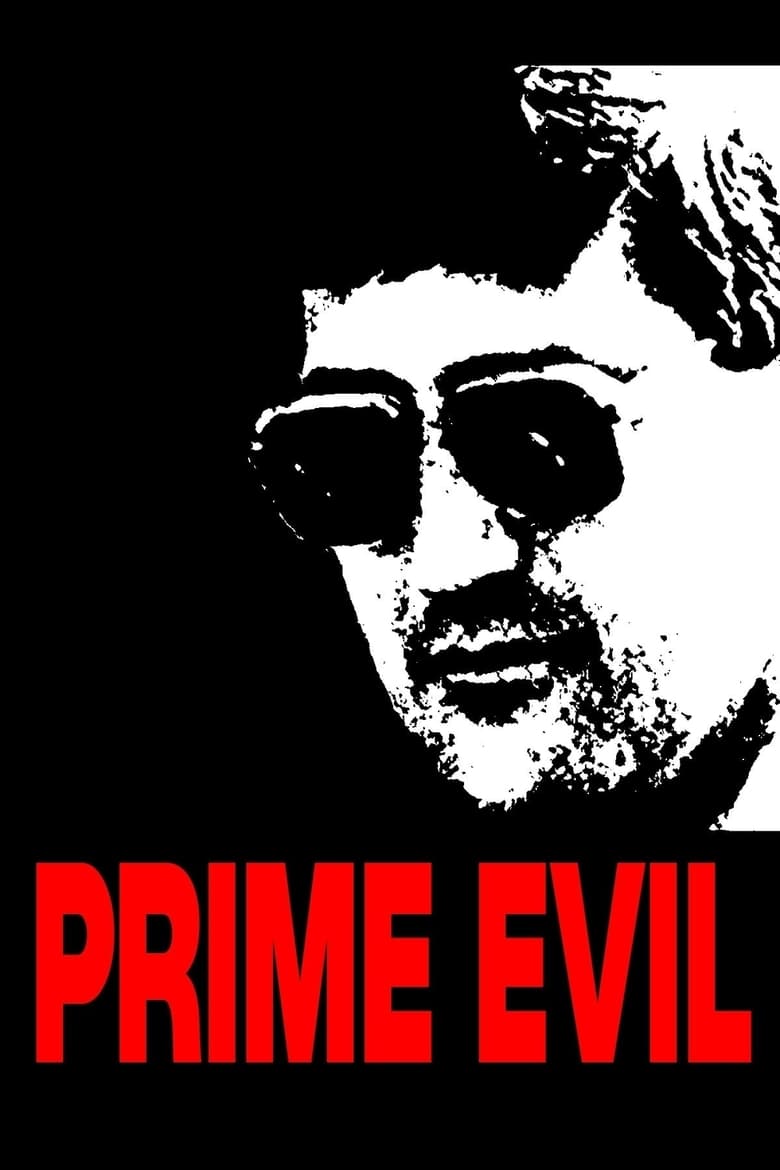
Eugene de Kock, nicknamed "Prime Evil," was South Africa's most notorious government assassin under the apartheid regime. A highly decorated and powerful man, he led police death squads against enemies of the state; his victims were mainly connected with the ANC. The film includes interviews with torture victims and with friends of de Kock.
Overall Score
Good
Category Breakdown
LGBTQ+ Representation
The film focuses on political and paramilitary structures rather than queer narratives. It lacks intentional LGBTQ+ representation within its specific historical scope.
Gender Representation
The narrative is dominated by the hyper-masculine, militarized environment of police death squads. While women appear as victims, the focus remains on patriarchal state hierarchies.
Racial & Ethnic Diversity
The documentary centers the experiences of Black South Africans and ANC members. It uses their testimonies to dismantle the legitimacy of white supremacy and racial hegemony.
Religious & Cultural Diversity
The film critiques Western-aligned state institutions as corrupt and oppressive. It prioritizes the human cost of state violence over nationalist or moralistic perspectives.
Disability Representation
The film provides visibility to the physical and psychological trauma experienced by torture victims. These portrayals focus on survivor agency rather than mere spectacle.
Strengths
Areas for Improvement
AI Analysis
Prime Evil serves as a powerful investigative tool that deconstructs the mechanics of apartheid-era state oppression. By centering the activities of Eugene de Kock and his death squads, the documentary successfully challenges traditional narratives of state authority and legitimacy. The film's greatest strength lies in its commitment to racial justice, providing significant agency to those marginalized by the apartheid regime. Through the testimonies of torture victims, it effectively dismantles the myth of state-sanctioned patriotism. However, the documentary is constrained by its subject matter, which is heavily centered on hyper-masculine, militarized power structures. This results in a lack of diverse gender archetypes and minimal representation of LGBTQ+ identities.
2013
2016
1971
2021

2015
2007

2013
1979
2009
1994

2011
2018
No reviews yet. Be the first to share your thoughts on this movie!
Use the rating form above to leave a star rating and optional review.