
The Prisoner or: How I Planned to Kill Tony Blair
2007
No user ratings available yet
Representation score: 6.1 out of 10
Representation Score
Good
2007
TV-MADirector
Rory Kennedy
Runtime
78 minutes
Average Rating
No ratings yetNew Showbiz Analysis
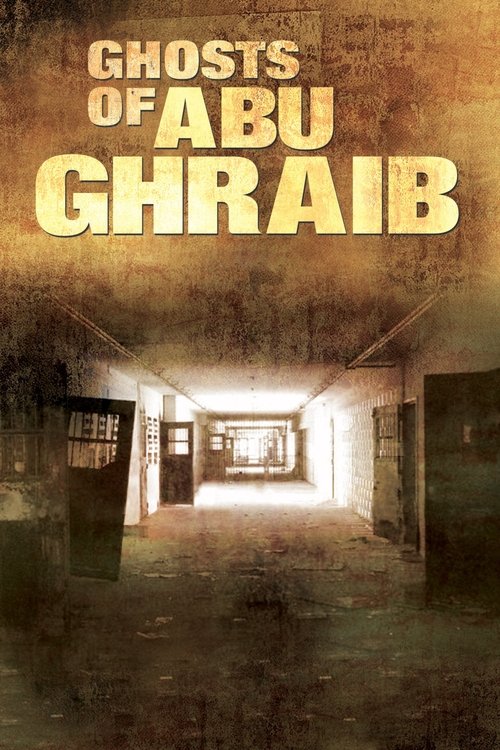
Ghosts of Abu Ghraib offers a sophisticated critique of institutional power by emphasizing post-colonial perspectives. It succeeds by prioritizing the voices of the occupied over a purely Western military viewpoint. The film's strength lies in its disruption of traditional heroic military narratives. By portraying the state apparatus as a source of ethical crisis, it provides a deep understanding of ethnic and racial identity. However, the documentary lacks specific LGBTQ+ or gender-challenging narratives. While it explores the breakdown of masculine authority, it does not explicitly challenge traditional gender hierarchies through diverse character arcs.
Category Breakdown
The film does not focus on LGBTQ+ identities or non-straight narratives. Instead, it centers on human rights violations experienced by detainees.
The movie highlights the dynamics between military leaders and prisoners. It questions the traditional authority of men by showing the ethical failures of military leadership.
The documentary gives significant weight to the experiences of Iraqi detainees. By focusing on their stories, it challenges the typical Western perspective on military operations.
The film critically examines the impact of military intervention from a post-colonial perspective. It questions the dominance of Western military actions by highlighting the violation of universal human rights.
The film portrays the severe psychological and physical damage caused by torture. It focuses on the broader societal issues surrounding such traumas rather than individual disability stories.
Present on Screen
Limited or Absent
Official Synopsis
An examination of the prisoner abuse scandal involving U.S. soldiers and detainees at Iraq's Abu Ghraib prison in the fall of 2003.
2007

2008
2008

2012

2005
2012
2003

2006
No reviews yet. Be the first to share your thoughts on this movie!
Use the rating form above to leave a star rating and optional review.