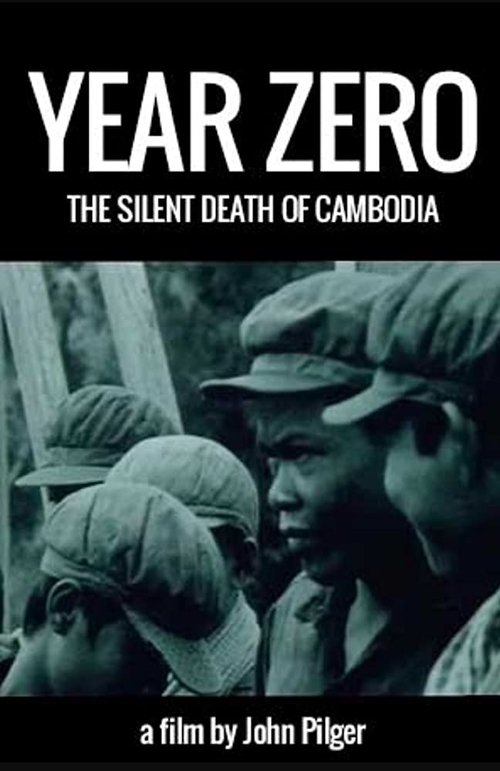
Year Zero: The Silent Death of Cambodia
1979
No user ratings available yet
Representation score: 8.8 out of 10
Representation Score
Excellent
1994
Director
David Munro
Runtime
60 minutes
Average Rating
No ratings yetNew Showbiz Analysis
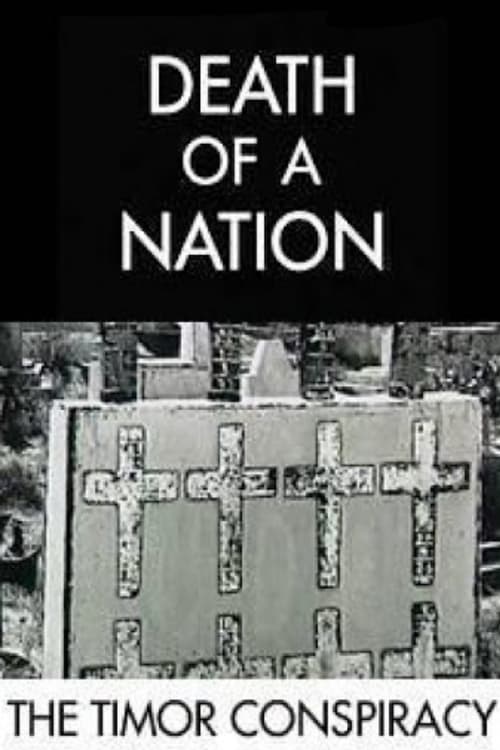
Death of a Nation: The Timor Conspiracy is a powerful investigative documentary that centers on the experiences of the East Timorese people. By focusing on their stories, the film successfully challenges Anglo-centric historical narratives and deconstructs Western institutional hegemony. The documentary effectively reframes Western political structures as complicit in violence, providing a necessary platform for non-Western voices within a geopolitical critique. However, the film's narrow focus on macro-political structures and state complicity means it lacks representation for LGBTQ+ identities or specific disability narratives.
Category Breakdown
The documentary does not include any characters with LGBTQ+ identities or themes focused on their experiences. Instead, it focuses on the political investigation of genocide and holds Western nations accountable.
The film critiques patriarchal and colonial power structures within Western nations. It shifts the focus toward the experiences of genocide victims rather than those of dominant state actors.
The documentary centers on the experiences of the East Timorese people, disrupting Anglo-centric history by prioritizing the voices of a colonized, non-Western population.
This work uses an anti-colonial framework to critique Western institutions. It deconstructs the 'civilizing mission' by framing state diplomacy through the lens of systemic oppression.
There is no explicit focus on disability. However, the documentation of genocide implicitly addresses the physical trauma inflicted by systemic violence.
Present on Screen
Limited or Absent
Official Synopsis
The sensational expose of the complicity of Britain, USA and Australia in the continuing genocide in East Timor.
1979
2020
2004
2012
1994

2012
2022
2014
No reviews yet. Be the first to share your thoughts on this movie!
Use the rating form above to leave a star rating and optional review.