Attica
1974
No user ratings available yet
Representation score: 6.0 out of 10
Representation Score
Good
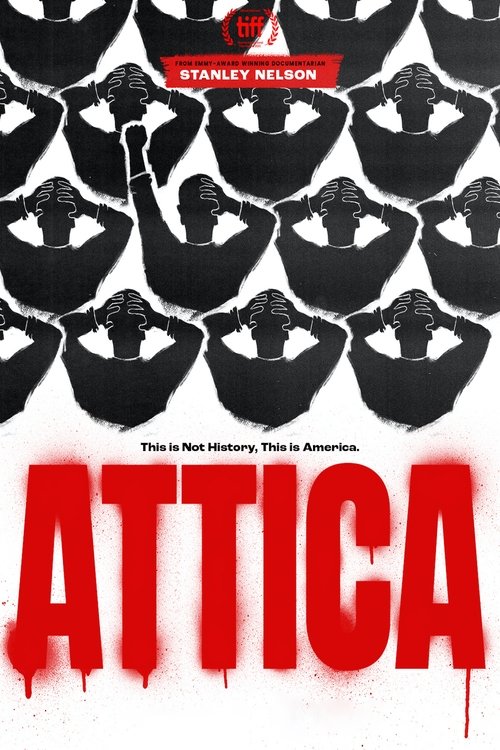
2021
TV-MADirector
Traci A. Curry, Stanley Nelson
Runtime
117 minutes
Average Rating
No ratings yetNew Showbiz Analysis
Attica is a powerful documentary that disrupts state-centric historical narratives by centering the voices of the incarcerated and activists. Its greatest strength is the intentional focus on racial justice and the role of people of color within the 1971 uprising. The film succeeds in its systemic critique of Western legal and penal institutions. By utilizing personal testimony and archival evidence, it shifts the perspective from institutional order to the lived experiences of those within systemic margins. However, the film's scope is inherently limited by its subject matter. The narrative is heavily skewed toward male experiences, resulting in a lack of women playing a significant role in driving the story.
Category Breakdown
The film focuses on the racial and political dimensions of the 1971 uprising. It does not center LGBTQ+ identities as a primary narrative driver, though it avoids any derogatory portrayals.
The narrative centers on the male incarcerated population and male activists. While it avoids traditional domestic hierarchies, it does not actively give women a leading role in driving the story.
The documentary excels by centering Black and Latino perspectives through archival footage and interviews. It frames the uprising through the lens of systemic racial oppression and the role of people of color.
The film provides a profound critique of the American carceral system and state-sanctioned violence. It prioritizes the lived experiences of those harmed by broader social forces over institutional authority.
The film touches upon the physical and psychological tolls of incarceration. It avoids inspiration porn by documenting the harsh realities of the prison environment.
Present on Screen
Limited or Absent
Official Synopsis
Follows the largest prison uprising in US history, conducting dozens of new interviews with inmates, journalists, and other witnesses.
1974
2012

2021

2020

1998

2022

2025
2015
No reviews yet. Be the first to share your thoughts on this movie!
Use the rating form above to leave a star rating and optional review.