
Enemies of the People
2009
No user ratings available yet
Representation score: 6.4 out of 10
Representation Score
Excellent
2016
Director
Mahamat-Saleh Haroun
Runtime
82 minutes
Average Rating
No ratings yetNew Showbiz Analysis
Mahamat-Saleh Haroun’s documentary is a powerful exercise in restorative media. By centering the legal struggle of Chadian and Senegalese victims, the film disrupts traditional Western-centric views on African history. It allows characters of color to drive a global legal narrative. The film excels in racial and cultural representation, providing a platform for voices often overlooked in historical accounts. It moves away from the 'strongman' archetype to highlight the resilience of the oppressed. However, the film’s scope is primarily political and historical. It does not explicitly address specific identity issues such as LGBTQ+ narratives or neurodivergence, which limits its breadth in those specific categories.
Category Breakdown
The documentary focuses on political justice and historical trauma. There is no explicit mention of non-straight or non-cisgender identities or stories involving LGBTQ+ individuals.
The film centers on survivors who have faced systemic violence, including women. It elevates the role of those typically excluded by patriarchal dictatorships.
This film achieves exceptional representation by focusing on a non-Western, African-led narrative. It provides a platform for Chadian and Senegalese voices, breaking the usual Western-centric perspective.
The narrative critiques authoritarianism and the corrupting influence of absolute power. It prioritizes collective memory and the pursuit of justice over state-centric myths.
The film highlights survivors who bear physical and psychological scars. It uses these experiences to anchor the narrative’s emotional and political impact.
Present on Screen
Limited or Absent
Official Synopsis
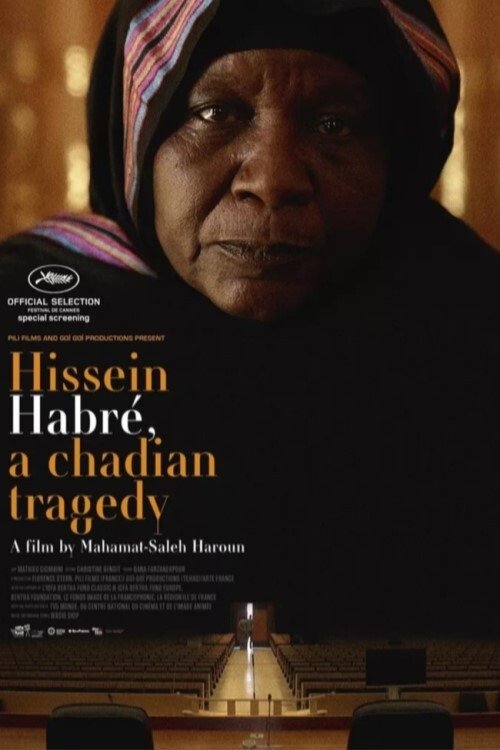
In 2013, former Chadian dictator Hissein Habré’s arrest in Senegal marked the end of a long combat for the survivors of his regime. Accompanied by the Chairman of the Association of the Victims of the Hissein Habré Regime, Mahamat Saleh Haroun goes to meet those who survived this tragedy and who still bear the scars of the horror in their flesh and in their souls. Through their courage and determination, the victims accomplish an unprecedented feat in the history of Africa: that of bringing a Head of State to trial.
2009
2012
2001
2011
2019
2014
2008

2013
No reviews yet. Be the first to share your thoughts on this movie!
Use the rating form above to leave a star rating and optional review.