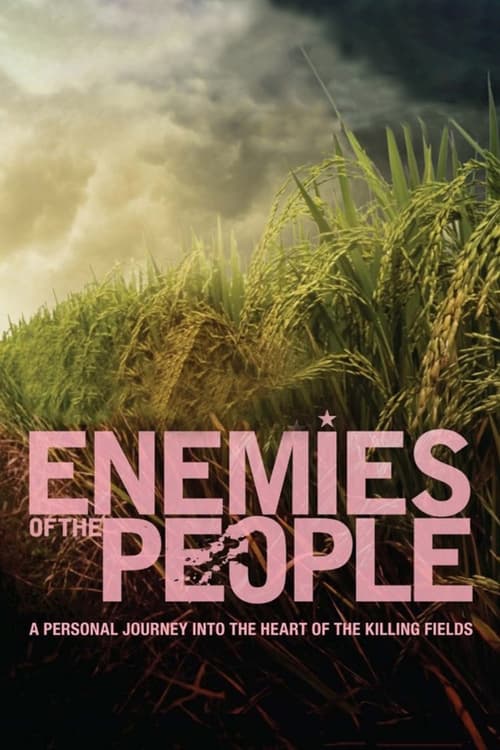
Enemies of the People
2009
No user ratings available yet
Representation score: 6.4 out of 10

Representation Score
Good
2011
TV-PGDirector
Adrian Maben
Runtime
83 minutes
Average Rating
No ratings yetNew Showbiz Analysis
The documentary serves as a rigorous historical interrogation of systemic criminality. It avoids traditional 'great man' clichés by focusing on the psychological decay of an individual within a corrupt political structure. While the film lacks contemporary identity-based storytelling, it achieves progressive value by centering non-Western historical trauma. It moves away from Anglo-centric perspectives to prioritize the voices and realities of the Cambodian people. However, the film's focus on a male-dominated hierarchy and the absence of specific LGBTQ+ or disability-focused ability to act limits its diversity breadth. It remains a specialized study of historical atrocity rather than a broad social survey.
Category Breakdown
The film focuses on the Khmer Rouge atrocities and judicial proceedings. It does not include specific LGBTQ+ representation within the main storyline. However, there is no derogatory language, and the political movement of the time did not prioritize LGBTQ+ identities.
The narrative centers on Kaing Guek Eav and the male-dominated Khmer Rouge hierarchy. It offers limited subversion of gender roles and does not provide significant women's ability to drive the story within the Tuol Sleng context.
The documentary provides a deep look at Cambodian history and victims. By centering Southeast Asian voices and testimonies, it disrupts Western-centric lenses and prioritizes the ability to act of local survivors.
The film deconstructs institutional power and extremist ideologies through a secular, investigative lens. It focuses on historical accountability and the search for truth rather than nationalistic or religious glorification.
Depictions of physical and psychological trauma serve as evidence of state violence. While historically necessary, these portrayals illustrate the scale of crimes rather than providing empowered ability to act to individuals with disabilities.
Present on Screen
Limited or Absent
Official Synopsis
On 28 February 2009 Kaing Guek Eav, alias Duch, appeared in the ECCC courtroom and made a two-hour speech where he asked for forgiveness for the appalling torture and execution of at least 13,000 prisoners at Tuol Sleng and probably more in the security camps of M-13 and M-99. Until this date, with the exception of a handful of judges, lawyers and a priest, he had not been seen or heard of for the last thirty years. How did a man, known to be kind and generous to fellow students, possibly transform himself into Comrade Duch, the Khmer Rouge's infamous executioner? This documentary revisits and searches for clues. (Storyville)
2009
1998
2012
1985
1996
2012
2003
2014
No reviews yet. Be the first to share your thoughts on this movie!
Use the rating form above to leave a star rating and optional review.