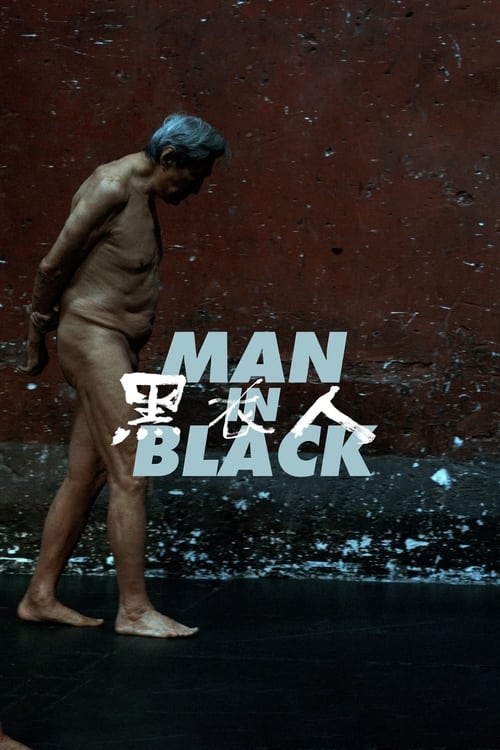
Man in Black
2023
No user ratings available yet
Representation score: 8.7 out of 10
Representation Score
Good
2018
Director
Wang Bing
Runtime
497 minutes
Average Rating
No ratings yetNew Showbiz Analysis
Wang Bing’s documentary is a rigorous study of systemic neglect and human endurance. By centering the survivors of the 1957 Anti-Rightist campaign, the film provides a profound look at the intersection of political history and individual suffering. The work excels in its commitment to localized, authentic representation. It avoids the Western-centric gaze by focusing on the specific geographic and historical context of Gansu Province, granting ability to act to its non-professional subjects. While the film lacks LGBTQ+ representation, it offers deep insight into the physical and mental tolls of trauma and poverty. It functions as a powerful critique of institutional power and the consequences of rapid societal restructuring.
Category Breakdown
The film focuses solely on the socio-historical realities of political reeducation camp survivors. There are no LGBTQ+ narratives or non-cisgender identities present among the documented subjects.
The documentary captures the struggles of both men and women facing poverty and aging. It presents gendered experiences through a lens of survival and social exhaustion, avoiding romanticized clichés.
The film offers authentic, localized representation by focusing on Chinese citizens in the Gobi Desert. It avoids a Western-centric gaze by centering non-Anglo-Saxon realities and underrepresented populations.
The narrative provides a stark critique of state-driven social engineering and systemic violence. It prioritizes the voices of the disenfranchised over institutional narratives to explore the human cost of political purges.
Physical and mental health struggles resulting from extreme poverty and age are given significant visibility. These elements are treated as integral to the subjects' lived realities rather than objects of pity.
Present on Screen
Limited or Absent
Official Synopsis
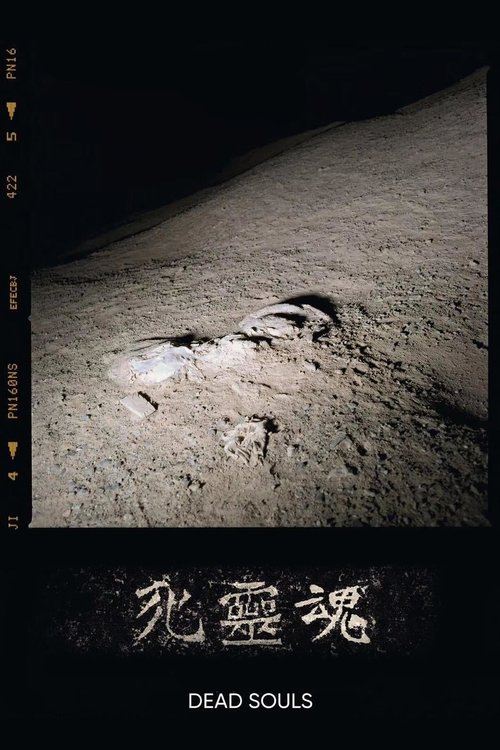
In Gansu Province, northwest China, lie the remains of countless prisoners abandoned in the Gobi Desert sixty years ago. Designated as ultra-rightists in the Communist Party’s Anti-Rightist campaign of 1957, they starved to death in the reeducation camps. The film invites us to meet the survivors of the camps to find out firsthand who these persons were, the hardships they were forced to endure and what became their destiny.
2023

2010

2007
2015
2008
2020

2010
2019
No reviews yet. Be the first to share your thoughts on this movie!
Use the rating form above to leave a star rating and optional review.