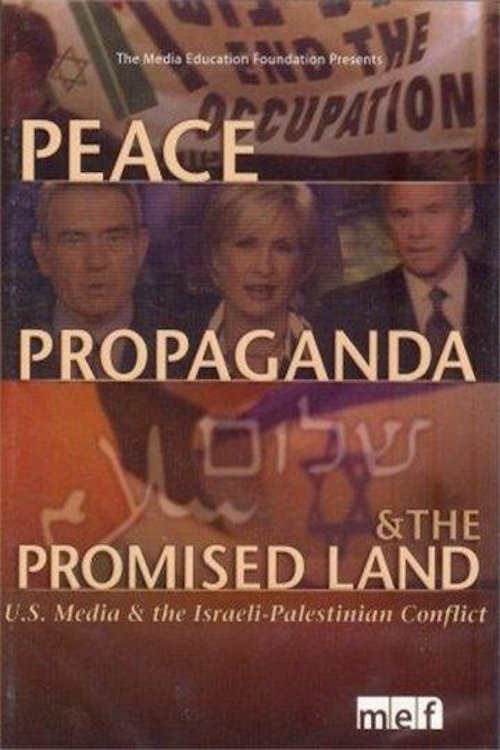
Peace, Propaganda & the Promised Land
2005
No user ratings available yet
Diversity score: 6.1 out of 10
2015
Director
Amos Gitai
Runtime
153 minutes
Average Rating
No ratings yetSynopsis
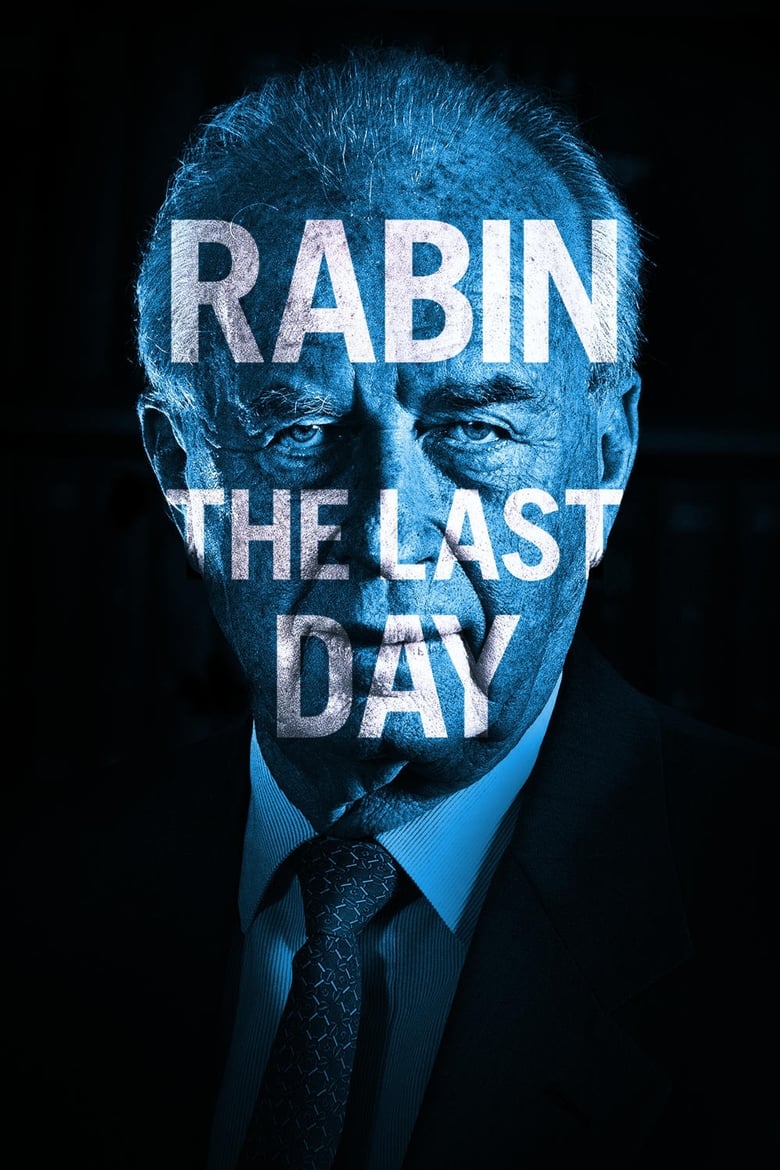
Itzhak Rabin's murder ended all efforts of peace, and with him the whole left wing of Israel died. The movie shows the last of his days as prime minister, and what led to his murder.
Overall Score
Fair
Category Breakdown
LGBTQ+ Representation
The documentary lacks explicit depictions of queer identity or same-sex intimacy. The narrative focus remains centered on geopolitical and socio-religious tensions surrounding the assassination.
Gender Representation
Women are presented as integral participants in the social tapestry of Jerusalem. The film avoids purely patriarchal framing by incorporating female experiences within domestic and political spheres.
Racial & Ethnic Diversity
The film depicts a complex, multi-ethnic reality by showcasing interconnected Jewish and Arab identities. This approach disrupts monolithic national narratives through a multifaceted urban tapestry.
Religious & Cultural Diversity
The film critiques religious and state institutions rather than treating them with reverence. It explores the fractured, subjective nature of political truth and systemic failure.
Disability Representation
There is no significant or intentional focus on visible or invisible disabilities. The film prioritizes the collective psychological impact of the assassination over specific disability explorations.
Strengths
Areas for Improvement
AI Analysis
Amos Gitai’s documentary succeeds as a sophisticated inquiry into national identity, using a fragmented narrative to challenge state-sanctioned historical tropes. It excels at portraying the intersectional reality of Jerusalem, providing agency to diverse socio-religious groups often marginalized in traditional accounts. However, the film lacks depth in specific representation categories. There is a notable absence of LGBTQ+ narratives and intentional focus on disability, as the lens remains fixed on the political and psychological fallout of Rabin's death. Ultimately, the work provides high progressive value by refusing to present a singular truth, instead highlighting the systemic volatility and complex identities within the region.
2005
2003
2013
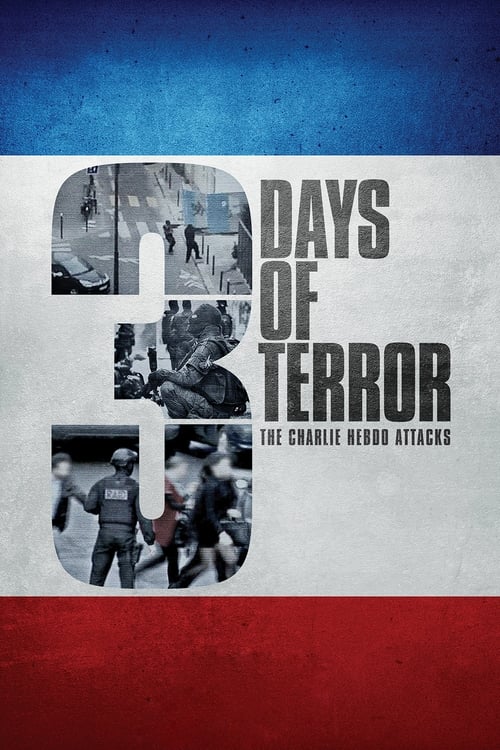
2016
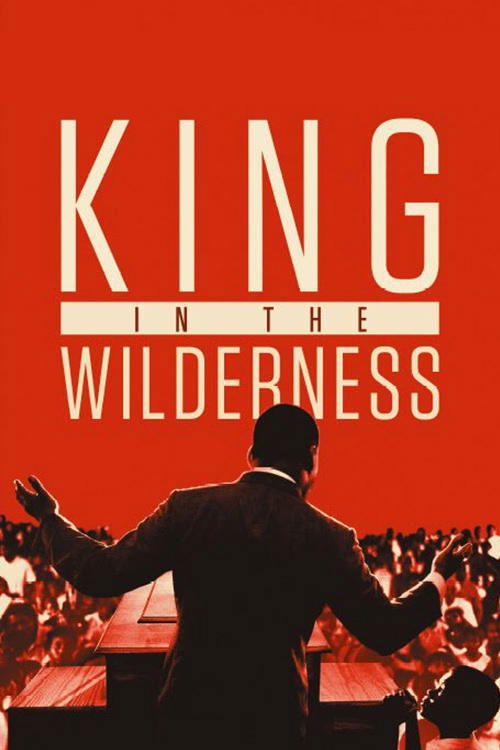
2018
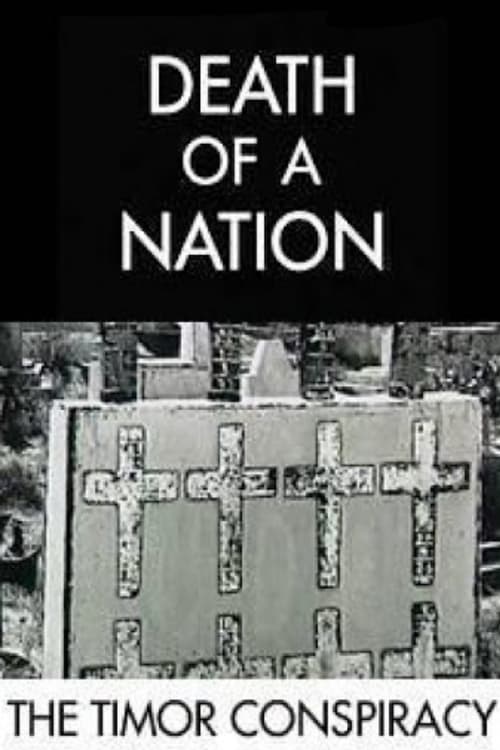
1994
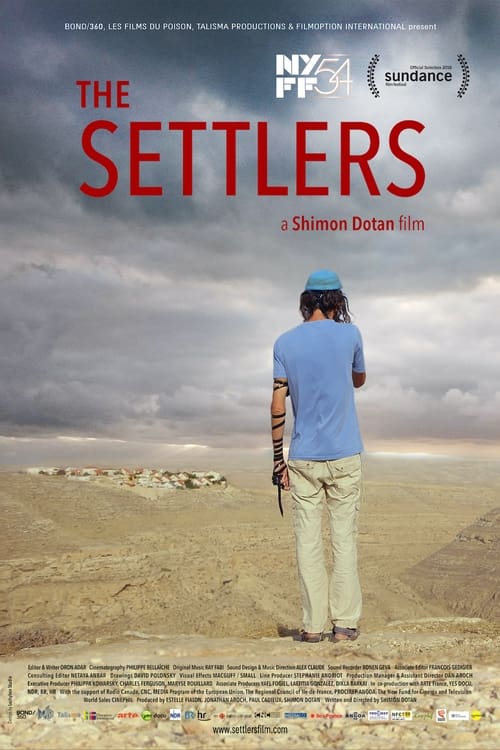
2016
2004
2012
1979

2014
2017
No reviews yet. Be the first to share your thoughts on this movie!
Use the rating form above to leave a star rating and optional review.